

REVIEW · ITALY GHOST TOURS
Catania Ghost Tour: Legends and Tastings Under Mount Etna
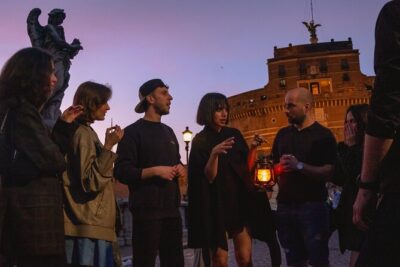
Spooky stories taste better with Sicilian wine. This 90-minute Catania walking tour mixes ghost tales, true crime, baroque streets, and two local tastings, giving you a lively way to see the city after dark. I like the warm arancino with Etna wine and the final cassatina with passito, since the food is part of the story rather than a rushed extra. I also like that the route links Catania’s streets to Mount Etna, Saint Agatha, witches, and old superstitions.
The main consideration is tone: this is more atmospheric and historical than frightening. If you want haunted-house theatrics, you may find it too gentle. Meeting your guide beside the Elephant Fountain can also be tricky in a crowded Piazza Duomo, so arrive early and look for the guide carefully. Dana, Dora, and Caterina have all earned especially warm praise for their friendly, lively approach.
Key points to know before booking
- Two Sicilian tastings: Enjoy a freshly made arancino with local wine, then cassatina with sweet passito.
- A story-led route: Walk from Piazza Duomo through Piazza Mazzini, Via dei Crociferi, Via Etnea, and Teatro Massimo Bellini.
- Folklore with a local setting: Hear tales of a medieval magician, the Headless Horse, witches’ trails, and Saint Agatha.
- Mount Etna shapes the evening: The volcano appears as both a real presence and a source of myth.
- A short, easy-to-plan format: The tour lasts 1.5 hours and costs $58 per person.
- English-speaking guidance: The live tour is offered in English, with free cancellation up to 24 hours before departure.
Why Catania works so well for a ghost tour
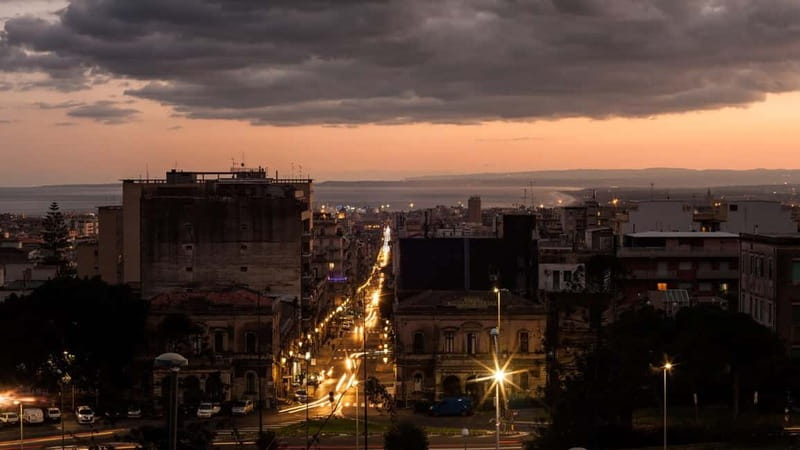
Catania has the right ingredients for an evening of legends. Its dark lava-stone streets, grand baroque buildings, old churches, and active volcano already give the city a dramatic setting. You do not need actors or elaborate effects when Mount Etna can appear beyond the rooftops and local stories still cling to the streets.
I like that this tour does not treat the supernatural as a separate show. The legends are tied to actual squares, lanes, religious traditions, and city landmarks. You hear about a magician beneath the streets near the Elephant Fountain, then connect food and wine to the same urban setting. The result is less a staged ghost walk and more an evening introduction to Catania’s folklore.
The current score is 5 out of 5 from 13 ratings, and the strongest praise centers on the guides, food, wine, and storytelling. One important point comes through clearly: the tour is not too spooky. That makes it a good pick for visitors who enjoy mystery and local tales but do not want graphic horror or jump scares.
More Ghost Story Tours in Italy
- Venice Ghost Stories, Legends and Anecdotes Tour
★ 4.0 · 846 reviews - Venice: Mysterious Tales of Ghosts and Murders
★ 4.9 · 636 reviews - Rome: Small Group Rome’s Dark Side – Ghosts & Legends Tour
★ 4.9 · 343 reviews
Starting beside Catania’s Elephant Fountain
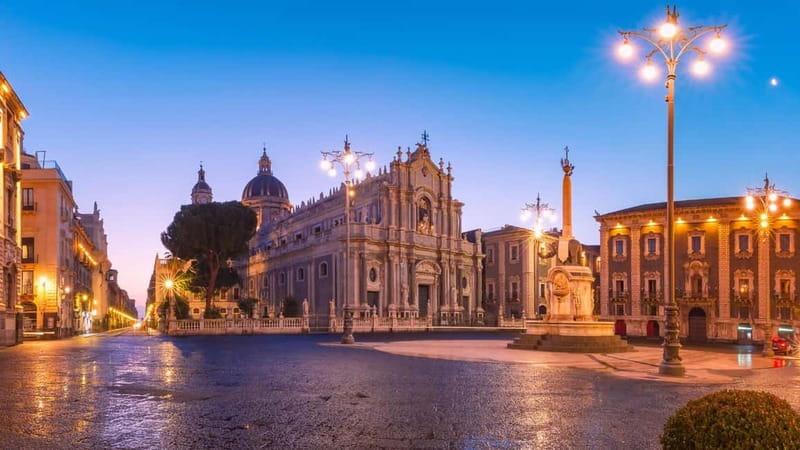
The tour begins at Piazza del Duomo, beside the famous Fontana dell’Elefante. This is a practical meeting place because the square is one of Catania’s central landmarks, but it can be busy and confusing at evening hours. One person had difficulty finding the guide in the crowded piazza, so I suggest arriving with time to spare and checking the exact meeting instructions before you go.
The Elephant Fountain gives the guide an immediate visual subject. The black lava-stone elephant carrying an obelisk is one of Catania’s best-known symbols, and the tour uses it as a doorway into the city’s more mysterious side. During the 10-minute stop, you hear the story of a medieval magician said to have made a pact with the devil beneath the city’s lava streets.
This opening works because it places fantasy under your feet. You are not simply hearing a random ghost tale. You are looking at a civic landmark while the guide explains how Catania’s volcanic stone and old beliefs became part of its folklore.
The first stop is brief, so do not expect a long architectural lecture about the square. The focus is the legend and the mood. If you want a detailed study of the cathedral, palace fronts, and every feature of Piazza Duomo, you will need separate sightseeing time.
Arancino and Etna wine in Piazza Mazzini
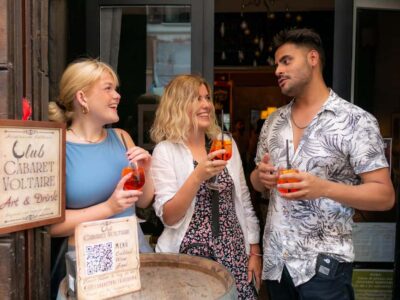
From Piazza Duomo, the route continues to Giuseppe Mazzini Square for the first tasting. You receive a freshly made arancino, the familiar Sicilian rice snack with a crisp outside, along with a glass of local wine from the Etna area.
This is one of the tour’s best choices. An arancino is filling enough to feel like real food, not a token bite, and it gives you a direct taste of everyday Sicilian cooking. Pairing it with wine also slows the pace. Instead of rushing from one story to the next, you have about 15 minutes to eat, listen, and take in the square.
The guide explains the food and wine, which adds value for anyone who wants more than a tasting without context. Laura specifically praised Dora for explaining the different foods and wines clearly. That detail matters because local dishes can vary in shape, filling, and name, and wine from Etna has its own place in Sicilian food culture.
You should tell the operator about allergies or dietary restrictions in advance. One family with gluten and lactose restrictions received especially thoughtful adjustments, allowing everyone to take part. That is encouraging, but advance notice remains important. Do not wait until the food is in front of you.
The tasting also helps define the tone of the tour. This is a ghost walk, but it is not built around fear. You may be discussing pacts with the devil while holding a hot arancino and sipping wine. In Catania, the contrast feels fitting.
Via dei Crociferi and the Headless Horse
After the first food stop, the tour moves into Catania’s baroque center. Via dei Crociferi is one of the city’s most atmospheric streets, and the evening setting gives the guide room to use its quiet lanes and old façades as part of the story.
Here you hear the tale of the Headless Horse, an 18th-century specter said to haunt the cobbled street. The story connects the ghost to forbidden affairs among noble families and suggests that the figure protected secrets that powerful people wanted kept private.
This is the point where the tour’s history and folklore blend most clearly. The tale is not presented as a modern horror stunt. It reflects older concerns about family honor, hidden relationships, social control, and the things people once explained through spirits. I find that more interesting than a simple claim that a ghost appears at midnight.
The itinerary allows about 10 minutes for a guided portion in this part of the route. That means you will hear the central story without spending a large part of the evening standing in one place. You may want to return to Via dei Crociferi in daylight, too. The route gives you a quick introduction, while a separate visit would let you study the baroque churches and buildings at your own pace.
The drawback is that the exact level of fright depends heavily on your guide’s style. The stories are eerie, but the overall tour is described as entertaining rather than terrifying. Caterina, Dana, and Dora each received praise for warmth, energy, and clear explanations, so expect personality and conversation alongside the spooky material.
Same streets, an entirely different kind of scare:
- Rome: Paranormal Night Walking Tour & Secret Backstreets
★ 4.9 · 1,921 reviews - Haunted Rome Ghost Tour – The Original
★ 4.5 · 668 reviews - Venice: Ghost Tour to Rialto and San Marco Square
★ 3.8 · 659 reviews - Rome: Haunted City Night Walking Tour
★ 4.9 · 616 reviews
Via Etnea, Mount Etna, and old beliefs
The walk continues along Via Etnea, one of Catania’s main routes. Here, the guide turns attention toward Mount Etna, whose presence shapes both the city’s daily life and its stories.
Etna is not just background scenery in this tour. The volcano becomes a character in the evening. Its eruptions, smoke, heat, and power have encouraged legends for centuries, and the guide connects those beliefs to ancient gods, witches’ trails, and Sicilian superstitions.
I like this part because it gives the ghost stories a wider frame. Catania’s legends are not only about haunted buildings or dead people. They also grow from the force of the natural world. When a volcano dominates the horizon, stories about gods, witches, fire, and punishment feel less strange.
The stop lasts about 15 minutes, so the discussion should remain focused. You will not receive a full geological lesson about Etna, and the tour does not include a trip up the volcano. Instead, you get a cultural explanation of how the mountain has influenced the imagination of people living beneath it.
The route is particularly useful early in your stay. It gives you references you can notice later when you visit other parts of Sicily. You may hear Etna discussed in food, wine, religion, and local identity, and this tour provides a compact introduction to those connections.
Cassatina, passito, and Saint Agatha
The evening ends near Teatro Massimo Bellini with the second tasting. This time, you receive a cassatina, a delicate Sicilian pastry, paired with a glass of sweet passito wine.
The final tasting changes the mood. The arancino is savory and substantial, while cassatina and passito create a sweeter close. The food also links to the story of Saint Agatha, Catania’s patron saint, whose martyrdom remains part of the city’s religious identity.
This is a thoughtful ending because Saint Agatha’s story gives the tour a different kind of darkness. The focus moves from ghosts and secret affairs to faith, suffering, memory, and devotion. Her story still echoes through Catania’s streets, and the guide presents it while you sit with a traditional sweet and wine.
Teatro Massimo Bellini is a fitting finish. The elegant opera house gives the final stop a formal setting after the narrow streets and ghost tales earlier in the route. You should not expect an inside visit to the theater, since the experience finishes there rather than describing a performance or interior tour.
The cassatina is delicate, and the passito is sweet, so this stop may appeal most to people who enjoy dessert wines and traditional pastries. If you prefer dry wine or savory food, the first tasting will probably be more to your taste. Together, the two stops offer a useful contrast.
Is $58 a fair price?
At $58 per person, the tour is not the cheapest way to walk around Catania. You are paying for a live English-speaking guide, a planned route, two food tastings, and two wine pairings. The value depends on how much those extras matter to you.
I consider the price reasonable if you want a compact evening activity that combines sightseeing, local food, and storytelling. Buying an arancino, dessert, and two glasses of wine separately would still cost money, and you would not receive the route’s legends or explanations. The tour also saves you from choosing where to stop in an unfamiliar city.
The value is weaker if your main goal is a serious history tour, a long meal, or a frightening theatrical experience. The 1.5-hour length keeps the outing easy to fit into a busy Catania schedule, but it also limits how much detail the guide can give at each location.
For many people, the best use of the tour is early in a Catania visit. You get your bearings, learn several local stories, and sample foods you can seek out again. It is a pleasant first evening rather than a complete guide to the city.
Guides, meeting details, and practical tips
The guide can make or break a story-led walk. The strongest feedback names Caterina, Dora, and Dana. Caterina was praised for handling dietary needs with care, Dora for explaining food and wine, and Dana for her friendly, enthusiastic approach to the city and its lesser-known squares.
Because the meeting point is beside the Elephant Fountain, identify the fountain before the tour begins. Piazza Duomo can be crowded, and one person found the guide difficult to spot. A sign or clearer identification would help, so plan to contact the operator if you cannot find the group promptly.
The tour is offered in English only. That makes the guide’s delivery especially important, and the available feedback suggests the storytelling is a major strength. Still, you should be comfortable following spoken English for legends, food explanations, and historical references.
The walk finishes at Teatro Massimo Bellini, not back at the starting point. That is useful if you plan to continue with dinner or an evening stroll near the theater. Since the tour includes wine, think ahead about what you want to do afterward and avoid planning a demanding activity immediately after.
You can cancel up to 24 hours before the start for a full refund, and the reserve-now, pay-later option gives you some flexibility while planning a Sicily trip. Starting times vary, so check availability for the date you want.
Who will enjoy this Catania evening?
I would recommend this tour to you if you like local legends but also want food and conversation. It suits couples, friends, and families with older children who can follow the stories and enjoy an evening walk. The mild spooky tone makes it more broadly suitable than a horror-focused ghost tour.
It is also a good choice for food-minded visitors. The arancino and cassatina are not decorative samples. They give you two recognizable Sicilian tastes, each paired with wine and explained along the way.
You may want to skip it if you need a fully serious historical tour, dislike sweet wine, or want a high-adrenaline scare. The stories are the main attraction, but the tone stays social and entertaining.
Should you book the Catania Ghost Tour?
Book it if you want a short evening introduction to Catania that combines folklore, baroque streets, and Sicilian food. The strongest reasons are the thoughtful route, the two tastings, and guides such as Caterina, Dora, and Dana who bring warmth to the stories.
Before booking, confirm that the mild-spooky style suits you, give advance notice of dietary needs, and arrange a clear meeting plan at the Elephant Fountain. At $58, it offers fair value for a guided walk with food and wine, especially early in your stay. It will not replace a full city tour or a trip to Mount Etna, but it can make Catania’s streets feel more personal, mysterious, and delicious.
FAQ
Where does the Catania Ghost Tour begin?
The tour begins at Piazza del Duomo, beside the Fontana dell’Elefante, also called the Elephant Fountain.
Where does the tour finish?
The tour finishes at Teatro Massimo Bellini.
How long does the tour last?
The walking tour lasts 1.5 hours, or 90 minutes.
What food and drinks are included?
You receive two food tastings paired with local wine. The first is a freshly made arancino with a local Etna wine, and the second is a cassatina with sweet passito wine.
Is the tour offered in English?
Yes. The live tour guide speaks English, and English is the listed tour language.
Does the tour include stories about Mount Etna?
Yes. The guide discusses Mount Etna’s mythic power, ancient gods, witches’ trails, and Sicilian superstitions.
Should I mention allergies or dietary restrictions?
Yes. You should notify the operator in advance about allergies or dietary restrictions. Advance notice is important for arranging suitable food options.
Can I cancel for a full refund?
Yes. You can cancel up to 24 hours before the tour for a full refund.
Newly added around Italy
- Your evening in Venice – Legends&Ghosts&Aperitif★ 4.7 · 79 reviews
- Venice Ghost Tour: Haunted Palaces & Secret Canals★ 4.8 · 3 reviews
- Venice: Legends, Anecdotes and Ghost Stories Walking Tour★ 4.1 · 137 reviews
- Venice: Ghosts & Murders – Mysterious Tales of San Marco Area★ 4.5 · 80 reviews
- Venice: Ghosts and Legends Evening Private Walking Tour★ 4.5 · 6 reviews
- Venice Ghost & Legends Walking City Tour★ 3.5 · 83 reviews
- Venice Ghostly Legends Explore on Foot★ 5.0 · 2 reviews
- Ghosts of Venice – Discovering the Unknown★ 3.0 · 63 reviews
Italy Ghost Tours, compared.
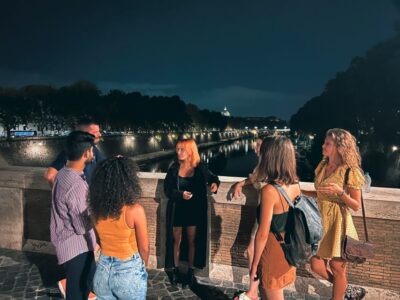
Paranormal Night Walking Tour & Secret Backstreets
Read our review →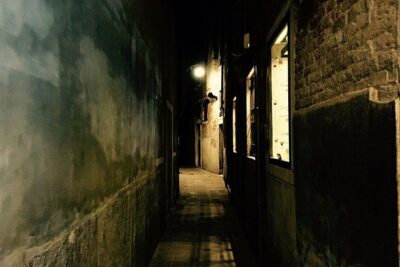
Venice Ghost Stories, Legends and Anecdotes Tour
Read our review →
Browse the lists this tour appears in