
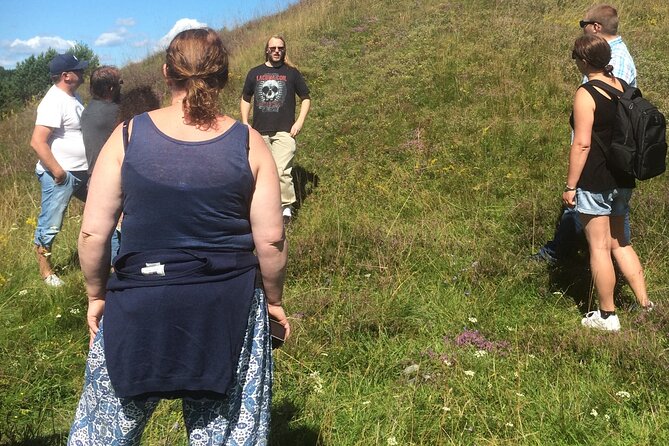
REVIEW · STOCKHOLM GHOST TOURS
Bloody Stockholm 2h – ghosts, horror and Dark Folklore Tour
Stockholm’s prettiest streets have grim secrets. I like the way this walking tour pairs Old Town history with Swedish folklore, then leads you from Stortorget’s executions to water spirits, church rituals, and protective magic. I also like that guides such as Jonathan and Åsa bring room for questions, humor, and extra historical detail.
The main consideration is the pace and length. The tour is advertised at about 1 hour 30 minutes, though one outing lasted more than 2.5 hours. The folklore can also share space with broader Stockholm history, so this suits you best if you want a dark historical walk, not a nonstop scare show.
Six things to know before you go
- Stortorget opens with executions and body-part magic, including the deaths of around 90 people connected with the Danish takeover of Stockholm.
- Prästgatan reveals a street once called Hell, adding an eerie layer to one of Gamla Stan’s most atmospheric lanes.
- Swedish protective folklore gets practical, from iron against spirits to safeguards for doors and unbaptized newborns.
- Water spirits take over at Logårdstrappan, with Näcken, the bäckahästen, Sjörå, and Skeppsrå waiting below the surface.
- The final church stop turns to exorcism and punishment, with stories tied to S:t Jacobs Kyrka.
- Small groups can make a real difference, and one booking with only three people became a much more personal walk.
A dark walk through Stockholm’s beautiful center
This is a guided stroll through central Stockholm, beginning at the Nobel Prize Museum in Stortorget and ending outside Saint Jacob’s Church beside Kungsträdgården. You remain outdoors, moving through Gamla Stan and then toward the newer central area north of the Old Town.
The advertised duration is approximately 1 hour 30 minutes. The title refers to a two-hour experience, so I would allow at least two hours in your schedule, with more time available if your guide follows questions and stories at length. That flexibility may be welcome, but it is worth knowing if you have a dinner reservation or another timed activity.
The group can include up to 30 people. That is not a huge crowd for a walking tour, but it is large enough to affect how easily you hear the guide in narrow streets. A small booking can feel quite different. One party of three particularly enjoyed having a more personal experience with Åsa.
You receive a mobile ticket, and the tour is offered in English. The meeting point is easy to identify: the Nobel Prize Museum, Stortorget 2. The walk ends at Västra Trädgårdsgatan 2A, outside Saint Jacob’s Church and beside Kungsträdgården. From there, it is about a 10-minute walk back toward the starting point.
More Ghost Story Tours in the world:
- Prague: Ghost Walking Tour Where Legends Come To Life
★ 4.4 · 5,253 reviews - Prague: Ghosts, Legends, Medieval Underground & Dungeon Tour
★ 4.3 · 5,104 reviews - Prague: Ghosts and Legends of the Old Town Evening Tour
★ 4.5 · 3,091 reviews
Stortorget and the bloodiest beginning
The first stop is Stortorget, the main square in Stockholm’s Old Town. Its colorful buildings and café tables make it one of the city’s most pleasant places to pause. Here, the tour changes the mood quickly.
You hear about the executions of around 90 people during the period when the Danish King Kristian took Stockholm. The focus is not only on the event itself, but also on the beliefs that grew around death. The guide explains how blood from the dead could be used in curses and how parts of the gallows were thought to help brew a good tale.
That mixture of documented events and folk belief is one of the tour’s strengths. You are not simply shown a location and handed a spooky label. Instead, you get a sense of how people once understood power, punishment, death, and magic.
I would expect this stop to feel more disturbing than frightening. There are no promised special effects or staged apparitions. The unsettling part comes from standing in a familiar public square while hearing what took place there centuries ago.
The stop is planned for about 10 minutes. That is enough time for a focused introduction, though anyone wanting a long account of Stockholm’s political conflicts may find it brief.
Prästgatan, the lane once known as Hell
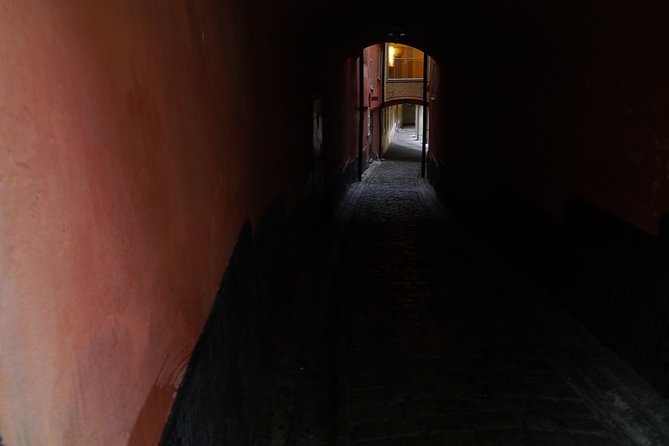
From Stortorget, the walk continues along Prästgatan. This narrow Old Town street has the right setting for dark folklore, but the useful detail is its former name: part of the lane was once called Hell.
The guide connects the name with the people who lived there and explains the older atmosphere of the area. It is a small piece of local history, yet it changes how you see the street. You may have passed through a quiet lane of old walls and doorways without guessing that its name carried such a grim meaning.
This stop also shows why walking works better than hearing these stories in a lecture room. The streets provide the setting. You can look at the tight passage, the old facades, and the route between buildings while the guide explains how people once viewed the neighborhood.
The planned time here is about 10 minutes. I would not expect a long ghost story at every doorway. The experience is built from short stops, linked by a walk through the city.
Iron, elves, trolls, and the unprotected child
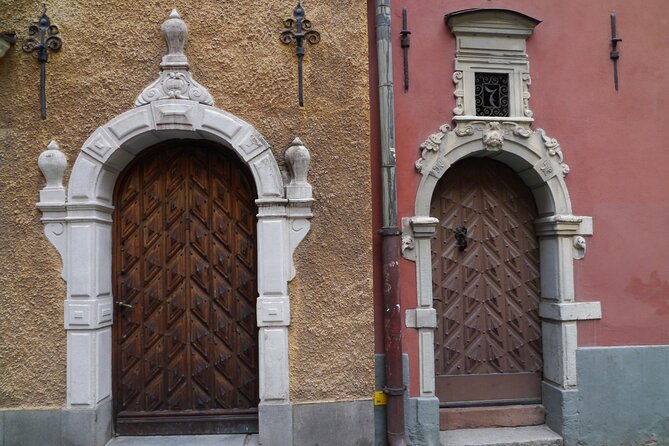
At a house door in the Old Town, the subject turns to protection against vaesen, the supernatural beings of Swedish folklore. Iron plays an important part. The guide explains how it was used to guard against elves and other forces, including spirits associated with mist and souls that had not found rest.
You also hear about the Swedish Tomte. This figure is familiar to many people through modern Christmas imagery, but older Scandinavian folklore gives the Tomte a more complicated character. The tour presents it as part of a broader world in which household protection could not be taken for granted.
The door itself matters. The guide discusses ways people tried to protect an entrance, then shifts to newborn children before baptism. In this belief system, a child lacked full protection until the ceremony took place and could be vulnerable to trolls or the Devil.
This is one of the most useful sections for understanding the difference between a modern ghost tour and a folklore tour. The subject is not only haunted places. It is also the practical fear that once shaped daily life: how to guard a home, a child, and a family from forces people considered real.
The stop lasts around 10 minutes. It should appeal to you if you enjoy customs and beliefs as much as stories of murder. If you want only famous ghosts, this part may feel less dramatic.
More Two-Hour Tours in the world:
- Edinburgh: 2-Hour Ghost Tour in Italian
★ 4.6 · 1,624 reviews - 2 hour Extended Ghost and Haunt Tour of Gatlinburg
★ 4.5 · 1,171 reviews - London: Ghastly Ghosts 2-Hour Walking Tour
★ 4.9 · 794 reviews - New York City: Gangsters and Ghosts 2-Hour Walking Tour
★ 4.7 · 615 reviews
Water spirits at Logårdstrappan
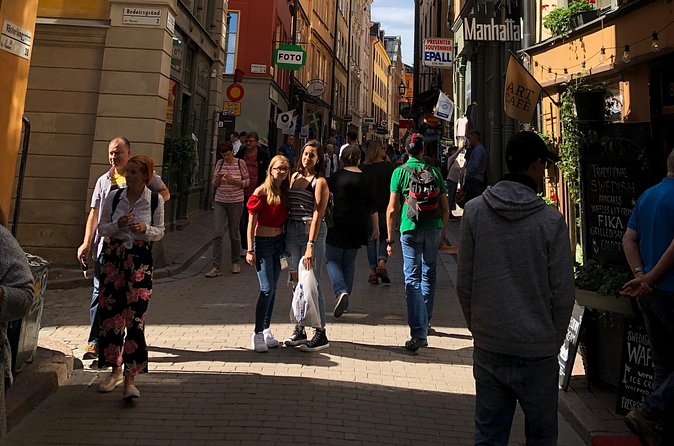
At Logårdstrappan, the tour moves to water folklore. This gives the walk a welcome change of setting and subject. Instead of executions and doorways, you hear about beings connected with rivers, lakes, the sea, and the danger of deep water.
The guide introduces Näcken, the bäckahästen, Sjörå, and Skeppsrå. The bäckahästen is described as the Swedish version of the kelpie, while Sjörå and Skeppsrå belong to the folklore of the sea and ships.
These beings are not simply decorative monsters. The stories explain how people imagined drowning, temptation, and accidents. Some creatures lured people toward the water. Others were linked with ships or the unseen forces of the sea. The common thread is clear: water could look calm and still be dangerous.
I like this stop because it widens the tour beyond Stockholm’s political past. It gives you a view of Swedish folklore as a way of explaining the risks of nature. The stories also make sense in a city shaped by water.
The planned stop is about 10 minutes. The guide’s storytelling matters here, since the names can come quickly and the creatures may be unfamiliar. Feel free to ask for clarification if you want to keep the different spirits straight.
Kungsträdgården and the forest creatures
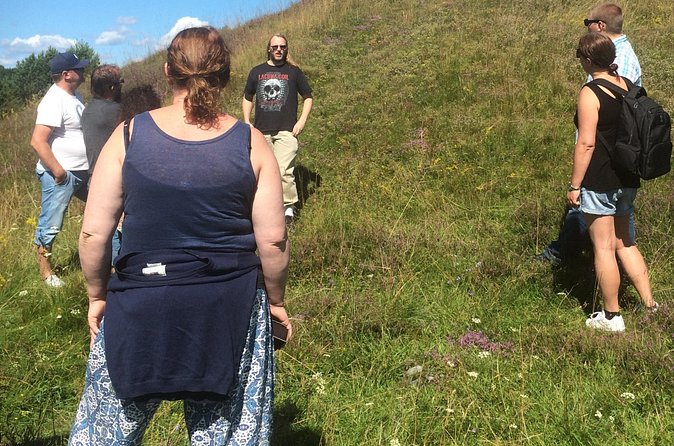
The walk continues to Kungsträdgården, where the tour spends about 20 minutes on more vaesen. This is the longest stop on the route, giving the guide more room to connect several figures and their stories.
The Skogsrået, also called the Huldra, is one of the key subjects. The tour also introduces the Myrling, an undead child from folklore, along with other dangerous creatures from the past.
The forest figures bring a different kind of fear. Earlier stops focus on public punishment, home protection, and water. Here, the woods become the threat. The stories reflect anxiety about getting lost, meeting something unnatural, or crossing into a place controlled by forces beyond human understanding.
The Myrling stories are particularly grim because they connect the supernatural with the death of a child. This is not light family entertainment, even though the folklore can be fascinating. Parents should decide in advance if that subject is suitable for younger children.
One 10-year-old found the tour exciting, interesting, and educational, so age is not automatically a barrier. Still, the subject matter includes death, murder, executions, curses, and undead figures. I would use your child’s temperament as the guide rather than relying on a general age rule.
Kungsträdgården is also a useful point in the route because it helps shift the tour from Gamla Stan toward the final church stop. The walk is not confined to one square or alley. You see how the stories follow the city into its central public spaces.
S:t Jacobs Kyrka and the final warnings
The final stop is outside S:t Jacobs Kyrka, also called Saint Jacob’s Church. The guide discusses the church door, weak points in the church, and an exorcism involving a child at baptism.
The subject then turns to punishment and revenge, including what to do if you had a worst enemy to punish. This ending keeps the tour’s focus on the practical side of old belief. Folklore was not always a bedtime story. It could offer people instructions, warnings, and imagined methods of dealing with danger.
Because the tour remains outside, you should not expect an indoor church visit. The interest comes from the building’s exterior and the stories attached to its doors, rituals, and vulnerable points.
This section lasts about 15 minutes. It is a fitting close because it brings together religion, fear, protection, and the supernatural. The walk ends just outside the Old Town on the north side, beside Kungsträdgården. You are not left in an isolated area, and you can walk back toward the starting point in about 10 minutes.
What the guides add to the experience
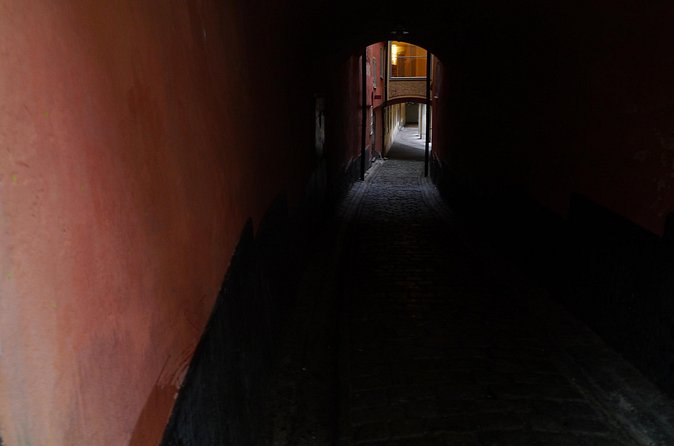
The strongest feature here is the guide’s command of the subject. Jonathan is described as full of facts about Stockholm’s horrible and bloody past, while Åsa is praised for an engaging approach that worked especially well with a very small group.
I would expect the quality of the evening to depend heavily on the person leading it. This is a story-based walk, so delivery matters as much as the route. The guide needs to explain unfamiliar Swedish names, keep the group moving, and balance grim material with enough humor to prevent the mood from becoming heavy.
Questions are welcome, and the guide may add more detail when the group shows interest. That can be a major advantage if you want more than a fixed script. It can also explain why the duration varies. One outing extended beyond 2.5 hours, which suggests that the guide may continue well past the planned time when conversation develops.
The tradeoff is predictability. If you need the tour to finish exactly after 90 minutes, allow extra space in your plans. If you like a guide who follows the group’s curiosity, the longer format may feel like added value.
Is the dark history worth the price?
A specific ticket price is not provided here, so I cannot judge the cost in exact terms. I can judge what you receive: a guide, a route through central Stockholm, six themed stops, and stories that combine local events with Swedish folklore.
The value is strongest if you would otherwise walk through Gamla Stan without learning what happened there. You get more than a list of dates and buildings. You learn how blood, iron, water, church doors, forests, and unbaptized children fitted into older ideas about danger.
The value is less clear if you want a theatrical ghost attraction. The walk is described as informative, with entertaining stories and dark historical detail. It is not presented as a performance with actors, special effects, or guaranteed ghost sightings.
I would also consider the small group limit. A maximum of 30 people keeps the experience manageable, but the price becomes easier to justify when the actual group is small enough for questions and direct conversation. The three-person experience with Åsa shows how personal the walk can feel under the right conditions.
Who should book this Stockholm walk?
I would choose this tour if you enjoy:
- Dark chapters of city history
- Executions, murder, curses, and punishment
- Swedish folklore and supernatural beings
- Walking through Old Town with a strong sense of place
- Guides who explain details and welcome questions
- A mix of fact, belief, religion, and local storytelling
I would be more cautious if you want a pure ghost hunt. The first review of the experience described it as an informative stroll rather than a traditional ghost tour, and that is a fair way to set your expectations.
Families can consider it, but the subject is mature in places. A 10-year-old enjoyed it, yet the stories include death, undead children, exorcism, and the Devil. Use your judgment.
The route is near public transportation, and most people can participate. Service animals are allowed. Since it is a walking tour through city streets, comfortable shoes and weather-ready clothing are sensible, though the supplied details do not specify a required dress code.
Cancellation and planning details
You receive confirmation at booking unless you book within 18 hours of the start time. In that case, confirmation arrives as soon as possible and depends on availability.
Cancellation is free up to 24 hours before the start time for a full refund. Inside 24 hours, the payment is not refunded, and changes are not accepted. The cut-off uses Stockholm local time.
I would book the tour early enough to receive confirmation and leave breathing room afterward. The route ends near Kungsträdgården, not at the starting point, and the walk back takes about 10 minutes.
FAQ
How long is the Bloody Stockholm tour?
The experience is advertised as approximately 1 hour 30 minutes. The tour title refers to two hours, and one outing lasted more than 2.5 hours, so you should allow extra time.
Where does the tour begin?
It begins at the Nobel Prize Museum, Stortorget 2, 103 16 Stockholm, Sweden.
Where does the tour end?
It ends outside Saint Jacob’s Church at Västra Trädgårdsgatan 2A, 111 53 Stockholm, beside Kungsträdgården.
How far is the end from the starting point?
The end point is about a 10-minute walk back toward the starting point.
What language is the tour offered in?
The tour is offered in English.
What places does the route visit?
The route includes Stortorget, Prästgatan, Stockholm Old Town, Logårdstrappan, Kungsträdgården, and the outside of S:t Jacobs Kyrka.
What subjects are covered?
The tour covers executions, death, curses, magical uses of body parts, protective iron, the Swedish Tomte, trolls, water spirits, forest creatures, undead folklore, exorcism, and church protection.
How large can the group be?
The maximum group size is 30 people.
Can I cancel for a full refund?
Yes. You can cancel at least 24 hours before the start time for a full refund. Cancellations and changes made within 24 hours are not accepted for a refund.
Should you book it?
Book this walk if you want Stockholm’s handsome Old Town paired with its harsher stories. I especially recommend it for you if executions, folklore, curses, and Swedish supernatural traditions sound more appealing than a standard sightseeing route.
Skip it if you want a tightly timed, theatrical ghost attraction. The real appeal is the guide’s storytelling and the way ordinary streets become unsettling once you know what people once feared there. Allow extra time, dress for the weather, and arrive ready for history that is sometimes bloody, sometimes strange, and occasionally both.
Newly added around the world
- Zion: Harry Potter-Inspired Zion Ghost Tour with Sunset View★ 5.0 · 8 reviews
- York : Private Ghost Hunt★ 5.0 · 3 reviews
- Your evening in Venice – Legends&Ghosts&Aperitif★ 4.7 · 79 reviews
- York’s Haunted Heart : Ghost, Ghouls and Gallows★ 4.6 · 82 reviews
- Witches, Widows, & Wraiths: Wichita Ghost Tours★ 5.0 · 2 reviews
- Wraiths of the West Texas Wind: El Paso Ghost Tour★ 4.5 · 9 reviews
- Witches, ghosts and executioners / Mystical North Hesse★ 4.4 · 4 reviews
- Wraiths & Wicked Whispers: Wilmington Ghost Tour★ 4.2 · 25 reviews
Stockholm Ghost Tours, compared.
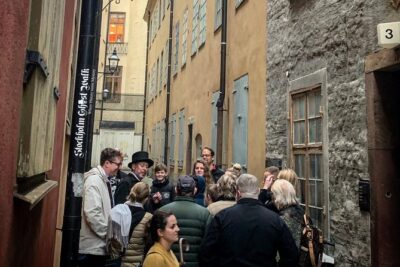
The Original Stockholm Ghost Walk and Historical Tour – Gamla Stan
Read our review →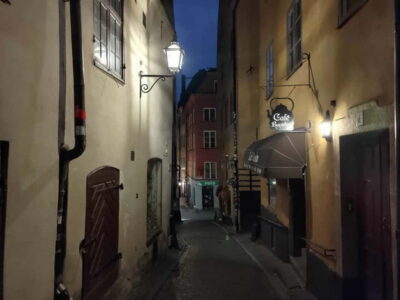
Bloody Stockholm: ghosts, horror and dark folklore 2h
Read our review →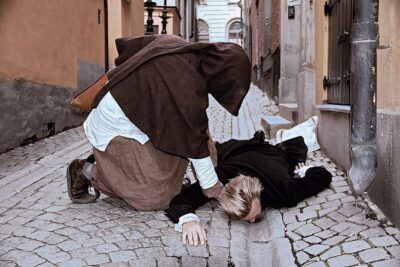
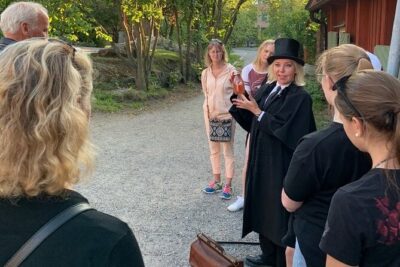
The Original Stockholm Ghost Walk and Historical Tour – Södermalm
Read our review →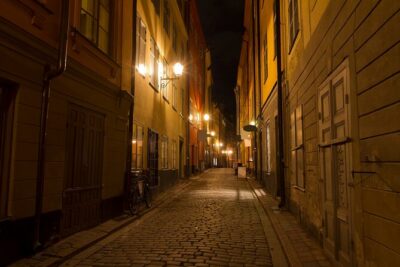
Ghosts of Stockholm: A Guided Tour of Horror and Dark Folklore
Read our review →
Stockholm Ghost Hunt: Self-Guided Tour and Puzzle Adventure
Read our review →
Private blood, ghosts and folklore Old Town 2h Stockholm tour
Read our review →Browse the lists this tour appears in