REVIEW · USA GHOST TOURS
Augusta: Guided Walking Ghost Tour of Garden City
Augusta keeps its darkest stories after sunset. This one-hour walk pairs well-researched local history with tales of body snatching, murder, slavery, and restless spirits, giving you a sharp look at the city’s more troubling past.
I like the route’s mix of places and stories, especially the haunted hearse tale at the Augusta Museum of History and the legend of the cursed pillar. I also like that the tour stays short and costs $24, making it easy to fit into an evening. The main drawback is that it is not suitable for people with mobility impairments, and some stories involve graphic violence, medical cruelty, and slavery.
Key points to know before you book
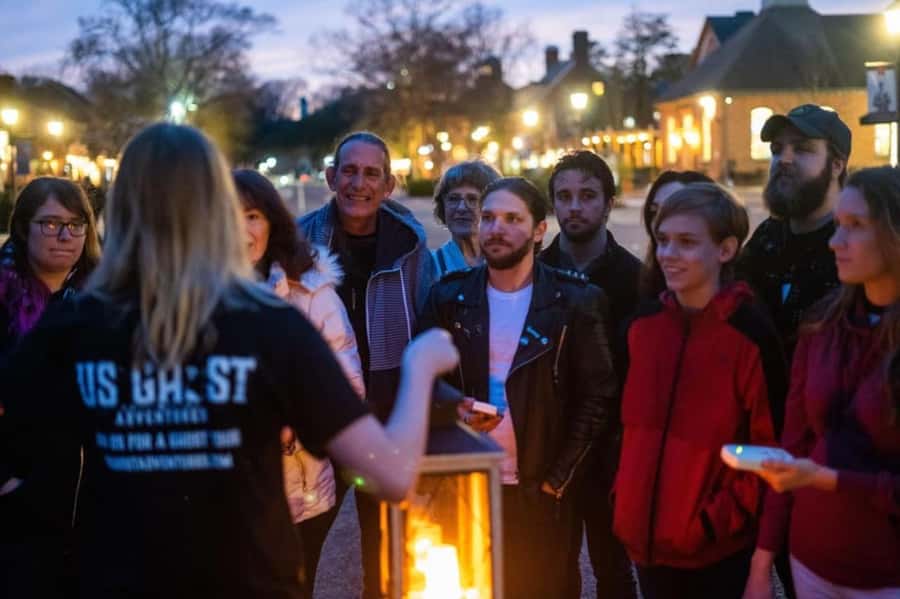
- Seven haunted locations in one hour: The route links several Augusta sites, including the Augusta Museum of History, Marion Hatcher Center, Old Medical College, Cursed Pillar Site, and historic cobblestone streets.
- The stories are rooted in grim history: Gunfights, body snatching, slavery, Victorian-era medicine, and murder provide the basis for the ghost tales.
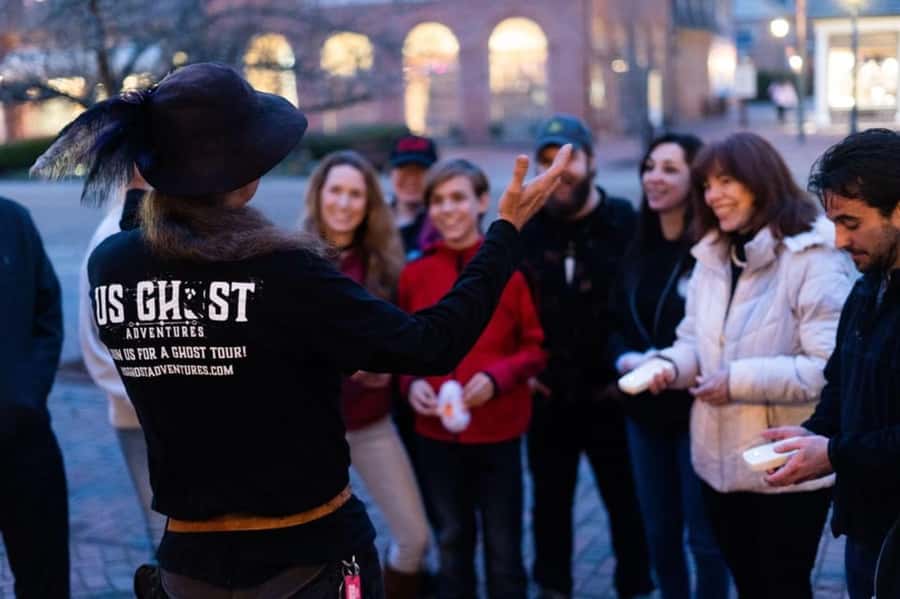
- The meeting point is easy to find: Meet at Miller Theatre, 708 Broad Street, on the corner of 7th and Broad. Your guide wears a US Ghost Adventures shirt and carries a lantern.
- Phillip has made a strong impression: If Phillip leads your walk, you can expect a personal presentation, plenty of history, and a route designed to create a growing sense of unease.
- You pay for storytelling, not transportation: The $24 fee covers the one-hour guided walk, but you must arrange your own way to and from downtown Augusta.
- Plan for outdoor walking: Wear comfortable shoes and clothing suited to the weather. Smoking, alcohol, and drugs are not allowed.
Meeting your guide at Miller Theatre
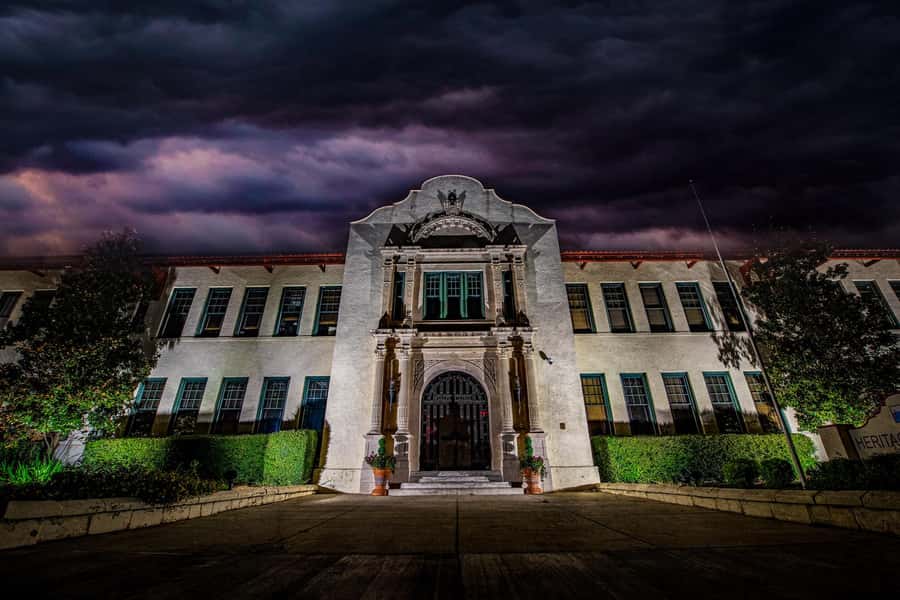
The tour begins at Miller Theatre, 708 Broad Street, at the corner of 7th and Broad. Look for the guide in a US Ghost Adventures T-shirt, carrying a lantern. That visual marker matters, especially if several evening events are taking place nearby.
The meeting instructions deserve a quick note. The tour description also refers to meeting at the Augusta Museum of History, but the stated meeting point is Miller Theatre. I would use Miller Theatre as your starting location and follow any same-day directions from the operator if the meeting place changes.
The walk ends back at the starting point. That makes planning simpler, since you do not need to arrange a pickup at a second location. Transportation is not included, so you will need to reach downtown Augusta on your own.
The tour is conducted in English. It lasts one hour, which is long enough to create a mood without turning into a late-night endurance test. You will be on foot for the full experience, so comfortable shoes are not optional if you want to pay attention to the stories instead of your feet.
More Ghost Walking Tours in the USA
- New Orleans Premier Ghost, Voodoo and Vampire Walking Tour
★ 4.5 · 12,856 reviews - Chicago: Gangsters and Ghosts Walking Tour
★ 5.0 · 7,155 reviews - Savannah History and Haunts Candlelit Ghost Walking Tour
★ 5.0 · 3,235 reviews
The Augusta Museum of History and the haunted hearse
One of the first major story stops concerns the Augusta Museum of History. The focus here is not simply on exhibits or architecture. You hear about a haunted hearse said to hold the spirit of a little boy within its walls.
That detail gives the tour an immediate human face. Ghost stories can become vague when they rely only on haunted buildings and unexplained noises. A story about a child tied to an object feels more specific, and that makes it easier to picture the fear surrounding the tale.
The museum setting also helps establish the tour’s method. The guide connects a reported haunting with Augusta’s documented past instead of presenting the city as a collection of spooky claims. The result should appeal to you if you like ghost walks that give historical context before reaching for a supernatural explanation.
Do not assume the ticket includes museum admission. The activity is described as a guided walking tour, and the included items are the one-hour walk, the guide, historical research, and ghost stories. If you want to visit the museum’s interior, check its separate admission and opening hours.
The Cursed Pillar Site and Augusta’s darker legends
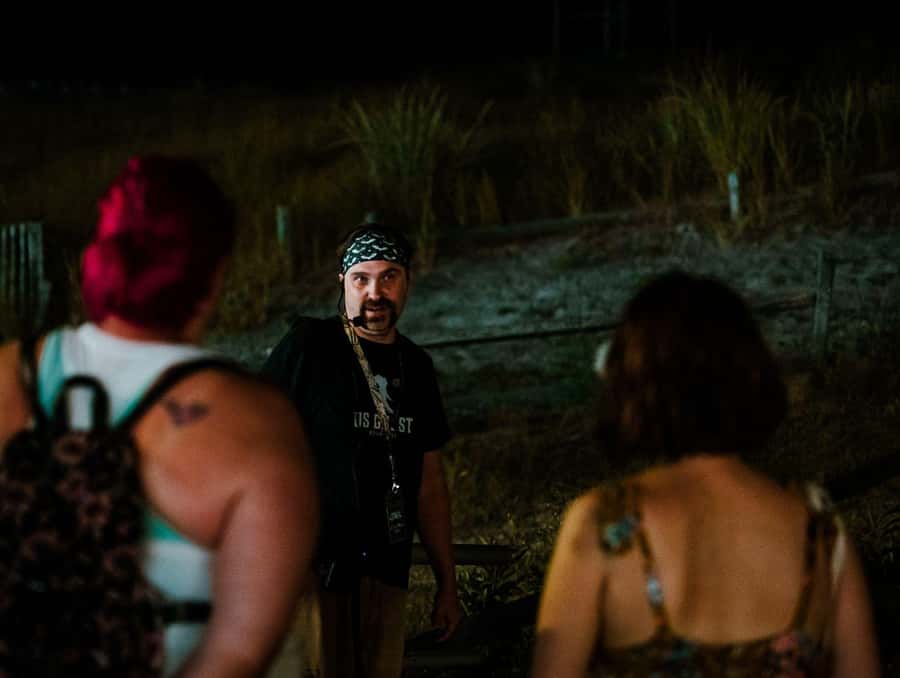
The Cursed Pillar Site brings a different kind of fear. Here, the central story concerns an infamous cursed relic. The appeal is less about a long stop and more about hearing how one object can gather layers of warning, rumor, and local memory.
I enjoy this kind of stop because it gives a ghost walk a physical anchor. Instead of hearing a story with no connection to the ground beneath you, you are standing near the place tied to the legend. That can make the story feel more immediate, even if you remain skeptical about the supernatural part.
The guide’s job is especially important here. A good presentation should separate what is known from what is believed, while still allowing the tale to be unsettling. This tour promises credible historical background alongside thrilling stories, so you should get both the setting and the folklore.
The drawback is that a site like this may not offer much to see on its own. Its value comes from the explanation, the atmosphere, and your willingness to let the story do the work.
Marion Hatcher Center and the city’s whispered ghosts
At the Marion Hatcher Center, the tour turns toward reports of ghostly activity connected with an important Augusta building. The precise appeal is the contrast between the center’s public role and the private stories attached to it.
You will likely spend more time listening than looking. That is typical of a compact walking ghost tour, and it is worth remembering when setting expectations. This is not a theatrical show with elaborate effects. The guide, the building, and the account of what may have happened there carry the experience.
The center also helps broaden the tour beyond one type of haunting. The route is not built around a single famous ghost. Instead, each stop adds another version of Augusta’s troubled past, from cursed objects to medical fears and stories of violence.
The strongest part of this format is the connection between place and memory. You are not only hearing that Augusta is haunted. You are hearing why certain buildings and corners have collected those stories.
Same streets, an entirely different kind of scare:
- Adults-Only New Orleans Ghost, Crime, Voodoo, and Vampire Tour
★ 5.0 · 6,545 reviews - Salem’s Best Ghost Tour
★ 4.5 · 4,186 reviews - Haunted Evening Horse and Carriage Tour of Charleston
★ 4.5 · 3,678 reviews - New Orleans Adults-Only Ghost, Voodoo and Vampire Tour
★ 5.0 · 3,291 reviews
The Old Medical College and Victorian-era fears
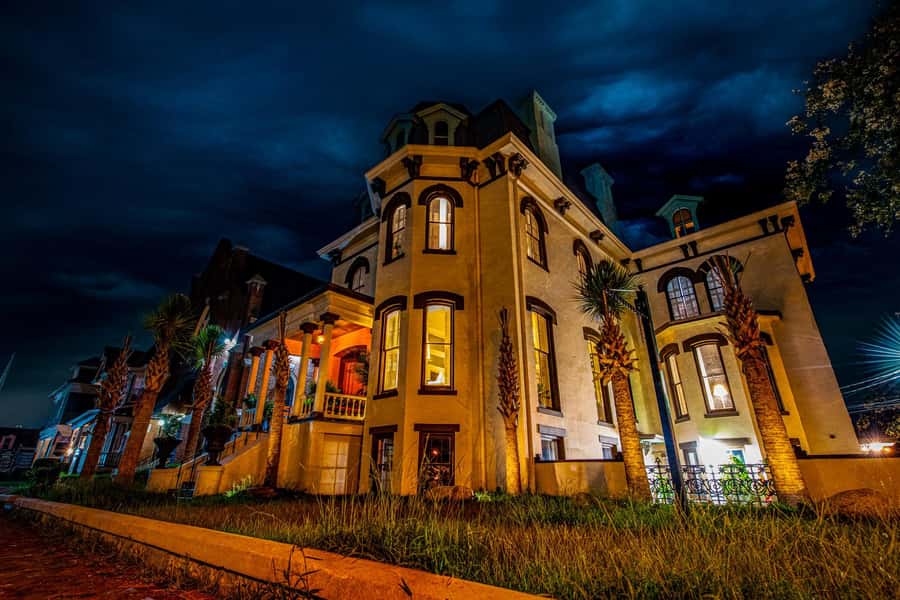
The Old Medical College provides the tour’s most unsettling historical material. The stories here involve Victorian-era medicine, body snatching, and the frightening rumor of Night Doctors who cut people open while they were still alive.
This section will suit you if you prefer ghost tours with a serious historical edge. It is not simply a parade of spirits. The fear comes from real anxieties about medical treatment, death, burial, and the vulnerability of people who had little power to protect themselves.
The tale of the Resurrection Man adds another grim layer. He is described as a slave who served as the Night Doctors’ right-hand man. That story brings the horrors of slavery directly into the tour and prevents the past from being treated as harmless entertainment.
You should be prepared for difficult subject matter. Body snatching and slavery are not decorative details. They involve exploitation, violence, and the loss of human dignity. The tour may be presented as a spooky experience, but this part also asks you to think about who suffered and who benefited.
That balance is important. The best historical ghost stories use the supernatural to open a door into real injustice. This Augusta tour appears to do that by placing its ghost lore beside the city’s medical and social history.
Cobblestone streets and the feel of old Augusta
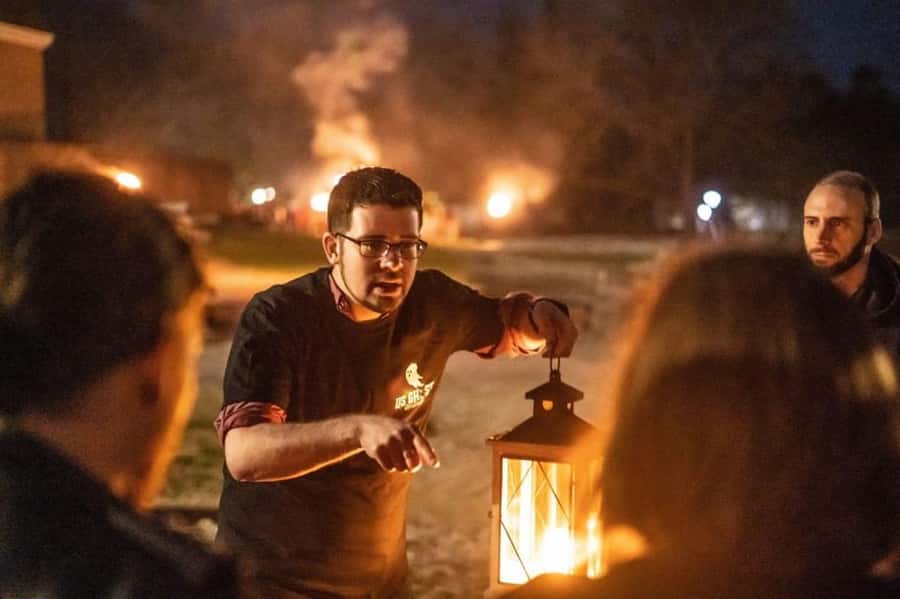
The walk through Augusta’s cobblestone streets provides the visual setting for the stories. Uneven historic streets, dim evening conditions, and old buildings can do a great deal of atmospheric work without props or special effects.
You should wear shoes with good comfort and stability. The tour is not suitable for people with mobility impairments, and cobblestones can make walking more tiring than a smooth downtown sidewalk. Weather matters too, since much of the experience takes place outdoors.
This part of the route also gives you a better sense of Augusta as a historic city. You are not sealed inside a theater or bus. You move through streets where the stories are attached to actual locations, and that makes the hour feel more like a guided look at the city than a stand-alone horror performance.
At the same time, the outdoor format means conditions can shape your experience. Rain, heat, cold, or poor footwear could take the edge off the fun. Check the forecast and dress for the weather rather than for the ghost theme.
The Savannah River and the danger of will-o-wisps
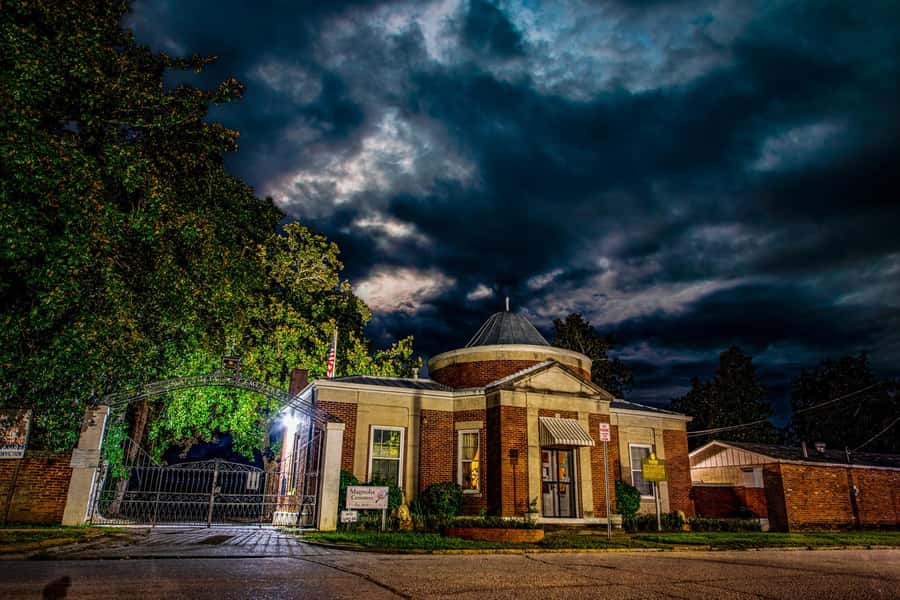
The Savannah River enters the tour through the story of will-o-wisps said to lure people toward their deaths. These spirits are presented as more than harmless lights or wandering figures. Their danger is part of the question: who are they, and why would they lead people to such an end?
This story gives the tour a change of pace. The earlier stops focus on buildings, objects, medicine, and human violence. The river lore opens the story outward, connecting the supernatural with water, darkness, and the danger of following something you cannot understand.
You may find this section especially effective if you like folklore that explains a place’s hazards through legend. The story does not need a visible ghost to work. The idea of a light drawing someone away from safety is unsettling on its own.
The route details do not promise a long riverside visit, so I would not book this expecting an extended river walk. Think of the Savannah River story as one part of a broader collection of Augusta tales.
Why the one-hour format works
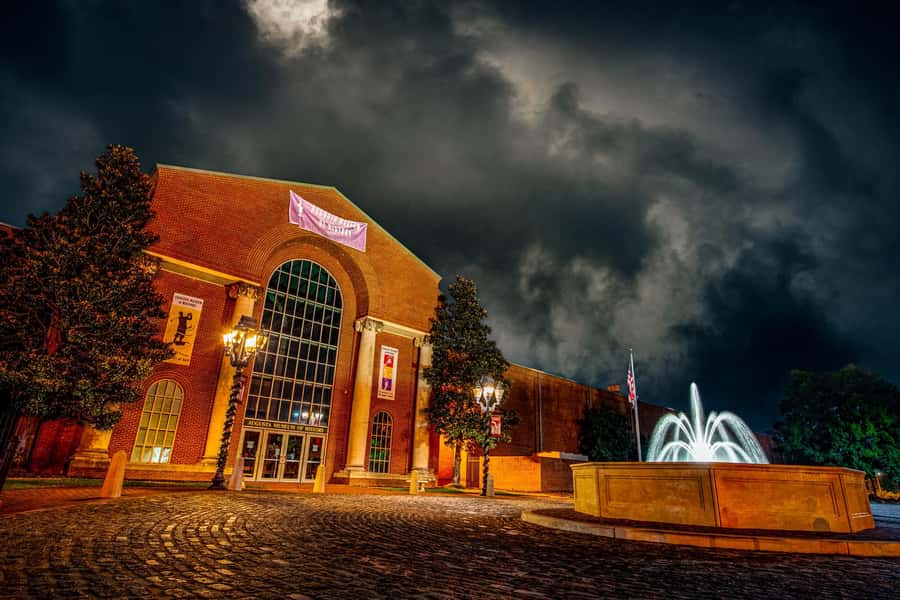
An hour is a useful length for this kind of activity. You get a focused introduction to Augusta’s haunted stories without committing an entire evening to a long route. You can pair it with dinner, another downtown activity, or a quiet walk after the tour.
The short duration also keeps the storytelling brisk. The guide has to move from one location to the next and make each tale count. That suits you if you prefer a concise experience with a clear beginning and end.
The tradeoff is that no single stop can receive a great deal of time. If you want a detailed architectural tour, a full museum visit, or long discussions of Augusta’s past, this will feel limited. The goal is a fast, atmospheric overview, not an academic walking seminar.
The tour’s strongest praise centers on the guide’s presentation. One account describes Phillip as personal, well informed, and effective at creating a route with an overall sense of unease. That is exactly what you want from a one-hour ghost walk. The stories should build from curiosity to discomfort rather than arrive as unrelated spooky facts.
Is $24 good value?
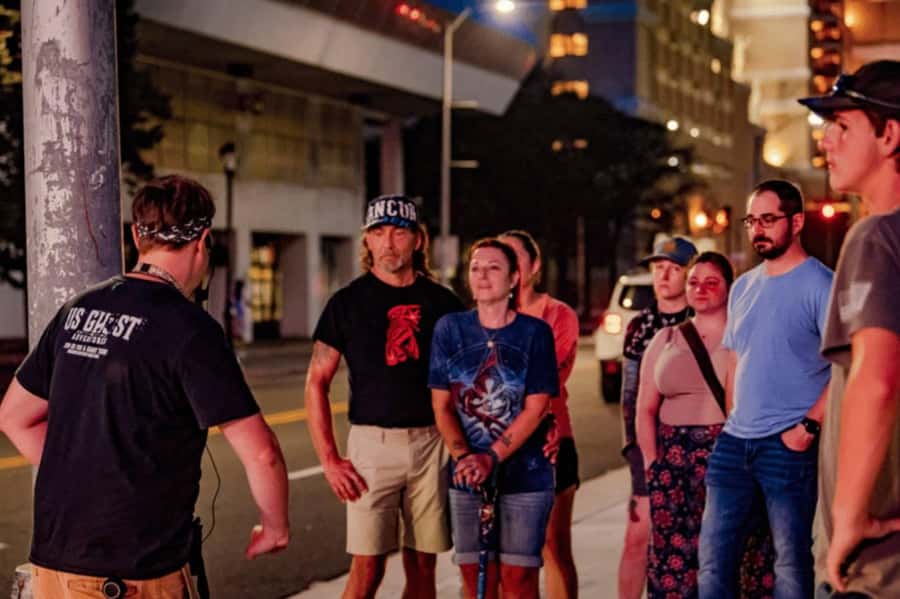
At $24 per person, the tour is reasonably priced for a one-hour guided activity. You are paying for a live guide, a planned route, historical research, and stories tied to seven locations. For a visitor who wants a compact evening activity, that is a fair exchange.
The value depends on what you want from a ghost tour. If you enjoy local legends, historical context, and walking through old streets after dark, the price makes sense. If you expect actors, costumes, special effects, entry to several attractions, or transportation, you may find the offering modest.
No transportation is included, and the guide tip is separate. Those costs are easy to manage, but you should include them when planning your evening budget. You can cancel up to 24 hours ahead for a full refund, and the reserve-now, pay-later option gives you some flexibility when arranging your schedule.
There are only a small number of recorded ratings available, so I would treat the perfect score as encouraging rather than conclusive. The repeated praise is specific, though. The guide’s command of the stories and the personal feel of the route are the features that deserve the most weight when deciding.
Who should book this Augusta ghost walk?
I would recommend it to adults and older teens who enjoy spooky folklore with a serious historical base. It is a good fit if you want to hear about Augusta’s medical past, slavery, crime, and local legends while walking between real sites.
You should also book it if you like compact tours. The one-hour schedule makes this easy to add to a broader Augusta visit, and the return to Miller Theatre simplifies the end of the evening.
I would think twice if you dislike stories about death, body snatching, medical violence, or slavery. The tour’s appeal depends on those subjects, and the tone is meant to be unsettling.
I would also skip it if uneven walking is difficult for you. Mobility limitations are specifically noted, and the cobblestone streets make good footwear and steady movement important.
Practical tips for a better evening
- Arrive at Miller Theatre with enough time to identify the guide and settle in before the walk begins.
- Wear comfortable shoes suited to uneven streets.
- Bring weather-appropriate clothing because this is an outdoor walking activity.
- Treat the stories as a blend of documented history and local ghost lore.
- Keep the subject matter in mind if you are traveling with children, since the tour includes violence, slavery, body snatching, and disturbing medical tales.
- Do not bring alcohol or drugs, and smoking is not allowed.
- If you want to see the Augusta Museum of History from the inside, arrange that separately rather than assuming it is included.
Should you book it?
Book this tour if you want a short, affordable way to meet Augusta through its darker stories. The best reasons are the focused route, the mix of genuine history and folklore, and the guide-led sense of unease that Phillip has delivered particularly well.
Skip it if you want a full museum visit, a long river walk, or a polished haunted attraction with actors and effects. For the right audience, though, $24 buys an engaging hour on Augusta’s streets, where the city’s past feels less tidy and much more human.
FAQ
How long does the Augusta ghost tour last?
The guided walking tour lasts one hour.
Where does the tour meet?
Tours meet at Miller Theatre, 708 Broad Street, Augusta, Georgia, on the corner of 7th and Broad Street.
How will I recognize the guide?
The guide will be wearing a US Ghost Adventures T-shirt and carrying a lantern.
Where does the tour end?
The activity ends back at the meeting point.
What language is the tour conducted in?
The tour is conducted in English.
What should I bring?
Bring comfortable shoes and clothing suitable for the weather.
Can I cancel for a refund?
Yes. You can cancel up to 24 hours in advance for a full refund.
Newly added around the USA
- Zion: Harry Potter-Inspired Zion Ghost Tour with Sunset View★ 5.0 · 8 reviews
- Wraiths of the West Texas Wind: El Paso Ghost Tour★ 4.5 · 9 reviews
- Witches, Widows, & Wraiths: Wichita Ghost Tours★ 5.0 · 2 reviews
- Wraiths & Wicked Whispers: Wilmington Ghost Tour★ 4.2 · 25 reviews
- Wilmington: Boos and Booze Haunted Pub Crawl★ 4.0 · 8 reviews
- Wild West Ghost Tour★ 4.6 · 3 reviews
- Williamsburg: Echoes of Twilight Late-Night Ghost Tour★ 4.6 · 13 reviews
- Washington D.C.: Dark Nights in D.C. Ghost Tour★ 4.5 · 33 reviews
USA Ghost Tours, compared.
New Orleans Premier Ghost, Voodoo and Vampire Walking Tour
Read our review →
Adults-Only New Orleans Ghost, Crime, Voodoo, and Vampire Tour
Read our review →

Haunted Evening Horse and Carriage Tour of Charleston
Read our review →
Savannah History and Haunts Candlelit Ghost Walking Tour
Read our review →
Ghosts of Charleston Night-Time Walking Tour with Unitarian Church Graveyard
Read our review →