
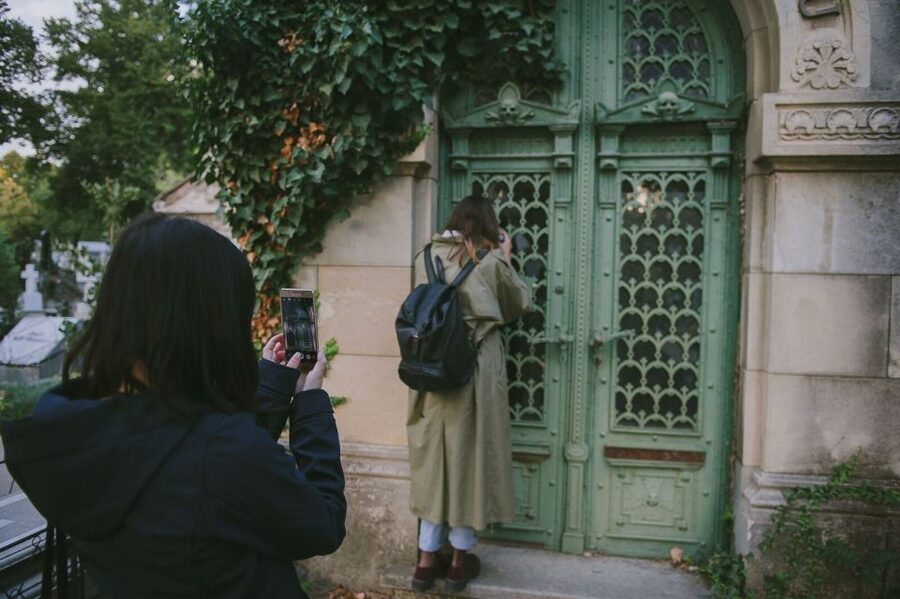
REVIEW · 3-HOUR EXPERIENCES
Bucharest: 3-Hour Dark History Tour with a Local
Bucharest keeps its darkest stories close. This three-hour walk links Bellu Cemetery, the 1989 Revolution, interwar sex trade, and communist terror in one sharp, story-led tour. I like the visit to Bellu Cemetery, where ornate tombs and local legends turn a graveyard into an open-air gallery. I also like the way the tour connects distant periods, from the elegant Little Paris era to the bloodshed of the 1970s and 1989.
The main drawback is the amount of walking and standing outdoors. On cold days, you need serious layers, not just a decorative scarf. The subject matter also includes murder, torture, prisons, labour camps, and political violence, so this is not a light sightseeing stroll.
What makes the experience work is the local perspective. Guides such as Alex, Elena, Andra, Vlad, Irina, and Bogi have been praised for clear storytelling, humour, personal insight, and a willingness to answer questions. The small group limit of 12 helps keep the walk conversational.
Key points at a glance
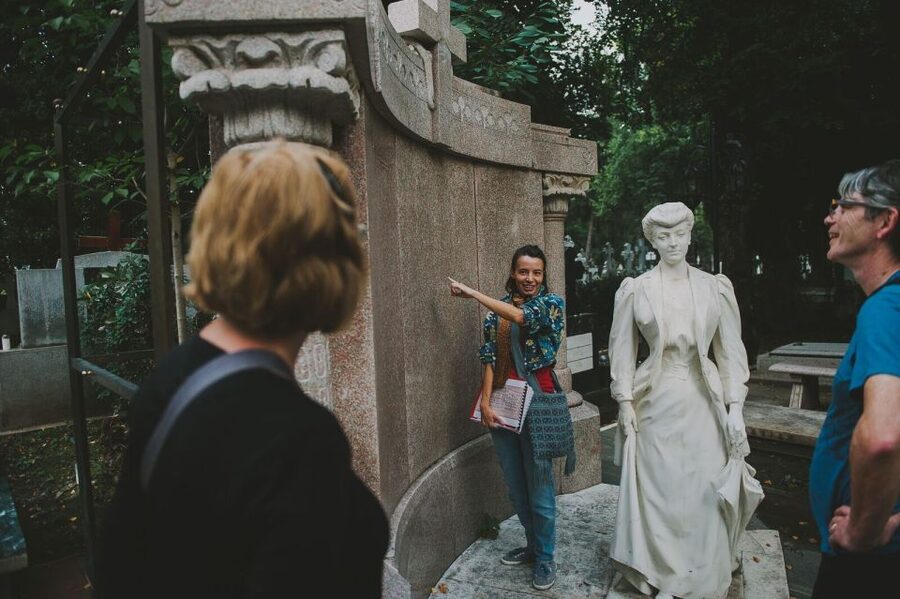
- Bellu Cemetery is the visual and emotional centre: Expect elaborate monuments, famous graves, sad love stories, folklore, stray cats, and cemetery dogs.
- Six cemeteries share one Bucharest street: The route begins near several burial grounds, including the Cemetery of the Victims of the 1989 Revolution, the Jewish Cemetery, and the Cemetery of the Russian Soldiers.
- University Square carries the scars of modern Romania: You learn how the square figured in the 1989 Revolution and the anti-communist student protests of the 1990s.
- The Little Paris section adds a surprising twist: The walk explores interwar sex trade and the remains of a former brothel.
- The Vampire of Bucharest story is genuinely grim: You hear about the serial killer who frightened Bucharest in the early 1970s.
- Practical value is strong: The $55 price includes an English-speaking guide, metro tickets, and a traditional street snack.
Why this dark Bucharest walk is different
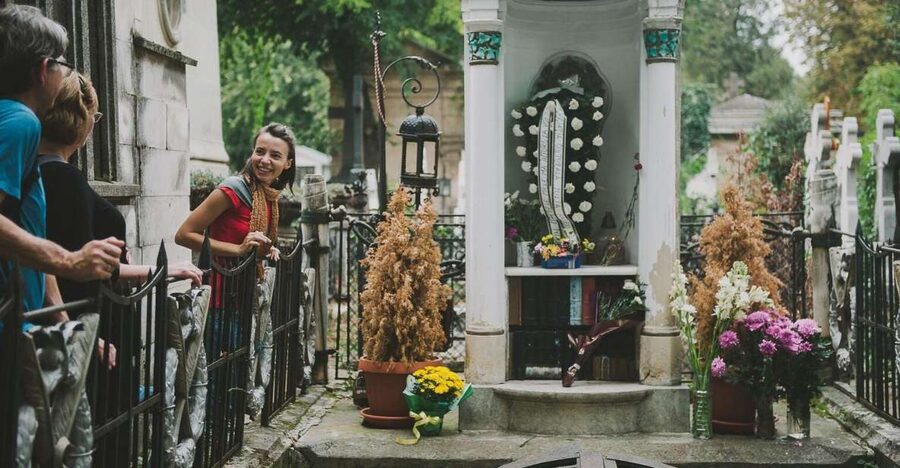
Bucharest has plenty of grand buildings, pretty cafés, and broad boulevards. This tour takes another route through the city. It asks how ordinary people lived through death, dictatorship, revolution, crime, and social change.
I like that the itinerary does not treat dark history as a collection of spooky tales. The stories are tied to actual places and wider events. A cemetery leads into questions about Romanian beliefs and social customs. A city square becomes a place to discuss state violence. A former brothel opens a window onto interwar Bucharest, when the city was often called Little Paris.
The tone is serious, but it is not presented as a grim lecture. Guides have been praised for humour, warmth, and personal anecdotes. Some have also pointed out small details such as street art, bullet holes, local plants, and architectural features. Those touches help you read Bucharest rather than simply pass through it.
The tour carries a 4.9 rating from 301 ratings, and the strongest praise focuses on the guides. Alex is often singled out for his command of architecture, history, and local detail. Elena is praised for warmth and lively storytelling. Andra receives credit for making difficult subjects easy to follow, while Vlad is noted for tailoring the walk to individual interests and sending extra material afterward.
Guide assignments can change, so you should not book on the assumption that one particular person will lead your walk. The good news is that the guide team has earned repeated praise for its enthusiasm and local knowledge.
More Dark History Tours in the world:
- Adults-Only New Orleans Ghost, Crime, Voodoo, and Vampire Tour
★ 5.0 · 6,545 reviews - Edinburgh: Dark Secrets of the Old Town Ghost Walking Tour
★ 4.6 · 1,671 reviews - New Orleans Adults-Only True Crime and Ghost Walking Tour
★ 5.0 · 1,666 reviews
Starting among six cemeteries
The meeting point is the main entrance of the Ion Luca Caragiale National Theatre at Bulevardul Nicolae Bălcescu 2. From there, the tour heads toward a street near the city centre that accommodates no fewer than six cemeteries.
That opening is a useful reminder that Bucharest’s urban fabric is layered and sometimes unexpected. Alongside ordinary city streets, you find burial grounds tied to different communities and historic moments. The Cemetery of the Victims of the Revolution in 1989, the Jewish Cemetery, and the Cemetery of the Russian Soldiers each point to a different chapter in the city’s past.
You do not visit every cemetery in depth. The main stop is Bellu Cemetery, but the surrounding burial grounds provide context before you enter. This is one of the tour’s better choices. Instead of presenting Bellu as an isolated attraction, the guide places it within a wider map of memory, religion, war, and political violence.
The area also sets the mood without relying on theatrical effects. You are looking at real places connected to real people. For some visitors, that makes the experience more affecting than a conventional ghost walk.
Bellu Cemetery, Bucharest’s stone storybook
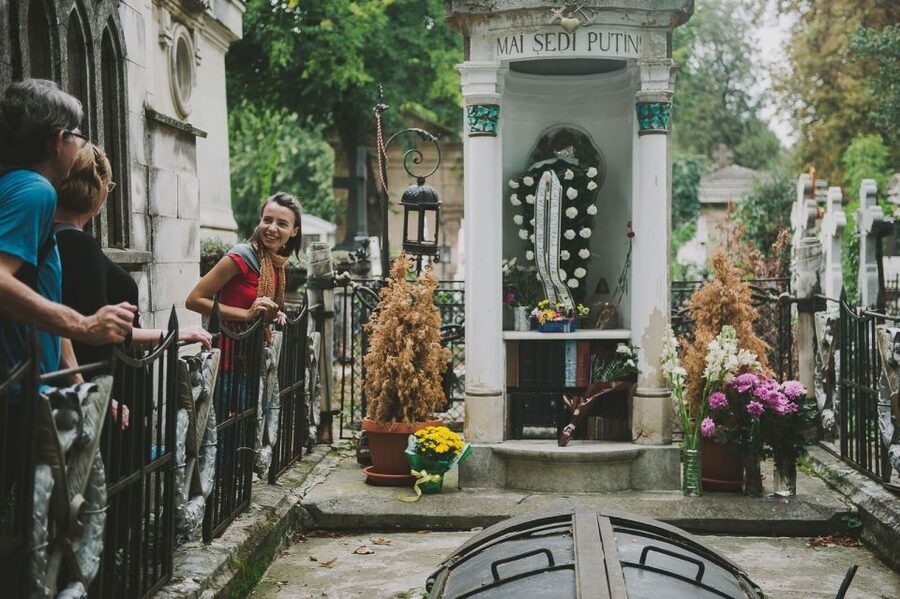
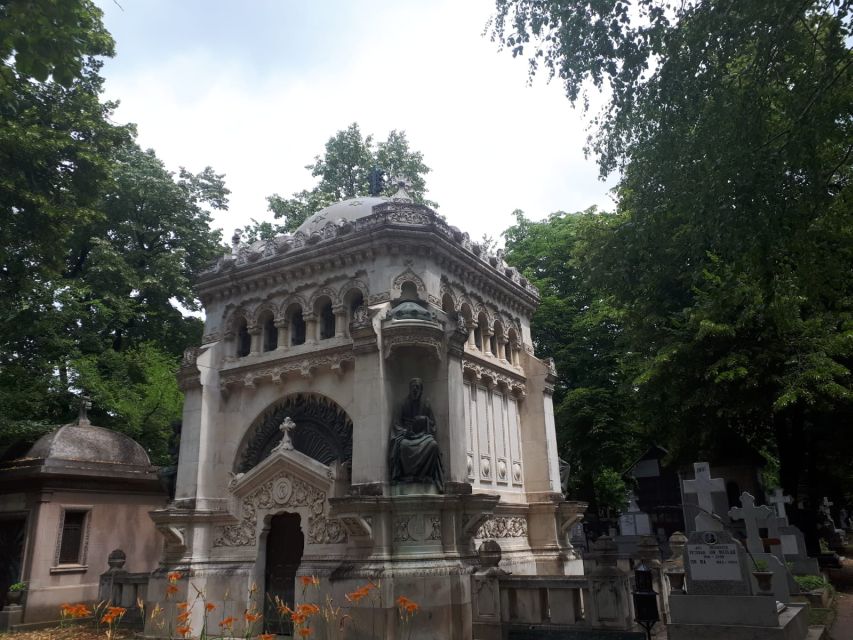
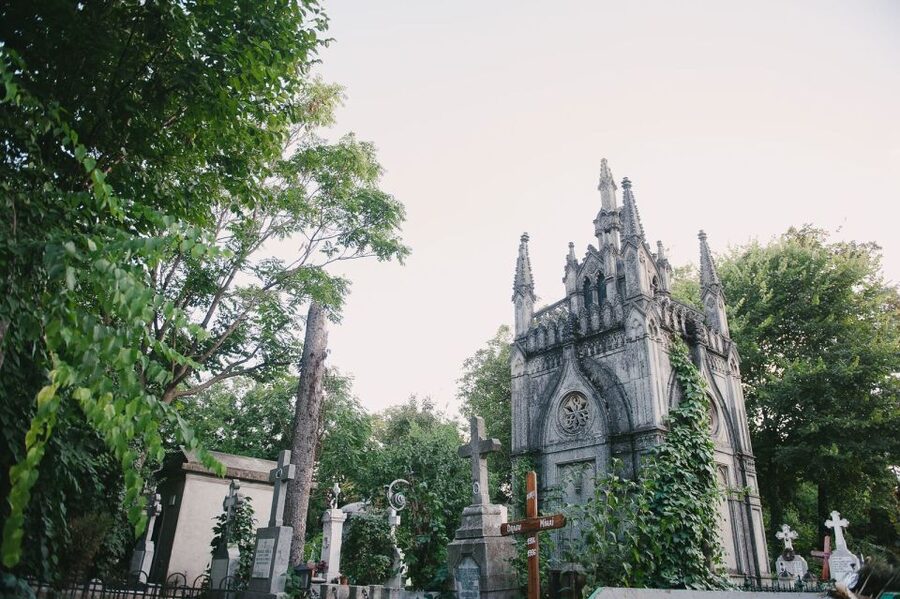
Bellu Cemetery is the tour’s strongest stop. It is a national historical monument, and its paths are lined with tombs, chapels, sculptures, and funerary architecture. The cemetery can feel more like an outdoor gallery than a simple burial ground.
Your guide uses the monuments as story prompts. Expect accounts of famous figures, tragic romances, family histories, death customs, and sinister mysteries. The details vary with the guide, but the central appeal remains the same: you are not merely looking at carved stone. You are hearing why particular graves matter and what they reveal about Romanian society.
I especially like the balance between architecture and folklore. One moment, you may be looking closely at a sculpted angel or an elaborate crypt. The next, the conversation may turn to beliefs about death, mourning, or local legends. That combination gives the cemetery more life than a list of names and dates.
Several guides also care for the animals living around the cemetery. You might see cats or cemetery dogs, and some tours include time to feed or pet them. This is not the main purpose of the visit, but it adds a human and slightly unexpected note to an otherwise sombre setting.
Allow yourself to look closely. Small details matter here, and the guides are praised for drawing attention to features you could easily miss on your own. You should also wear shoes with good support. The cemetery is a walking stop, and the tour as a whole involves plenty of time on foot.
University Square and the blood of 1989
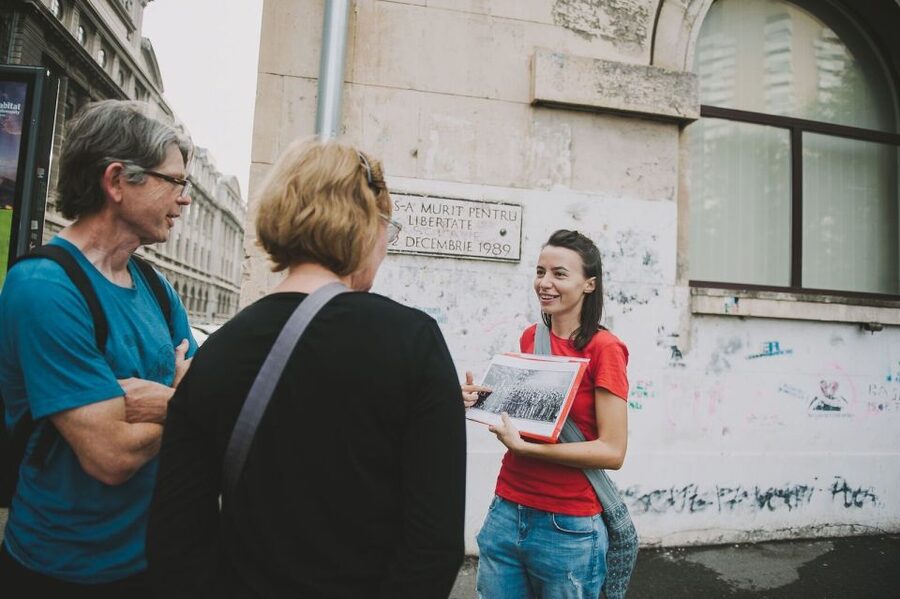
The route then moves to University Square, one of Bucharest’s key public spaces. This is where the tour shifts from older tales and cemetery lore to the political violence of modern Romania.
University Square played an important role during the 1989 Revolution, which brought down Nicolae Ceaușescu’s communist dictatorship. It also became a centre of anti-communist student protests in the 1990s. Both episodes were marked by bloodshed, making the square far more than a central meeting place.
This portion is valuable because it helps you understand how close Romania’s dictatorship really is in time. The communist period is not remote history. Guides can explain the prisons, labour camps, interrogation methods, and torture used to silence critics, along with the fear created by the Securitate, Romania’s secret police.
Personal memories can make this section especially strong. One guide described daily life under communism, while others added social and cultural context. You hear not only about official institutions, but also about the pressure of finding food, managing shortages, and surviving day to day.
The square itself may look ordinary when you arrive. That contrast is part of the point. A place filled with traffic and modern city life can also carry memories of protest, violence, and political change. Pay attention to any physical traces the guide points out, including bullet holes and other small reminders of 1989.
More Heritage Tours in the world:
- Savannah History and Haunts Candlelit Ghost Walking Tour
★ 5.0 · 3,235 reviews - Stockholm: Ghost Walk and Historical Tour
★ 4.7 · 2,685 reviews - New Orleans Small-Group Haunted History Carriage Tour
★ 4.5 · 2,289 reviews - New Orleans Haunted History Ghost Tour
★ 4.5 · 2,084 reviews
Little Paris, brothels, and the Vampire of Bucharest
The tour then jumps back to Bucharest’s interwar period, when the city cultivated a sophisticated image and earned the nickname Little Paris. This section prevents the experience from becoming only a study of communism and revolution.
You learn about the sex trade in interwar Bucharest and see what remains of a former brothel. The stop is not presented as glamorous nostalgia. Instead, it shows another side of city life during a period often remembered mainly for cafés, architecture, fashion, and European ambition.
The story of the serial killer known as the Vampire of Bucharest adds a darker layer. He terrorized the city at the beginning of the 1970s, and the account shows how crime stories fit into the wider atmosphere of the period.
This part will suit you if you enjoy social history as much as political history. It is also where the tour’s title makes the most obvious sense, but the guide keeps the story connected to the city around you rather than turning it into a sensational horror show.
Revolution Square and Ceaușescu’s dictatorship
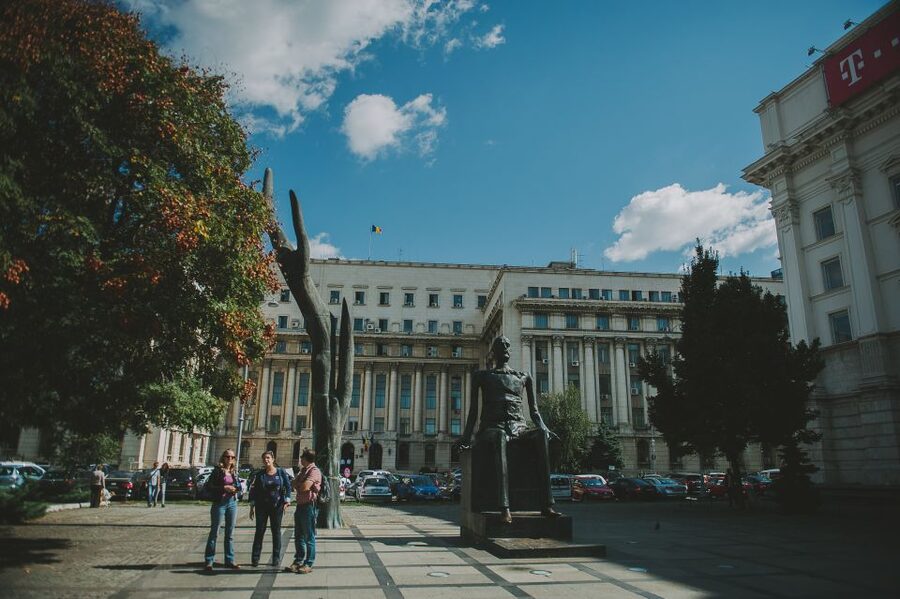
The final major stop is Revolution Square, the place where the 1989 Revolution began in Bucharest. Here, the tour draws together the earlier themes: fear, state power, resistance, imprisonment, and the cost of speaking openly.
The discussion of Ceaușescu’s rule covers the Securitate, political prisons, labour camps, and methods of torture. You also learn about the practical hardship of daily life under the regime. That wider focus matters. A dictatorship is not only a political system. It affects food, work, family life, trust, speech, and the small decisions people make to get through each day.
A good guide will help you connect the square to the earlier stops. Bellu Cemetery shows how Bucharest remembers its dead. University Square shows the public face of protest. Revolution Square brings the story to the moment when the regime began to collapse.
This is likely to be the most emotionally demanding section. If you prefer architecture without politics, or a relaxed overview without difficult subjects, you may find the final part heavy. If you want a clearer understanding of why Romania changed so suddenly in 1989, it is the part you should not skip.
Walking, metro rides, and the three-hour pace
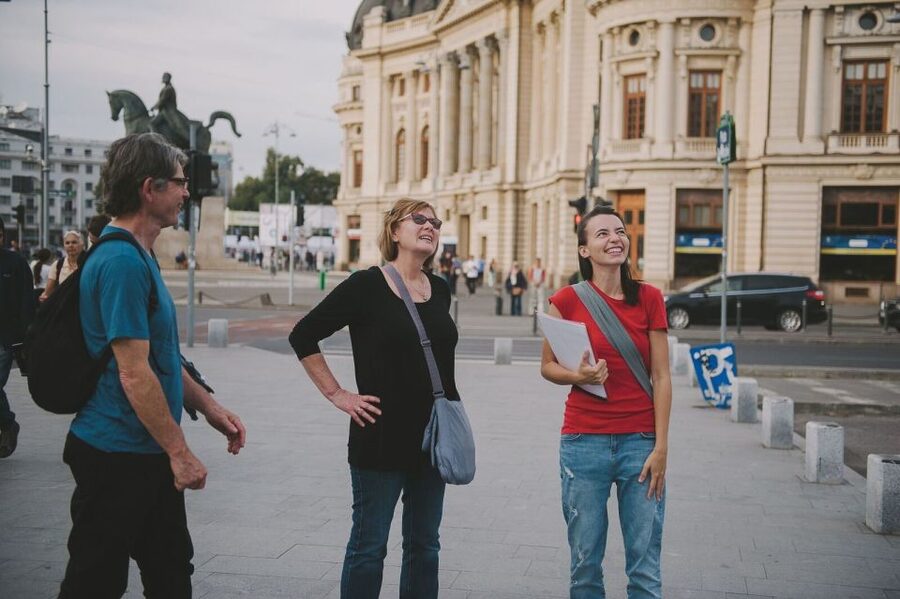
The tour lasts three hours and combines walking with metro travel. Metro tickets are included, so you do not need to sort out local transport during the experience. The route covers several parts of Bucharest, which is why the metro helps link the cemetery area with central historical sites.
Several guides have added short breaks or adjusted the pace when needed. Still, you should treat this as a long walking tour. Comfortable shoes are listed as essential, and that advice is worth taking seriously.
Cold weather deserves special attention. The tour includes outdoor stops where you may stand still while listening, which can feel colder than walking continuously. A warm coat, hat, and gloves are sensible in winter. In summer, water and sun protection would be practical, although only the street snack and metro tickets are included.
The group limit is 12 people. That is small enough for questions and personal conversation without guaranteeing a private tour. Some departures may have only a few people, and a few visitors have ended up with a private or near-private walk. You should see that as a possibility, not a promise.
What the $55 price really gives you
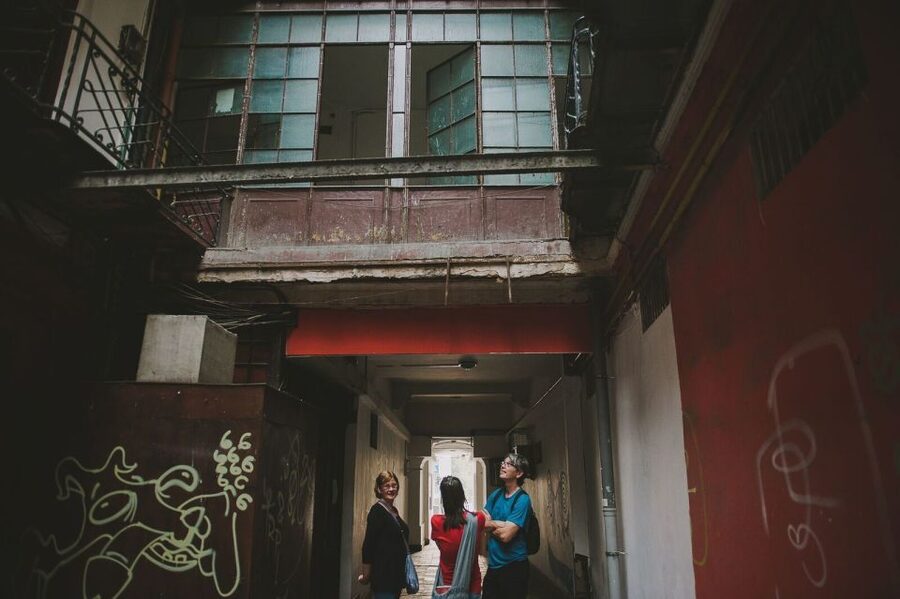
At $55 per person, this is not the cheapest way to spend three hours in Bucharest. The value comes from the guide and the connections between sites, not from expensive entry tickets.
You are paying for an English-speaking local who can explain Romanian history, folklore, architecture, crime, and political memory in one route. Metro tickets are included, as is a traditional street snack. Some guides have also provided water, extra food recommendations, or additional material, but those extras should not be assumed.
The tour is particularly good value if you are new to Bucharest and want a strong historical framework early in your stay. It can also suit repeat visitors who have already seen the standard central sights and want places and stories outside the usual route.
Food, drinks, souvenirs, and personal shopping are not included. You should also remember that the tour’s value depends heavily on the guide’s storytelling. The repeated praise for Alex, Elena, Andra, Vlad, and Irina suggests a strong guiding team, but individual styles will differ.
Free cancellation is available up to 24 hours before the tour for a full refund, and you can reserve now and pay later. The activity is in English, and children under 16 are not permitted.
Who should book this experience?
I would choose this tour if you like history with a human face. It suits you if you want to understand the 1989 Revolution, learn how communism shaped daily life, and hear unusual stories about Bucharest’s social past.
It is also a good choice if standard sightseeing feels too polished. The cemetery, former brothel, bullet holes, street details, and local anecdotes give you a less tidy but more revealing picture of the city.
You should think twice if you dislike walking, standing outdoors, cemeteries, crime stories, or discussions of torture and political repression. The tour is not designed for children under 16, and it is not a substitute for a gentle introduction to Bucharest’s main monuments.
Should you book the Bucharest Dark History Tour?
Yes, if you want a serious, unusual, and locally led introduction to Bucharest. The strongest reasons to book are Bellu Cemetery, the clear focus on 1989 and communism, and the guides’ habit of linking major events to small street-level details.
Book it early in your stay if you want historical context for the rest of your visit. Bring sturdy shoes, dress warmly in cold weather, and arrive ready for difficult subjects. If you prefer a short, comfortable sightseeing loop with little walking, choose another tour. For curious adults who want Bucharest’s stories beneath the postcard surface, this $55 experience offers very good value.
FAQ
How long is the Bucharest Dark History Tour?
The tour lasts three hours.
What language is the tour conducted in?
The tour is conducted in English with a live local guide.
Where does the tour meet?
It meets at the main entrance of the Ion Luca Caragiale National Theatre, at Bulevardul Nicolae Bălcescu 2, București 010051, Romania.
How much does the tour cost?
The listed price is $55 per person.
What is included in the price?
The price includes an English-speaking local guide, metro tickets, and a traditional street snack.
Are food and drinks included?
Only the traditional street snack is included. Additional food and drinks are not included.
Is Bellu Cemetery part of the tour?
Yes. Bellu Cemetery is the main cemetery visit and is a national historical monument.
How many people can join the tour?
The maximum group size is 12 people.
Are children allowed to join?
No. Travelers under 16 years of age are not permitted to join.
What should I bring?
Bring comfortable shoes. Warm clothing is also sensible in cold weather because the tour includes outdoor stops.
Can I cancel for a refund?
Yes. You can cancel up to 24 hours in advance for a full refund.
Can I reserve now and pay later?
Yes. The reserve-now, pay-later option lets you book without paying at the time of reservation.
More Three-Hour Tours in the world
- 3 Hour Savannah Theatre Paranormal Investigation
★ 5.0 · 31 reviews - 3 Hour Walking Food & Haunted History Tour in Lexington
★ 5.0 · 18 reviews - 3 Hour Ghost Bus Tour in Hollywood and Downtown Los Angeles
★ 4.5 · 8 reviews - Haunted Bog road tour. Galway. Private guided. 3 hours
★ 3.0 · 2 reviews
Newly added around the world
- Zion: Harry Potter-Inspired Zion Ghost Tour with Sunset View★ 5.0 · 8 reviews
- York : Private Ghost Hunt★ 5.0 · 3 reviews
- Your evening in Venice – Legends&Ghosts&Aperitif★ 4.7 · 79 reviews
- York’s Haunted Heart : Ghost, Ghouls and Gallows★ 4.6 · 82 reviews
- Witches, Widows, & Wraiths: Wichita Ghost Tours★ 5.0 · 2 reviews
- Wraiths of the West Texas Wind: El Paso Ghost Tour★ 4.5 · 9 reviews
- Witches, ghosts and executioners / Mystical North Hesse★ 4.4 · 4 reviews
- Wraiths & Wicked Whispers: Wilmington Ghost Tour★ 4.2 · 25 reviews
3-Hour Experiences, compared.
3 Hour Savannah Theatre Paranormal Investigation
Read our review →
3 Hour Ghost Bus Tour in Hollywood and Downtown Los Angeles
Read our review →
Browse the lists this tour appears in