
REVIEW · VIETNAM GHOST TOURS
Ho Chi Minh City: Ghost, Belief & Culture Tour on Motorbike
Ghost stories meet daily life. This motorbike tour gives you a different view of Ho Chi Minh City, mixing Buddhist belief, funeral customs, local legends, and a famous protest monument. I like the small-group motorbike format, which lets you cover more ground than a walking tour, and I like the simple local break for bánh mì and coffee, juice, or a smoothie. The main drawback is that a few stops may feel confronting, especially the funeral house, and riding on a motorbike is not ideal for everyone.
At $16 per person, this is a strong-value introduction to parts of the city that standard sightseeing tours often skip. Vincent, Danny, and Wibu have all been praised for making the ride fun and informative, but you should note the physical limits: the tour is not suitable for people with back problems or anyone over 70.
Key things to know before booking
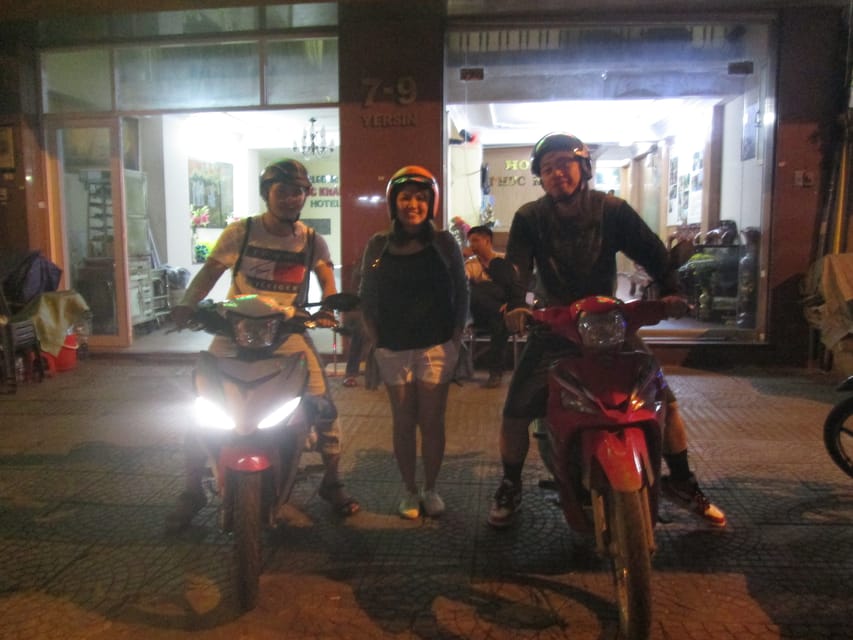
- The tour uses motorbikes to connect several central sites, making a two to four-hour outing feel varied rather than confined to one neighborhood.
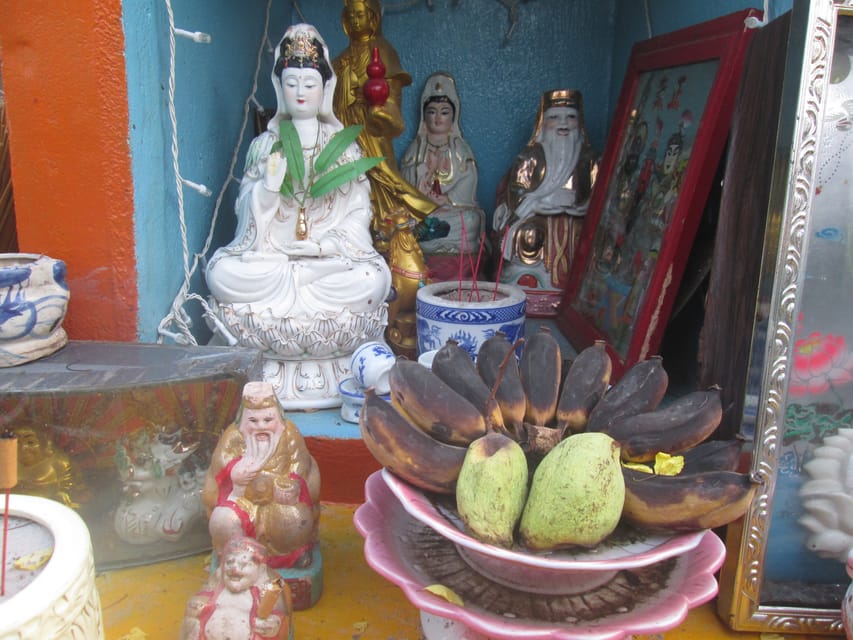
- The pagoda stop explains Vietnamese worship, including Buddhist ideas, local gods, and the circle of life.
- The funeral house offers a close look at customs, but it can be an emotionally serious part of the visit.
- The Ghost Building in Chinatown is linked to feng shui, giving the ghost stories a local cultural setting.
- Bánh mì and a local drink are included, so the food stop is part of the price, not an extra purchase.
- The Thich Quang Đức monument adds real historical weight, connecting belief and protest in 1963.
Why this motorbike tour feels different
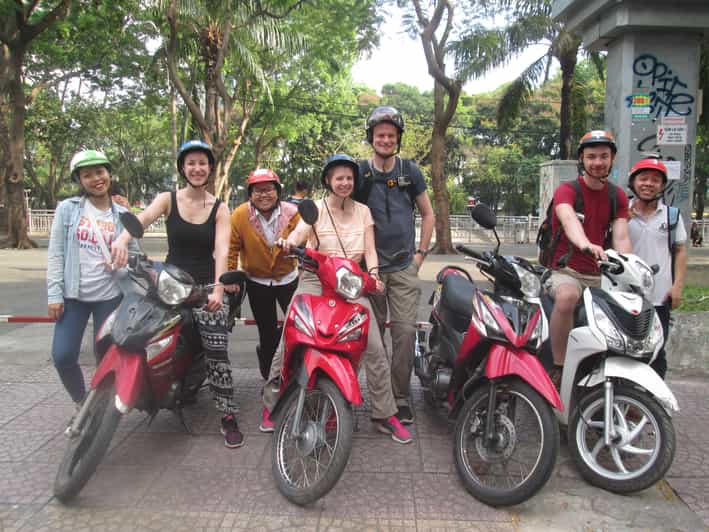
Ho Chi Minh City has plenty of city tours, but many follow the same path: market, museum, church, palace, and photo stop. This experience takes a stranger route. You move through religious, family, and neighborhood spaces where local beliefs are still part of everyday life.
The ghost stories are not presented as a stand-alone haunted-house show. They sit beside Buddhist beliefs, funeral rituals, feng shui, and stories told by the drivers themselves. That mix is what gives the outing value. You are not only hearing about ghosts. You are learning why spiritual ideas remain important in Vietnamese homes and communities.
I also like the scale. The price is $16 per person, with a motorbike, fuel, helmet, poncho if needed, guide, insurance, food, and drink included. That is a lot of coverage for a short city outing. You are paying for local transportation and interpretation, not simply for a guide to walk you between two buildings.
The experience runs for two to four hours, so the exact pace may vary. A shorter version should suit you if you want a quick evening activity or a first look at local culture. A longer version gives the stops more breathing room and allows more time for stories.
A few more hauntings around the world worth booking
- New Orleans Premier Ghost, Voodoo and Vampire Walking Tour
★ 4.5 · 12,856 reviews - The World Famous Underground Ghost Tour
★ 4.5 · 9,272 reviews - Chicago: Gangsters and Ghosts Walking Tour
★ 5.0 · 7,155 reviews
Riding through Ho Chi Minh City by motorbike
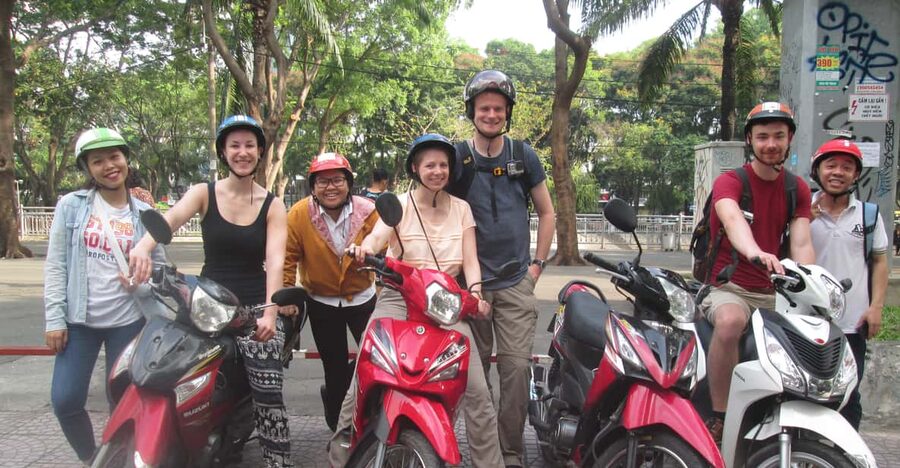
The motorbike is more than a way to get from place to place. It shapes the whole outing. From the back seat, you see the city at street level, with quick changes between major roads, narrow local areas, religious buildings, and Chinatown.
Your English-speaking driver and guide handles the riding while you look around. Helmets are included, and a poncho is available if needed. The company also offers female áo dài riders for an extra $10 per person, which may appeal if you want a more traditionally dressed guide for the ride.
This is not the right choice for every body. Long periods seated on a motorbike can bother anyone with back trouble, and the operator does not recommend it for people over 70. If you want the route without riding, a car is available, though it costs much more: $50 extra for a seven-seat car or $70 extra for a 16-seat van. Those vehicles must be booked at least 24 hours ahead.
Pickup is free from hotels in Districts 1, 3, and 4. If you stay elsewhere, you can meet at the Saigon Opera House at 07 Quảng Trường Lam Sơn in District 1, or pay a $5 per person pickup surcharge. Check this point before booking, since a cheap tour becomes less cheap when extra transport is added.
The pagoda and the Vietnamese circle of life
The first major stop is a pagoda, where your guide explains Buddhism and the way local worship can include several kinds of gods and spiritual figures. This is a useful start because it gives the later ghost stories a cultural frame.
You may hear about the circle of life and how people understand death, remembrance, and spiritual protection. The stop is less about trying to turn you into a Buddhist and more about showing how religious ideas fit into ordinary life.
I would pay close attention here and ask questions. The guide is the main value of this part. Sally from Australia specifically praised Vincent for his strong English, good humor, and ability to explain a side of Ho Chi Minh City she had not encountered on earlier visits. That is exactly the sort of guide you want for a subject that can be difficult to explain through signs or guidebooks.
Remember that this is an active religious site, not a theater set. Dress and behave respectfully, keep your voice down, and follow your guide’s advice about where to stand. The tour information does not give a detailed dress code, so modest clothing is the sensible choice.
The funeral house and its serious customs
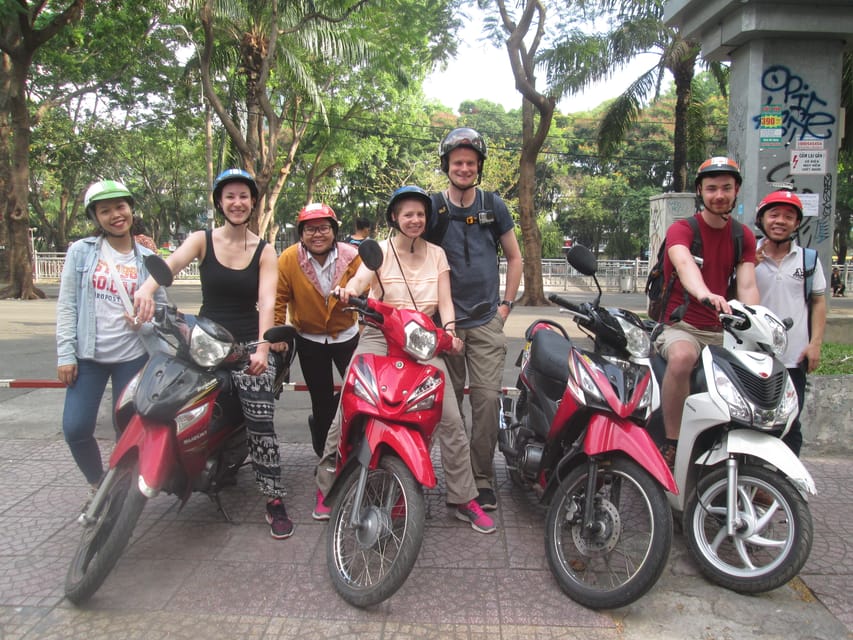
The funeral house is likely to be the most unusual stop. You walk inside and may witness funeral ceremonies while the guide explains local customs. You also hear ghost stories and personal experiences connected with the place.
This part can be meaningful because it shows death as a community event rather than a subject kept out of sight. At the same time, it is not light sightseeing. A real family may be grieving, and the setting calls for tact. Follow instructions closely, avoid treating the ceremony like a photo opportunity, and be prepared for the mood to change from playful ghost tales to something much more solemn.
The wording of the experience says you will witness some funeral ceremonies, but ceremonies are real events and can vary. Do not assume every visit will look the same. The guide’s explanation is likely to be as important as what you see.
If you prefer attractions that are cheerful and predictable, this stop may not suit you. If you want to understand local customs beyond temples and monuments, it may be the most revealing part of the route.
Same streets, an entirely different kind of scare:
- Edinburgh: Haunted Underground Vaults and Graveyard Tour
★ 4.6 · 6,607 reviews - Adults-Only New Orleans Ghost, Crime, Voodoo, and Vampire Tour
★ 5.0 · 6,545 reviews - Prague: Ghost Walking Tour Where Legends Come To Life
★ 4.4 · 5,253 reviews - Prague: Ghosts, Legends, Medieval Underground & Dungeon Tour
★ 4.3 · 5,104 reviews
Chinatown and the Ghost Building
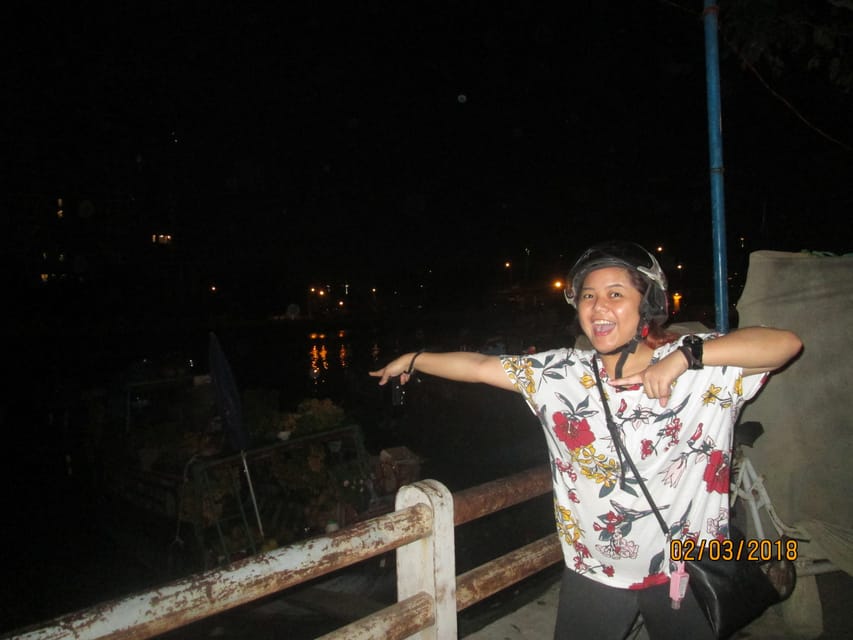
The tour continues to Chinatown and the so-called Ghost Building, described as an abandoned building connected with feng shui. Here, the focus shifts from formal religious practice to a neighborhood legend.
The building gives the guide a physical setting for stories about bad luck, spiritual unease, and the way feng shui can influence decisions about land and buildings. The important point is not proving that the place is haunted. It is seeing how belief can affect the way people interpret a site and its future.
This stop should appeal to anyone who enjoys folklore with a local explanation. You get a story tied to a real building in a major district, rather than a collection of imported horror tales. Still, do not expect a restored attraction or a staged haunted house. The appeal comes from the building’s abandoned character and the story attached to it.
Chinatown also helps break up the religious focus of the earlier stops. You are moving through a part of the city shaped by Chinese-Vietnamese culture, then stopping for a story about feng shui. The result feels more connected to the city than a simple list of spooky locations.
Bánh mì, coffee, juice, or a smoothie
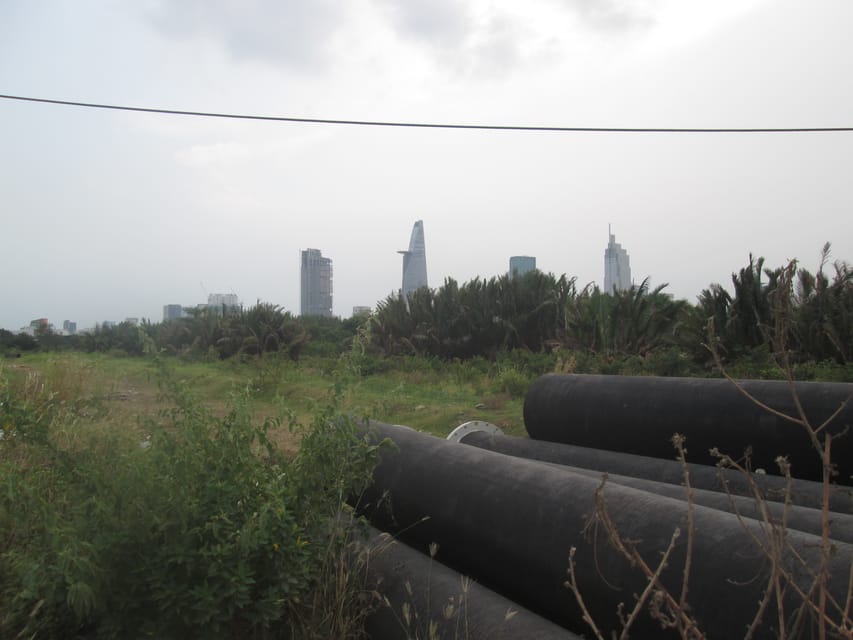
The food stop is simple and practical. You receive a Vietnamese bánh mì and one local drink, with coffee, juice, or a smoothie listed as the choices.
That may not sound like a full meal, but it is a good fit for a two to four-hour tour. Bánh mì is easy to eat, familiar enough for first-time visitors, and strongly tied to everyday Vietnamese food culture. The local coffee option also gives you a chance to pause and watch ordinary city life instead of racing from one stop to the next.
Food preferences are not detailed in the tour information, so ask about ingredients if you have allergies or dietary restrictions. Personal expenses are not included, which means additional food or drinks would be your responsibility.
I see this break as part of the cultural idea of the tour. You are not being taken to a formal restaurant. You stop at a local coffee shop and eat in the way people commonly do during the day. It is modest, but it helps the tour feel grounded.
The Thich Quang Đức monument
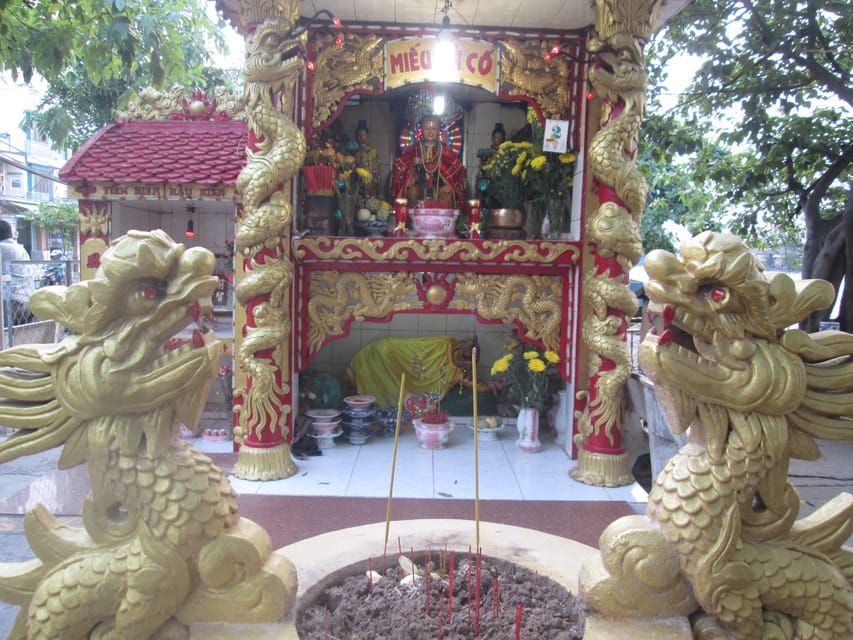
The final listed stop is the Thich Quang Đức monument. In 1963, the Buddhist monk burned himself to protest the persecution of Buddhists. The monument gives the tour a serious closing point and connects religious belief to political action.
This is an important contrast with the ghost stories. The tour is not only about supernatural tales. It also asks you to think about how faith, public protest, and memory shape a city.
Your guide can help explain why the monument matters, especially if you know little about Vietnam’s modern history. The supplied information does not give a full account of the event, so expect an introduction rather than a long history lesson. If this subject interests you, treat the stop as a starting point for further reading.
I like ending here because it adds substance. After hearing stories about spirits and sacred places, you are brought back to a documented event with a visible memorial. It keeps the outing from becoming a novelty ride.
The guides make or break the experience
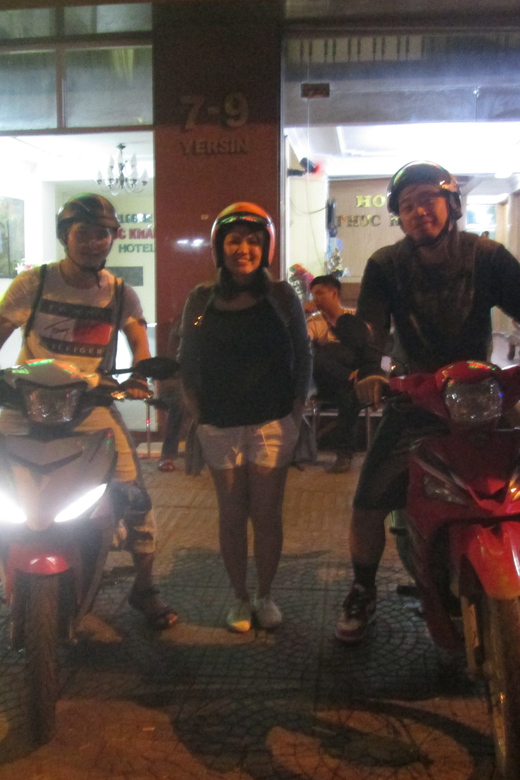
The strongest praise has gone to the guides’ English, friendliness, humor, and storytelling. Vincent was praised for explaining an unfamiliar side of the city clearly. Danny and his team were singled out for an excellent tour, interesting stories, and an exhilarating motorbike ride. Wibu was described as friendly and capable of making the city tour memorable.
Those details matter. A ghost story can be entertaining on its own, but the best version explains why the story exists and what it says about local life. You want a guide who can move between Buddhist ideas, funeral customs, feng shui, and the 1963 protest without making the tour feel like four unrelated talks.
The tour can be private or arranged for a small group. A private version costs $5 extra per person. That may be worthwhile if you have many questions, prefer a slower pace, or want more control over the mood at the more serious stops.
The listed rating is 5 out of 5 from five bookings, a small sample but a consistently positive one. The most praised qualities are the guides and the unusual subject matter, not luxury or polished staging. Book it for the people and the access, not for comfort or grand production.
Price, pickup, and practical value
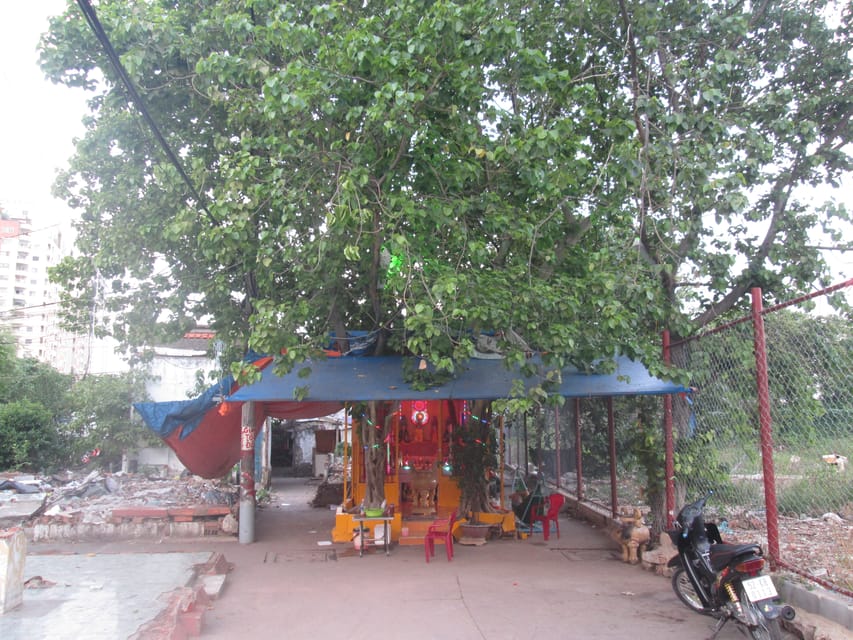
At $16 per person, the standard tour includes a surprising amount: hotel pickup and return in selected districts, motorbike and fuel, helmet, poncho if required, English-speaking guide, insurance, bánh mì, and a drink.
The value is best if you are staying in District 1, 3, or 4, since pickup and drop-off are included there. If you stay outside those areas, the $5 per person surcharge is modest, but you should add it to your budget. You can also use the meeting point at the Saigon Opera House.
Private touring adds $5 per person. Car options cost much more, so they make sense mainly for people who cannot or do not want to ride. Holiday surcharges can also be substantial. The operator lists a 100 percent surcharge for the two-hour tour and 50 percent for other tours on specified Vietnamese public holidays, including Lunar New Year, April 7, April 30 to May 1, September 1 to 2, and December 31 to January 1.
Free cancellation is available up to 24 hours before departure, and you can reserve now and pay later. Starting times depend on availability. These flexible terms help if your Ho Chi Minh City plans are still shifting.
Who should book this experience
I would recommend this tour to you if you:
- Want an unusual introduction to Ho Chi Minh City
- Enjoy folklore, religion, and local customs
- Prefer seeing several neighborhoods by motorbike
- Like small-group or private guiding
- Are comfortable visiting a funeral house and hearing serious stories
- Want a low-cost activity with food included
I would think twice if you have back problems, dislike motorbike travel, or want a polished sightseeing route with no emotionally difficult moments. The funeral house may be too intense for some people, and the tour’s subject matter is not designed for a carefree sightseeing mood from start to finish.
You should also choose the car option if riding is not suitable, but confirm the surcharge and book it at least 24 hours ahead. The operator says the price can change during holidays, festivals, and special dates.
Should you book the Ghost, Belief & Culture Tour?
Book it if you want to see Ho Chi Minh City through stories about belief, death, memory, and neighborhood tradition. The $16 price is hard to fault when it includes transport, guide, helmet, insurance, bánh mì, and a drink.
I especially like the way the route balances playful ghost tales with serious places such as the funeral house and Thich Quang Đức monument. Just go with an open mind, respect the religious and funeral settings, and understand that the motorbike ride is part of the experience, not merely a transfer.
If you prefer a standard city highlights tour, choose something else. If you want an affordable, personal, slightly eerie look at local culture, this is a smart pick.
FAQ
How long does the tour last?
The tour lasts between two and four hours. Starting times depend on availability.
What is included in the price?
The price includes the motorbike, fuel, helmet, poncho if required, English-speaking driver and guide, insurance, bánh mì, and Vietnamese coffee, juice, or a smoothie.
Is hotel pickup included?
Free pickup and drop-off are available for hotels in Districts 1, 3, and 4. You can also meet at the Saigon Opera House in District 1.
What if my hotel is outside Districts 1, 3, and 4?
You can use the meeting point, or pay a $5 per person surcharge for hotel pickup outside the free pickup area.
Can I book a private tour?
Yes. Private and small-group options are available. The private option has a $5 surcharge per person.
Can I take a car instead of a motorbike?
Yes. A seven-seat car costs an additional $50, while a 16-seat van costs an additional $70. The car or van must be booked at least 24 hours in advance.
Is the tour suitable for people with back problems?
No. The tour is listed as unsuitable for people with back problems and for people over 70.
Can I cancel the booking?
Yes. You can cancel up to 24 hours before the tour for a full refund. The reserve-now, pay-later option is also available.
Newly added around the world
- Zion: Harry Potter-Inspired Zion Ghost Tour with Sunset View★ 5.0 · 8 reviews
- York : Private Ghost Hunt★ 5.0 · 3 reviews
- Your evening in Venice – Legends&Ghosts&Aperitif★ 4.7 · 79 reviews
- York’s Haunted Heart : Ghost, Ghouls and Gallows★ 4.6 · 82 reviews
- Witches, Widows, & Wraiths: Wichita Ghost Tours★ 5.0 · 2 reviews
- Wraiths of the West Texas Wind: El Paso Ghost Tour★ 4.5 · 9 reviews
- Witches, ghosts and executioners / Mystical North Hesse★ 4.4 · 4 reviews
- Wraiths & Wicked Whispers: Wilmington Ghost Tour★ 4.2 · 25 reviews
Vietnam Ghost Tours, compared.
HCM city Chinatown Landscape, Beliefs & ghost tour by scooter
Read our review →
Hue to Hoi An by Private Car via City of Ghost, Monkey Mountain
Read our review →
Saigon Ghost beliefs tour, Chinatown sightseeing by scooter
Read our review →
Hue : Private Car to Hoi An via HaiVan pass & City of Ghosts
Read our review →Browse the lists this tour appears in