REVIEW · USA GHOST TOURS
Kailua-Kona Haunted History Walking Ghost Tour
Kona’s past gets stranger after sunset. I like this tour for its strong Hawaiian history focus and its route through major downtown landmarks, including Huliheʻe Palace and Mokuaikaua Church. I also like that guides such as Heather, Gabby, Tricia, and Cosmin have been praised for answering questions and adding personal stories. The main catch is that this is often more cultural and historical than frightening, and the experience can depend heavily on which guide leads your group.
At $59 per person, the tour makes the most sense if you want context you would miss while walking Kona on your own. You will hear legends, spiritual beliefs, hotel ghost stories, and accounts tied to old Hawaiian customs. If you want nonstop scares, theatrical effects, or a tightly scripted haunted attraction, this may feel too gentle. If you enjoy folklore with your history, it is a better fit.
Key points to know before booking
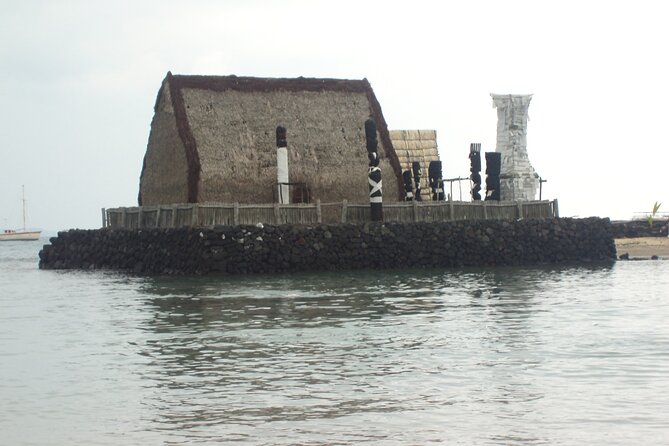
- Eight downtown Kona stops: The route includes Kailua Pier, Kamakahonu, Huliheʻe Palace, Kona Inn Shopping Village, Mokuaikaua Church, Kamakahonu Beach, and other nearby sites.
- History comes first: Expect Hawaiian culture, religion, legends, and local stories alongside the ghost material.
- Guides make a major difference: Heather, Gabby, Tricia, and Cosmin have been singled out for warm storytelling and strong answers to questions.
- A two-hour evening walk: The tour begins at 5:30 p.m. and returns to the starting point.
- Small groups are possible, but not guaranteed: The maximum is 30 people, though one outing had only four participants.
- Cancel at least 24 hours ahead: You receive a full refund if you cancel before that deadline. Poor weather can also lead to a refund or another date.
Why Kona’s ghost stories need Hawaiian context
This is not simply a walk from one supposedly haunted building to another. The stories are tied to Hawaiian ideas about gods, spirits, warnings, sacred objects, death, and the connection between the physical and spiritual worlds.
That matters because some subjects may be unfamiliar to you. The tour discusses kiʻi akua, or large wooden images connected with Hawaiian worship, along with pōhaku, the Hawaiian word for stone or rock. You may also hear about sacred artifacts, human sacrifice, traditional beliefs, and unusual events connected with the sea.
The material is presented as cultural history and local folklore, not as a promise that you will see a ghost. One guide apparently made clear that he did not believe in paranormal activity, which weakened the experience for someone expecting a classic ghost tour. That is an important warning. The tone may range from spiritual and respectful to spooky, depending on the guide.
The strongest outings seem to treat the supernatural stories as a doorway into Hawaiian culture. That approach gives the tour more substance than a series of unconnected scares. It also means you should arrive ready to listen, ask questions, and consider how local beliefs shape the stories.
More Ghost Walking Tours in the USA
- New Orleans Premier Ghost, Voodoo and Vampire Walking Tour
★ 4.5 · 12,856 reviews - Chicago: Gangsters and Ghosts Walking Tour
★ 5.0 · 7,155 reviews - Savannah History and Haunts Candlelit Ghost Walking Tour
★ 5.0 · 3,235 reviews
Starting at the Courtyard by Marriott at 5:30 p.m.
The meeting point is the Courtyard by Marriott King Kamehameha’s Kona Beach Hotel at 75-5660 Palani Road. The walk begins at 5:30 p.m. and ends at the same location.
Starting here is practical. You do not need to arrange transportation between stops, and the route keeps you in the central Kailua-Kona area. The tour is offered in English, uses a mobile ticket, and allows service animals. Public transportation is nearby.
The tour lasts about two hours. Each of the eight listed stops is planned for roughly 15 minutes, though actual timing can change as the guide responds to questions or adjusts the route. The group limit is 30 people. That is manageable for a walking tour, but a full group may make it harder to hear, especially if the guide is not careful about positioning.
Wear comfortable shoes and bring water. The walking itself is not described as difficult, and most people can participate, but you are on your feet for the full experience. Since the tour takes place in the evening, bring anything you normally need for a night walk.
Kailua Pier and the ghost of the Mauna Loa
The first stop is Kailua Pier, where the oceanfront setting gives the tour an immediate sense of place. Here, the guide tells turn-of-the-century stories connected with the steamship Mauna Loa and a ghost described as choking.
The tale also raises the curious subject of ʻōkolehao, a ti leaf liquor once associated with Hawaii. The question of whether it could have served as a cure adds an unusual medical and cultural detail to the story.
This stop should appeal to you if you like maritime history mixed with folklore. The pier is also a useful orientation point because it shows how closely Kona’s history is tied to the water. Do not expect a long independent visit or an admission experience. The stop is brief, and the value comes from the guide’s explanation.
Kamakahonu and Kamehameha’s final home
Next comes Kamakahonu National Historic Landmark, a place connected with King Kamehameha and the compound where he died in 1819. The story has political and spiritual weight, and the guide discusses the meaning of the large wooden kiʻi akua.
This is one of the tour’s most valuable stops for anyone who wants more than a spooky anecdote. You get a glimpse of how power, worship, place, and death intersected in Hawaiian history. The guide may also help you understand why objects and locations can carry importance beyond their physical appearance.
The stop lasts about 15 minutes, so you will not receive a full museum-style lecture. Still, it gives you a useful framework for the rest of the walk. Once you understand that certain places and objects may be regarded as sacred, the later stories about spirits and warnings make more sense.
Same streets, an entirely different kind of scare:
- Adults-Only New Orleans Ghost, Crime, Voodoo, and Vampire Tour
★ 5.0 · 6,545 reviews - Salem’s Best Ghost Tour
★ 4.5 · 4,186 reviews - Haunted Evening Horse and Carriage Tour of Charleston
★ 4.5 · 3,678 reviews - New Orleans Adults-Only Ghost, Voodoo and Vampire Tour
★ 5.0 · 3,291 reviews
Huliheʻe Palace and the power of sacred objects
At Huliheʻe Palace, the focus turns to artifacts and their spiritual importance. The guide asks you to consider the secret power of some of the museum’s most sacred objects and explains the meaning of pōhaku.
The palace stop is especially helpful if you might otherwise see historic objects only as decorations. Hawaiian material culture can carry religious and political meaning, and the tour encourages you to think about what an object represented to the people who used or respected it.
Admission to the listed stop is free as part of the walking route, but the tour should not be treated as a full palace visit. The emphasis is on the stories connected with the site rather than an extended museum tour. If you want to explore the palace interiors in detail, plan that separately.
Kona Inn Shopping Village and a sports legend
The route then reaches Kona Inn Shopping Village, a former hotel with its own collection of strange stories. You will hear about unusual events connected with the property and the special heritage of a Hawaiian sports legend. The guide also asks whether the person’s abilities could have been supernatural.
This stop gives the tour a different flavor. Instead of focusing only on royalty, churches, or ancient beliefs, it connects local fame with modern memory and hotel history. Former hotels are natural settings for ghost stories because they bring together generations of people, private rooms, illness, celebrations, and sudden departures.
The quality here depends on storytelling. One of the tour’s strengths is the chance to ask for more background rather than simply moving from point to point. If you are curious about the sports figure or the old hotel, ask. Guides who enjoy questions appear to get the most from this part of the walk.
Mokuaikaua Church and stories of strange fish
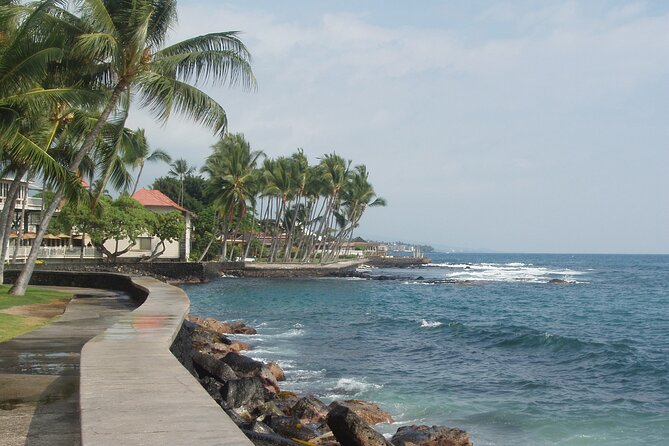
Mokuaikaua Church is identified as the first Christian church in Hawaii. Here, the guide moves into stories about miracles, religious change, and fish that suddenly behave in strange ways.
This stop brings two belief systems into conversation without reducing either one to a punchline. You may hear how Christian traditions entered Hawaii while local stories and spiritual ideas continued to shape how people understood unusual events.
The fish stories keep the stop lively, but the more useful point is how communities explain things they cannot immediately account for. That is a recurring theme on this tour. The supernatural material works best when it opens a window onto how people understood nature, death, religion, and danger.
Hotel stories at the Kona Beach Hotel
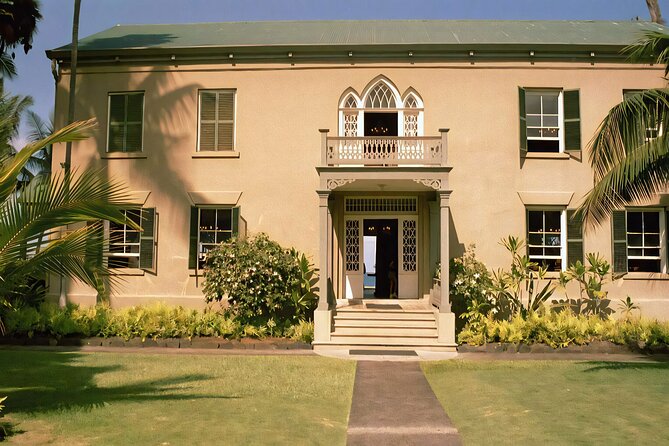
The walk returns to the Courtyard by Marriott King Kamehameha’s Kona Beach Hotel for stories about spirited hotel stays along the Kona Coast. This is both the starting and ending point, so the location becomes part of the narrative rather than just a place to meet.
Hotel ghost stories are familiar territory, but they can be effective when tied to a specific building and local setting. The guide discusses who may haunt the coast and what earlier occupants or visitors supposedly experienced.
This is also a useful point to judge the tone of your particular guide. Some guides appear comfortable blending personal experience with local accounts. Others may focus more on factual history than paranormal claims. If you want a stronger ghost angle, ask early in the tour how the guide approaches the stories.
Kamakahonu Beach and unexplained lights
At Kamakahonu Beach, the subject turns to unidentified flying objects seen from the shore. The tour asks whether these sightings might be gods, warnings, spirits of the dead, or something connected with a dreaded curse.
The wording suggests mystery, but do not assume this means a modern UFO investigation. The stories are placed within Hawaiian spiritual and cultural ideas. That makes this stop more interesting than a simple claim that strange lights appeared in the sky.
The beach also provides a change of setting after several historic buildings. You are still close to the center of Kona, but the shore gives the stories a wider horizon. The sea, sky, and darkness naturally make room for tales about signs and spirits.
Lost Coast Tattoo Studio and the spiritual meaning of tattoos
The final listed stop is Lost Coast Tattoo Studio. Here, Hawaiian tattoos are presented as more than body decoration. They reflect a belief in the connection between the physical and spiritual worlds.
This is a strong ending because it brings ancient ideas into the present. You are not left with the impression that Hawaiian spirituality belongs only to historic sites or old legends. The subject remains relevant in contemporary culture, where tattoos can express identity, protection, ancestry, status, or spiritual meaning.
The stop may be particularly interesting if you already have an interest in Hawaiian design or cultural practices. It also reinforces the tour’s central idea: symbols, objects, places, and bodies can all carry meaning that is not visible at first glance.
How good are the guides?
The guide is the biggest variable. Heather has been praised for being personable and for explaining cultural significance. Gabby has earned strong comments for mixing local stories with history, answering questions, and sharing personal experiences. Tricia was singled out for her ability to discuss Hawaiian history, culture, and religion at length. Cosmin was praised for storytelling and personal insight.
That pattern tells me you should use the question period. Ask about customs, beliefs, the landmarks you pass, or the difference between a traditional legend and a modern ghost account. The best version of this tour is interactive rather than delivered as a memorized speech.
There have also been complaints about a guide being disorganized, difficult to hear, and prone to unrelated personal stories. Another outing felt random and ended early because the guide’s approach did not match the advertised ghost-tour mood. Those accounts are not minor details. A walking tour lives or dies by organization, volume, pacing, and focus.
Is $59 a fair price?
At $59 per person, this is not the cheapest way to walk downtown Kona. You can see the pier, beaches, churches, and surrounding streets without paying for admission to this route. The price is paying for interpretation, local stories, and the chance to connect several places into one narrative.
I think the value is fair if you would otherwise pass through these sites without understanding their cultural meaning. It is less convincing if you mainly want entertainment or a series of frightening encounters. The tour includes no listed admission fees, so the guide and storytelling are the main product.
A strong guide can make $59 worthwhile. A weak one can make the same price feel excessive. The fact that groups may be as large as 30 makes guide quality and audibility especially important.
Who should book this Kona ghost walk?
I would recommend it to you if you enjoy:
- Hawaiian history and spiritual beliefs
- Local legends connected with real places
- Evening walks with plenty of time for questions
- Cultural context rather than theatrical scares
- A compact introduction to central Kailua-Kona
- Stories about churches, palaces, hotels, beaches, and the sea
I would be cautious if you need a consistently scary experience. The tour has ghost stories, but its stronger identity is historical and cultural. One participant described it as more historical than ghostly, and that is a fair expectation to carry with you.
The experience can suit families, couples, solo visitors, and small groups. Most people can participate, and service animals are allowed. If you have mobility concerns, confirm that the walking route works for you before booking, since the tour lasts about two hours and moves among multiple downtown sites.
Free cancellation is available up to 24 hours before the 5:30 p.m. start time. Within 24 hours, changes and cancellations are not accepted for a refund. If poor weather forces a cancellation, you are offered another date or a full refund.
Should you book the Kailua-Kona Haunted History Walking Ghost Tour?
Book it if your idea of a ghost tour includes Hawaiian culture, sacred places, local legends, and a few unsettling stories. You will see many central Kona landmarks in one evening and gain useful context for places you might otherwise glance at and leave.
Skip it if you want actors, jump scares, paranormal equipment, or a guaranteed focus on ghosts. The tour’s best qualities are its setting, subject matter, and strong guides. Its main weakness is inconsistency between guides.
My practical advice is to book when you have an open evening near the start of your Kona stay. You will get your bearings, learn the meaning behind several important sites, and know what questions to ask when you return to explore them on your own.
FAQ
How long is the Kailua-Kona Haunted History Walking Ghost Tour?
The tour lasts approximately two hours.
What time does the tour start?
The tour starts at 5:30 p.m.
Where does the tour begin and end?
It begins at the Courtyard by Marriott King Kamehameha’s Kona Beach Hotel at 75-5660 Palani Road in Kailua-Kona and ends back at the same meeting point.
What language is the tour offered in?
The tour is offered in English.
How many people can join the tour?
The maximum group size is 30 people.
Is the tour suitable for most people?
Most people can participate, and service animals are allowed. The experience is a walking tour lasting about two hours.
What is the cancellation policy?
You can cancel at least 24 hours before the start time for a full refund. Cancellations or changes made within 24 hours are not refunded. If poor weather causes the tour to be canceled, you are offered another date or a full refund.
More Heritage Tours in the USA
- New Orleans Small-Group Haunted History Carriage Tour
★ 4.5 · 2,289 reviews - New Orleans Haunted History Ghost Tour
★ 4.5 · 2,084 reviews - Genteel and Bard’s Savannah Dark History and Ghost Encounter Walking Tour
★ 5.0 · 1,546 reviews - The Historic Galveston Ghost Tour
★ 5.0 · 1,524 reviews
Newly added around the USA
- Zion: Harry Potter-Inspired Zion Ghost Tour with Sunset View★ 5.0 · 8 reviews
- Wraiths of the West Texas Wind: El Paso Ghost Tour★ 4.5 · 9 reviews
- Witches, Widows, & Wraiths: Wichita Ghost Tours★ 5.0 · 2 reviews
- Wraiths & Wicked Whispers: Wilmington Ghost Tour★ 4.2 · 25 reviews
- Wilmington: Boos and Booze Haunted Pub Crawl★ 4.0 · 8 reviews
- Wild West Ghost Tour★ 4.6 · 3 reviews
- Williamsburg: Echoes of Twilight Late-Night Ghost Tour★ 4.6 · 13 reviews
- Washington D.C.: Dark Nights in D.C. Ghost Tour★ 4.5 · 33 reviews
USA Ghost Tours, compared.
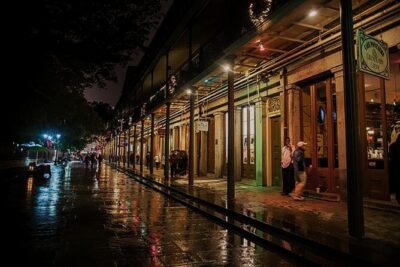
New Orleans Premier Ghost, Voodoo and Vampire Walking Tour
Read our review →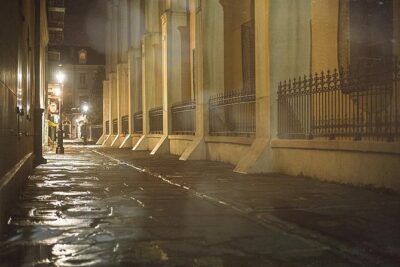
Adults-Only New Orleans Ghost, Crime, Voodoo, and Vampire Tour
Read our review →
Haunted Evening Horse and Carriage Tour of Charleston
Read our review →
Savannah History and Haunts Candlelit Ghost Walking Tour
Read our review →
Ghosts of Charleston Night-Time Walking Tour with Unitarian Church Graveyard
Read our review →