
REVIEW · CHICAGO GHOST TOURS
Prairie Avenue Haunted History Tour and Ghost Hunt
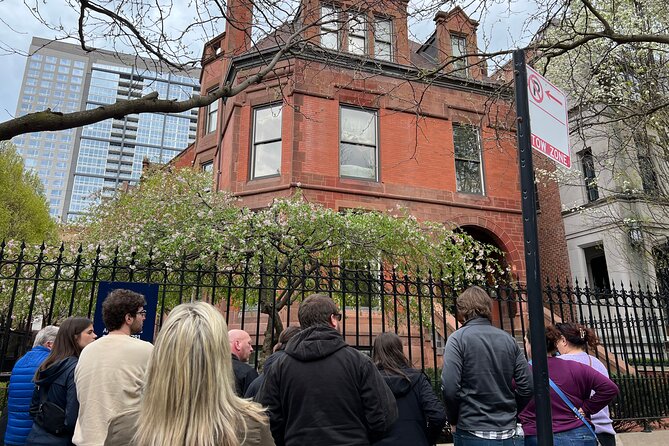
Chicago’s old millionaires still have stories. The Prairie Avenue Haunted History Tour mixes Gilded Age mansions with ghost-hunting gear, giving you both a walking history lesson and a playful after-dark adventure. I like the focus on a single historic district, and I like that guide Tony brings strong local knowledge and an easy sense of humor. The main drawback is simple: this is an outdoor night walk, so cold or wet weather can take the edge off the fun.
You meet at 8:00 p.m. in front of Glessner House and return there about two hours and 20 minutes later. I would dress more warmly than you think necessary, since one chilly-night visitor admitted being underdressed but still had a great time. The tour requires good weather, and its non-refundable policy makes checking the forecast especially important.
Key points to know before you go
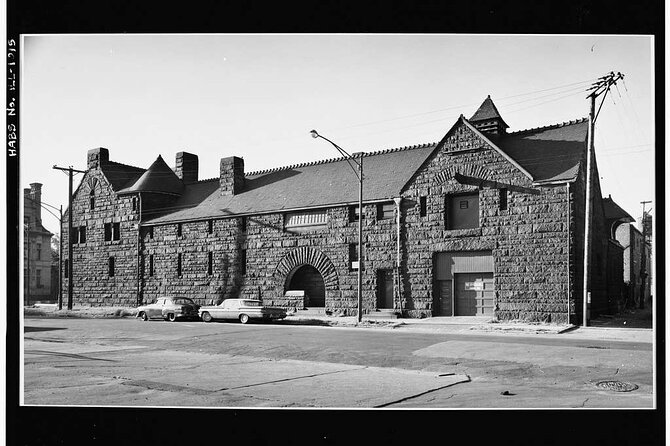
- Glessner House is your starting point: Meet at 1800 S Prairie Ave for an evening walk through Chicago’s old Millionaire’s Row.
- Tony earns repeated praise: His storytelling, local knowledge, humor, and willingness to answer questions are central to the experience.
- The tour blends two subjects: You get Prairie Avenue history, Victorian scandals, mansion stories, and a chance to use ghost-hunting equipment.
- Five stops fill roughly 140 minutes: The route includes Marshall Field Jr. Mansion, Clarke House, Keith House, Second Presbyterian Church, and the wider Prairie Avenue Historic District.
- Weather matters: Bring warm clothing and consider the forecast before booking, since bad weather can cancel the tour.
- The $40 price buys a focused evening: It is good value if you want a small-group walk with both historical content and theatrical spooky fun.
Why Prairie Avenue makes such a good night walk
Prairie Avenue was once Chicago’s premier address for the wealthy. During the 19th century, major industrialists, business figures, architects, and other prominent residents built imposing homes along and near the street.
That gives the tour a useful setting. You are not walking through a collection of unrelated spooky locations. The stories connect to one district and to the people who helped shape Chicago.
The area’s past also has more range than a standard ghost tour. You hear about the route’s earlier use as an Indigenous trail, its later rise as a home for the city’s wealthy, and the personal scandals attached to some of its famous residents.
I like that balance. The supernatural material gives the walk its mood, but the history gives you something to remember the next morning. You may come for ghosts and leave with a better sense of Chicago’s social and architectural past.
The evening start changes the feel of the neighborhood. After dark, the mansions and churches take on a more mysterious character, even when no ghostly activity appears. Since the route is outdoors, your experience will depend partly on the weather and your comfort walking and standing outside.
More Ghost Hunts in Chicago:
- Medieval Torture Museum Ticket with Audio Guide and Ghost Hunting
★ 5.0 · 962 reviews - Medieval Torture Museum with Ghost Hunting and Tiny Art Gallery
★ 5.0 · 2,011 reviews - Ghost Hunt in SF Chinatown with a Professional Investigator
★ 5.0 · 922 reviews
Meeting at Glessner House at 8 p.m.
The tour begins in front of Glessner House, at 1800 S Prairie Ave. This is a sensible meeting place because it puts you directly in the middle of the district rather than wasting time gathering somewhere distant and then transferring to the historic area.
You receive a mobile ticket, which keeps the arrival process simple. The tour is near public transportation, so you do not need to build the evening around a complicated private transfer.
From the start, expect a walking experience rather than a museum visit. The tour takes place around historic buildings and public streets, and the main attraction is the guide’s narration, the architecture around you, and the ghost-hunting activity.
The group can reach up to 25 people. That is still a manageable size for a guided walk, though a full group may make it harder to hear every word or move close to the guide. If you want the best chance of following the storytelling, stay near Tony when the group gathers at each stop.
Tony is the guide most often singled out for his contribution. His strength is not only factual detail. He also welcomes questions, keeps the mood light, and helps the evening work for people who want both serious history and spooky entertainment.
Marshall Field Jr. Mansion and its scandals
The first featured stop is the Marshall Field Jr. Mansion. You spend about 20 minutes here, hearing about the home, its scandals, and reported ghost stories connected with the property.
This is a strong opening because it introduces one of the tour’s main ideas: behind the polished facades of Chicago’s wealthy families were complicated lives. The buildings may look formal and grand, but the stories involve personal trouble, social pressure, and darker episodes.
I would not expect to enter the mansion. The experience is built around seeing the exterior and listening to the guide. That is important if you are hoping for a traditional haunted-house attraction. This is a neighborhood history walk with ghost stories, not a staged indoor fright show.
The stop also sets the right expectation for the ghost hunt. You are hearing accounts tied to specific buildings and people, then considering the possibility of unusual activity with the equipment provided by the tour. The tone appears to be curious and playful rather than aggressively scary.
Clarke House and Chicago’s early domestic past
The Henry B. Clarke House is described as a Greek Revival-style home and Chicago’s oldest building. You spend about 20 minutes learning about its past and the less savory stories attached to it.
This stop gives the route historical depth. Instead of focusing only on millionaire mansions from the city’s later boom, it brings you to an older home and a different stage of Chicago’s development.
The contrast matters. Prairie Avenue was not created all at once as a grand avenue for the elite. Its story changed over time, and Clarke House helps show that earlier chapter.
The house’s age also makes it a natural setting for ghost stories. You are looking at a building with a long record of changing residents and city life, not a modern location dressed up for Halloween.
Again, the value comes from Tony’s explanation. A building can be impressive at night, but its meaning is easier to grasp when someone connects its design and age to Chicago’s growth. The Greek Revival details provide the visual hook, while the stories supply the context.
More Heritage Tours in Chicago:
- Chicago: Historic Gangsters & Ghosts Night Cruise
★ 3.9 · 45 reviews - Chicago Ghosts & Haunted History Walking Tour
★ 5.0 · 11 reviews - Savannah History and Haunts Candlelit Ghost Walking Tour
★ 5.0 · 3,235 reviews - Stockholm: Ghost Walk and Historical Tour
★ 4.7 · 2,685 reviews
Keith House and Prairie Avenue architecture
The Keith House is another 1870s mansion in the Prairie Avenue Historic District. The stop lasts about 20 minutes and focuses on the distinctive building and its place in the area.
This is where you get a clearer feel for the district as an architectural collection. Each house is not simply a backdrop for a ghost tale. Together, the buildings show how wealthy Chicago residents used grand homes to announce their position in a rapidly expanding city.
The tour’s repeated stops also make the pacing manageable. You listen for a while, move on, and then get another story. That rhythm works well in an outdoor setting because you are not standing in one spot for the entire evening.
You should still expect some standing and walking. The supplied details do not give a total distance or specify the pavement at every point, so comfortable shoes are a sensible choice. Most people can participate, and service animals are allowed.
Second Presbyterian Church after dark
The Second Presbyterian Church of Chicago brings a religious setting into the route. It is a Gothic Revival landmark, and the guide discusses its haunted history.
This stop broadens the tour beyond private homes. Churches often carry a different emotional weight from mansions, and the change in setting helps keep the two-hour walk from feeling repetitive.
The Gothic Revival design should be especially effective after dark, when pointed forms and stonework can appear more dramatic. I would treat the architecture as part of the experience even if you are not especially interested in ghost stories.
The church stop also lets Tony discuss how local hauntings attach to places of worship and community life. That gives the supernatural side a different tone from stories about wealthy families and domestic scandals.
As with the other locations, the tour centers on exterior viewing and guided storytelling. The information provided does not promise interior access, so plan on experiencing the church from the route rather than as an indoor visit.
One hour across the Prairie Avenue Historic District
The longest portion of the evening covers the Prairie Avenue Historic District itself. This section lasts about one hour, giving Tony time to connect the individual stops into a larger story.
You hear how Prairie Avenue developed from an Indigenous trail into an address for Chicago’s 19th-century rich and famous. The people connected with the district include George Pullman, associated with the famous sleeping car, and architect Henry Ives Cobb, designer of the Newberry Library.
Those names help show why the walk is more than a standard haunted outing. You are learning about business, transportation, architecture, social status, and the city’s changing population, all through one neighborhood.
The district section is also where the ghost stories and scandals can accumulate. After hearing about several houses, residents, and institutions, you have a better sense of how the stories fit together. The neighborhood becomes a character in its own right, with its fortunes rising, changing, and fading.
I would pay close attention during this hour. It is the longest stretch of the tour and likely the part where the most names and background information come together. If you prefer a quick collection of spooky stories with little explanation, this may feel too detailed. If you enjoy local history, it is likely the most rewarding part.
How the ghost-hunting equipment affects the experience
The tour supplies ghost-hunting gear for you to use during the walk. The details do not specify the exact devices, so I would not book this expecting a professional paranormal investigation with a large technical setup.
Think of the equipment as an interactive extra. It gives you something to do while listening and lets you take part in the hunt rather than simply following a guide from one building to the next.
That matters for groups with different interests. One person may care most about mansion architecture, while another wants the ghost stories. The equipment adds a hands-on element that can keep both people engaged.
Tony’s style also appears to suit this format. He answers questions with enthusiasm and uses humor, which helps prevent the evening from becoming too solemn. A reported active night can make the experience especially creepy and exciting, but paranormal activity is never something you should treat as guaranteed.
The best approach is to enjoy the equipment as part of the entertainment while judging the history on its own merits. You do not need to believe every story to appreciate the neighborhood, the buildings, and the social dramas behind them.
Is $40 a fair price?
At $40 per person, this is not the cheapest way to take an evening walk in Chicago. You can walk through parts of the area on your own for little or no cost.
The comparison changes once you consider what the fee includes. You get about two hours and 20 minutes of guided interpretation, a planned route through several significant locations, ghost stories tied to the buildings, and access to ghost-hunting gear.
I think the price is fair for someone who values storytelling. A self-guided walk may show you the same streets, but it will not give you Tony’s connections between the houses, the people, the scandals, and the reported hauntings.
The value is weaker if you mainly want interior access or a theatrical haunted attraction. Admission to the individual stops is listed as free, but that does not mean the tour takes you inside each place. Its main product is the guide-led experience.
The maximum group size of 25 keeps the price below what you might pay for a private tour while still allowing a personal guide. A full group could feel less intimate, but the format remains more focused than a citywide bus tour.
Weather, clothing, and practical planning
The tour requires good weather. If poor weather cancels it, you are offered another date or a full refund, but you should not assume the same flexibility applies if you simply decide not to attend.
The cancellation policy is strict: the experience is non-refundable and cannot be changed for any reason. That makes weather planning important, especially because the tour starts at night and lasts well over two hours.
Wear warm layers. One person on a chilly evening had dressed too lightly, while another found the cold noticeable but still enjoyed the outing. That is a useful warning for Chicago, where an ordinary evening can feel much colder once you are standing outside between stops.
Comfortable shoes will help, since the route includes several locations and returns to the starting point. A mobile ticket is accepted, public transportation is nearby, and service animals are allowed.
Most people can participate, but the provided information does not promise a fully accessible route or give details about walking distance, seating, or restroom access. If those points matter to you, contact the provider before booking.
Who will enjoy this tour most?
I would recommend it to you if you like local architecture, unusual city stories, and a little theatrical mystery. It works especially well for a date night, since the evening setting and playful ghost hunt give you plenty to discuss between stops.
It also suits Chicago residents who want to learn more about a familiar area. The focus on millionaire families, architects, churches, and scandals gives the neighborhood more depth than a quick daytime pass.
Families with older children may enjoy the equipment and ghost stories, though the tour’s focus on scandals and Victorian characters may be better for teens and adults than very young children. The supplied information does not give a minimum age, so check before booking if age restrictions affect your group.
I would be less likely to recommend it if you dislike outdoor walking, cold evenings, or stories presented with a supernatural angle. It is also not the right choice if you expect confirmed paranormal evidence. The tour offers stories and an attempt to spot specters, not proof.
Should you book the Prairie Avenue ghost tour?
Book it if you want a focused Chicago evening that joins architecture, social history, scandals, and ghost hunting. The strongest reason to go is the guide-led storytelling, with Tony receiving particular praise for his local detail, humor, and friendly answers.
Bring a warm coat, arrive ready to walk, and treat the ghost-hunting gear as part of the fun rather than a guarantee of supernatural action. At $40, the experience gives good value when you want more than a free stroll but less than a formal private tour.
I would skip it only if bad weather is likely, you need flexible cancellation, or you want extensive indoor access. For most people interested in Chicago’s old elite and its after-dark stories, Prairie Avenue offers a memorable and pleasantly strange way to see the Near South Side.
FAQ
Where does the Prairie Avenue Haunted History Tour start?
The tour starts in front of Glessner House at 1800 S Prairie Ave, Chicago, Illinois 60616.
What time does the tour begin?
The tour starts at 8:00 p.m.
How long does the tour last?
The experience lasts approximately two hours and 20 minutes.
Where does the tour finish?
The tour ends back at the Glessner House meeting point.
What locations are included?
The route includes the Marshall Field Jr. Mansion, Henry B. Clarke House, Keith House, Second Presbyterian Church of Chicago, and the Prairie Avenue Historic District.
Can I use ghost-hunting equipment during the tour?
Yes. Ghost-hunting gear is provided for participants to use during the experience.
Newly added around Chicago
- Haunted Ghosts & The Chicago Outfit Segway Tour★ 4.5 · 38 reviews
- Lincoln Park Hauntings Ghost Investigation Tour★ 5.0 · 43 reviews
- Chicago Hauntings Original Ghost Bus Tour★ 4.0 · 147 reviews
- Ghosts of Chicago Family Friendly Ghost Tour★ 4.0 · 12 reviews
- Embers of the Windy City: Chilling Chicago Ghost Tours★ 4.5 · 121 reviews
- Chicago River Guided Ghost Tour★ 5.0 · 6 reviews
- Chicago Gangsters and Ghosts Luxury Minibus Tour★ 5.0 · 33 reviews
- Haunted Chicago Exploration Game and Tour★ 4.0 · 6 reviews
Chicago Ghost Tours, compared.
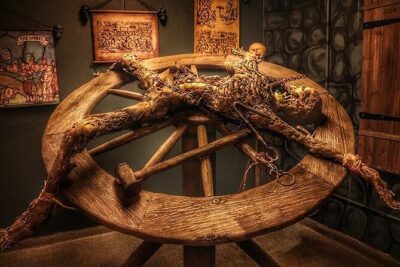
Medieval Torture Museum Ticket with Audio Guide and Ghost Hunting
Read our review →
Haunted Chicago Booze and Boos Ghost Walking Tour
Read our review →
Embers of the Windy City: Chilling Chicago Ghost Tours
Read our review →
Ghosts & Hauntings of the Windy City Walking Tour
Read our review →
Browse the lists this tour appears in