
REVIEW · SALEM GHOST TOURS
Secrets of Salem Hidden Dark History Tour
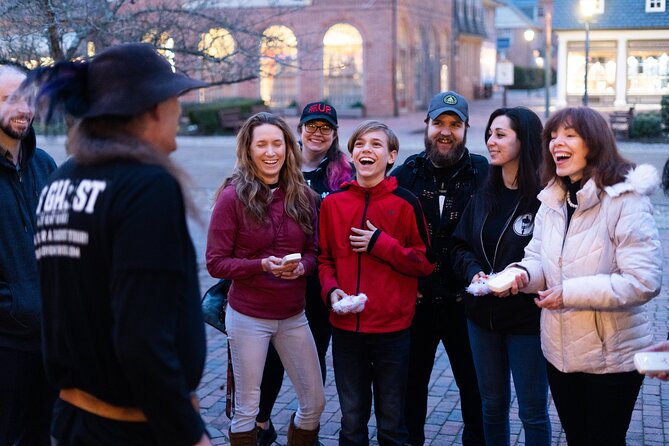
Salem’s darkest stories are hiding in plain sight. This two-hour walk links the 1692 witch trials with Salem’s grand houses, old civic buildings, literary past, and a few ghostly tales. I like the way it moves beyond the usual witch-trial script, and I especially like the small group size, capped at 20 people. The main drawback is simple: you will be on your feet for much of the tour, and one missed meeting point could ruin the evening.
The best guides add plenty to this experience. Mason brings a local’s view of Salem, Danielle has earned praise for her energy and command of the subject, and John is especially good at mixing strange details with solid history. The walk is easy enough for most people with moderate fitness, but comfortable shoes and careful attention to the meeting point at 210 Essex Street are wise.
Key points to know before you go
- The tour covers more than the witch trials: You also hear about architecture, Nathaniel Hawthorne, local politics, loyalism, and Salem’s old neighborhoods.
- Jonathan Corwin’s house is a major stop: It is the only surviving Salem house with a direct link to the 1692 trials.
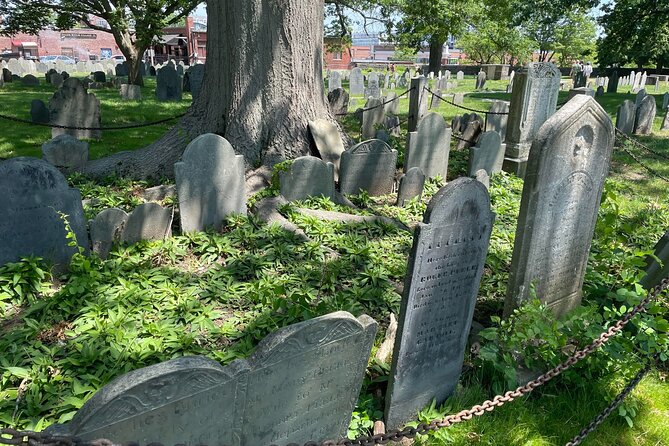
- The walk includes one of America’s oldest cemeteries: The 1637 burial ground adds family stories, legal history, and ghost lore.
- Guides make or break the experience: Mason, Danielle, John, and Sam have each been praised for clear storytelling and local detail.
- It ends at the Hawthorne Hotel: The route begins at 210 Essex Street and finishes at 18 Washington Square West.
- The group remains fairly small: A maximum of 20 people makes it easier to hear the guide and ask questions.
Why Salem works best on foot
Salem is compact enough to explore by walking, but its history can feel scattered if you do not know what you are looking at. A plain brick building may be tied to early town government. A handsome house may tell a story about British loyalism. A cemetery marker may connect directly to the witch trials.
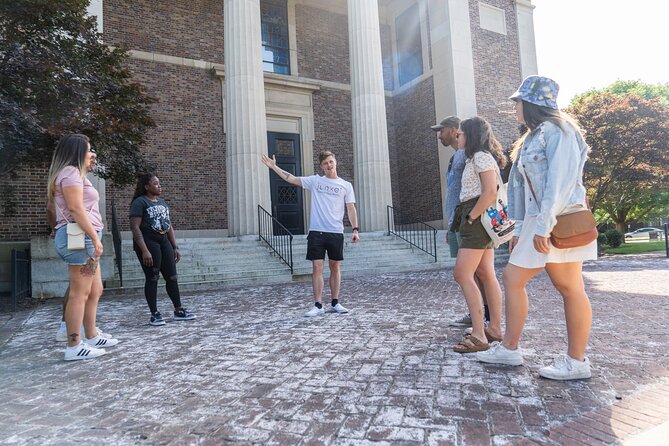
This tour gives those places a narrative thread. You begin at 210 Essex Street and finish at the historic Hawthorne Hotel, with stops spread through central Salem. No transportation is included, which is not much of a problem here. The route is designed as a walking experience, and the stated duration is about two hours.
I like this format because Salem’s past is best understood in relation to the streets around you. You are not sitting in a vehicle while a guide points out distant landmarks. You pause at actual buildings and hear why they matter.
The walk also avoids making every story about ghosts. You get documented events, political conflict, architecture, literature, and local rivalries alongside darker tales. That balance gives the tour more substance than a simple haunted stroll.
More Dark History Tours in the USA
- Salem Uncovered: Dark Stories of Salem Tour
★ 4.5 · 307 reviews - Adults-Only New Orleans Ghost, Crime, Voodoo, and Vampire Tour
★ 5.0 · 6,545 reviews - New Orleans Adults-Only True Crime and Ghost Walking Tour
★ 5.0 · 1,666 reviews
The 1816 municipal building and Salem’s early years
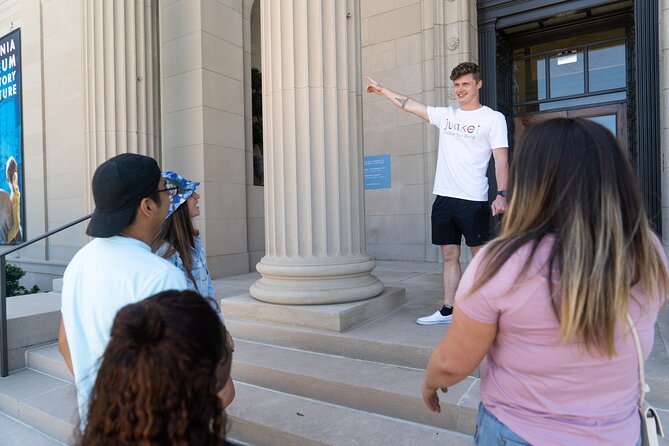
One early stop is Salem’s oldest original municipal building, built in 1816 and now available for private functions. The building offers a useful starting point because Salem’s story did not begin with the witch trials.
Here, the guide explains the town’s earliest years and the often complicated forces that shaped it. You can expect discussion of civic life, local power, and the changing character of Salem as it grew.
The building itself is part of the lesson. It shows how Salem looked at its civic past more than a century after the settlement was founded. I appreciate stops like this because they give the 1692 events a setting. The trials were not an isolated horror story. They grew out of an already divided community.
The Witch Trials Memorial Museum puts 1692 in context
The tour also includes a museum that presents an overview of the Salem Witch Trials. Its value is not just the information inside. It gives you a factual base before the walk turns to specific judges, accusers, homes, and burial sites.
The trials are often treated as Salem’s entire identity, but a good explanation needs to address the forces behind them. The museum presents the events as one of the clearest examples of mass hysteria in United States history.
That framing matters. It shifts the focus away from spooky entertainment and toward fear, rumor, pressure, and failed justice. You will be better prepared for later stops involving Judge Jonathan Corwin and Sheriff George Corwin.
Because this is part of a walking tour, your time at each location is limited. If you want an extensive museum visit, you may need to return on your own. The benefit is that the tour keeps moving and connects the museum’s broad account with the real buildings where the story unfolded.
Jonathan Corwin’s house and the human cost of 1692
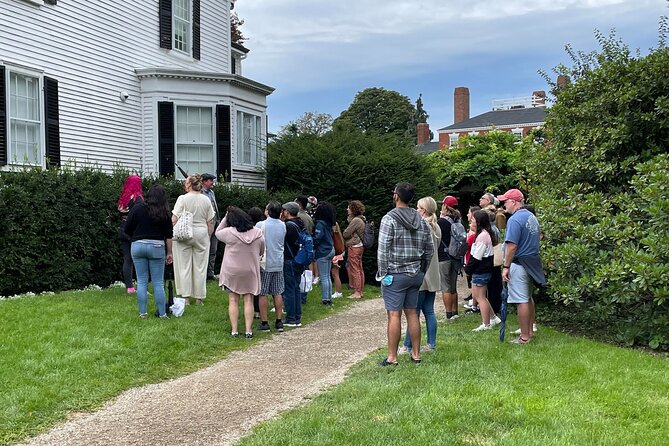
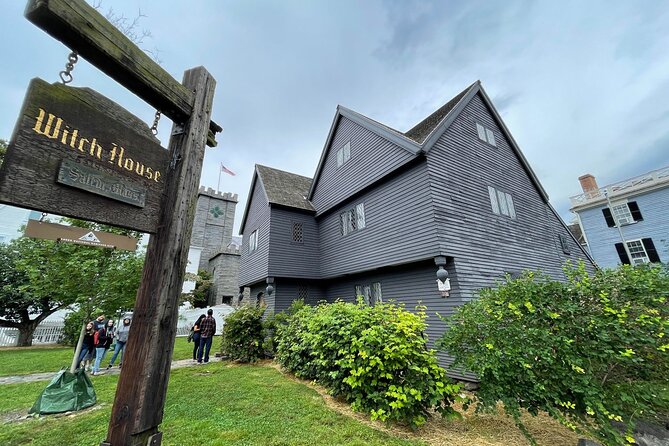
The home of Judge Jonathan Corwin is one of the most important stops. It dates to the period of the witch trials and is described as the only house still standing in Salem with direct ties to those events.
Corwin served as a judge during the trials. The stop focuses not only on his role, but also on the miscarriages of justice that took place under the court system. That distinction is important. The tour is not simply asking you to admire an old house. It is asking you to think about what happened inside the legal and social world surrounding it.
The house gives the story a physical anchor. Instead of hearing about judges as distant names, you see the kind of domestic setting in which Salem’s leading figures lived. That contrast can be unsettling. Ordinary homes and ordinary streets were connected to decisions that destroyed lives.
This is likely the strongest stop for anyone visiting Salem to understand the witch trials. If you want only ghost stories, some of the legal detail may feel heavy. I think that detail is exactly what gives the walk value.
More Dark History Tours in Salem:
- Edinburgh: Dark Secrets of the Old Town Ghost Walking Tour
★ 4.6 · 1,671 reviews - Genteel and Bard’s Savannah Dark History and Ghost Encounter Walking Tour
★ 5.0 · 1,546 reviews - Buda Castle District Dark History, Legends and Vampire Night Tour
★ 4.5 · 1,240 reviews - Paris: Dark History and Ghostly Guided Walking Tour
★ 4.7 · 1,000 reviews
The Ropes House and Salem’s loyalist divide
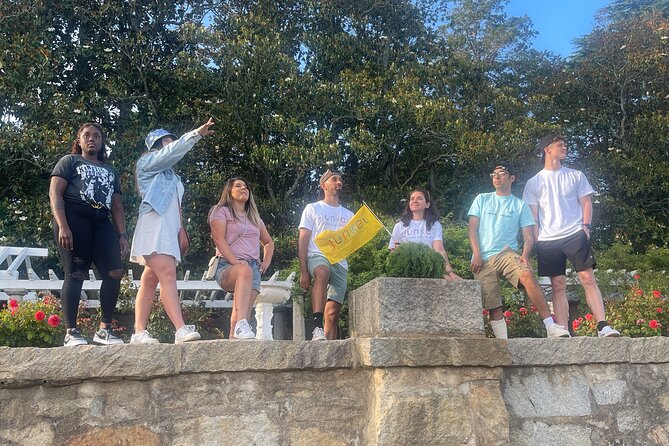
Another stop is a home built about a century after Salem’s founding, roughly 30 years after the witch trials. After its first owner died, it was sold to Nathaniel Ropes, a local judge and firm British Loyalist.
Ropes faced hostility from Salem residents late in his life. The story brings a different kind of conflict into view. Salem was not only divided over witchcraft. It also contained sharp political and social divisions tied to Britain and the changing loyalties of the American colonies.
The house is connected with tragedy as well as politics. You hear how Ropes’s position affected his relationship with the town and how the story ended.
This stop adds useful texture to the tour. It shows that Salem’s dark past continued long after the courtrooms of 1692 were gone. If you enjoy old houses for their owners and conflicts, not just their design, this part should hold your attention.
The Salem Athenaeum and Nathaniel Hawthorne
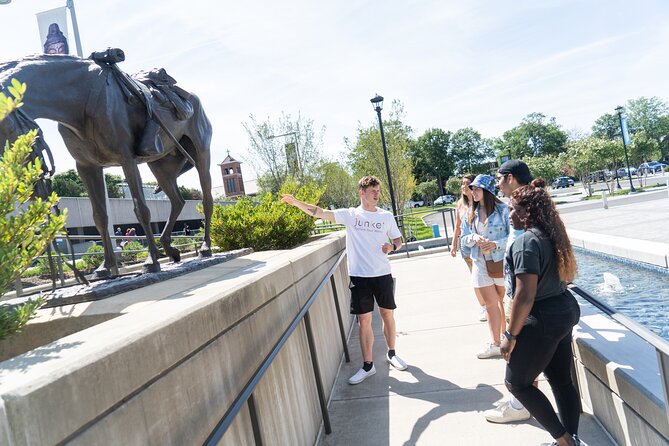
The route includes the Salem Athenaeum, created from the combined libraries of two separate societies. Nathaniel Hawthorne, the author of The Scarlet Letter, once served as its head during the 1800s.
This is a welcome change of pace. Hawthorne is closely tied to Salem, but the tour uses him as part of the city’s intellectual history rather than as a quick literary name drop. The Athenaeum helps show how Salem’s identity developed through books, civic groups, and educated local circles.
You may also hear facts about Hawthorne that are easy to miss if you only visit the major tourist attractions. The stop connects Salem’s real history with the darker fiction that later helped shape the city’s reputation.
For literature fans, this may be one of the most appealing portions of the walk. For everyone else, it provides a pause from accusations, executions, and ghosts.
George Corwin’s property and the machinery of accusation
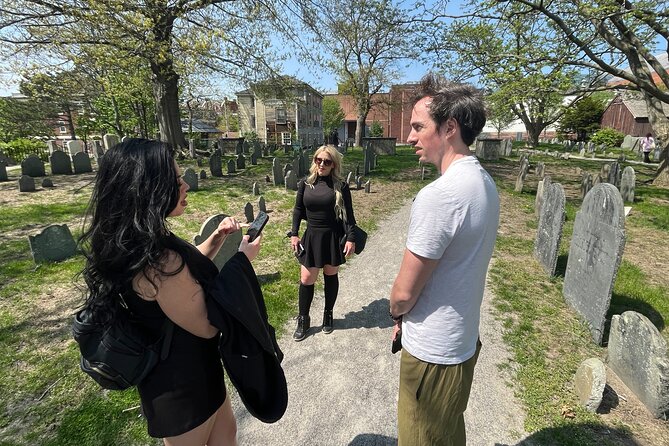
The land where another home was built once belonged to George Corwin, the nephew of Judge Jonathan Corwin. George served as sheriff of Salem during the witch trials and was described as unusually cruel in his treatment of people accused or convicted of witchcraft.
This stop helps explain how the trials functioned beyond the courtroom. Judges made decisions, but sheriffs and other officials carried them out. The story becomes more disturbing when you consider the chain of people responsible for arrest, confinement, punishment, and enforcement.
George Corwin’s family connection to Jonathan Corwin also shows how power was concentrated among a small number of local figures. The tour uses this property to connect family relationships with public authority.
You will hear darker material here. Parents bringing younger children should consider how comfortable their group is with stories of cruelty and injustice. The tour is historical, but it does not soften the subject.
The 1637 cemetery and the ghost of Judge Corwin
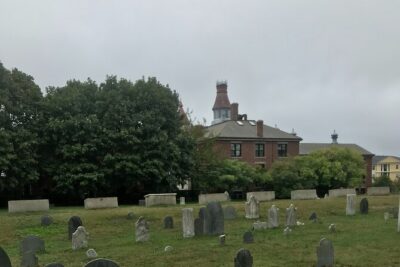
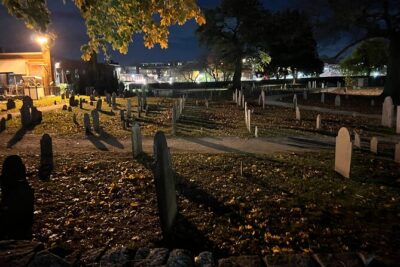
The cemetery was established in 1637, making it one of the oldest cemeteries in the United States. It contains the grave of the second wife of Giles Corey and the burial place of Judge Jonathan Corey, as described for the tour.
This stop combines records and folklore. You hear about people linked to the trials, then move into stories of those who claim to have seen Judge Corwin’s ghost among the graves.
That mix suits Salem well, provided you understand the difference between documented history and local legend. The cemetery offers a genuine connection to the town’s early years, while the ghost story adds the eerie mood many people expect from a Salem evening.
Cemeteries also slow the pace of a walking tour. That is helpful after several stops packed with names and dates. Take a moment to look at the stones and notice how close the burial ground is to the modern town around it.
The ground itself may be uneven, and the tour calls for moderate physical fitness. You do not need to be an athlete, but supportive shoes are a smart choice.
A later house with scandal of its own
Not every home on the route is connected to the witch trials. One was built more than a century later and has no direct tie to 1692, yet its own secrets and scandal make it worth a stop.
This is a useful reminder that Salem’s darker stories did not end when the trials ended. The city’s history includes private disputes, public reputations, family troubles, and social pressure across several generations.
I like that the tour includes this kind of place. It keeps the route from becoming too narrowly focused on one famous episode. If you want only trial sites, this stop may feel less essential. If you want a broader look at Salem, it adds welcome variety.
Salem Town and Salem Village, two communities at odds
One of the most useful historical ideas on the tour is the rivalry between Salem Town and Salem Village. That tension may have helped create the conditions for the hysteria that fueled the witch trials.
The distinction can be confusing, especially because modern Salem is often treated as one place. The tour explains how separate communities, competing interests, and local resentments helped shape the crisis.
This context is more valuable than another ghost story. It gives you a reason to ask why accusations spread and why the situation became so difficult to stop. Fear rarely grows from one cause, and the rivalry between town and village helps show that.
If you have already read about the trials, this may be one of the most useful parts of the walk. It turns familiar names and events into a clearer picture of local politics.
The Hawthorne Hotel and Salem’s screen history
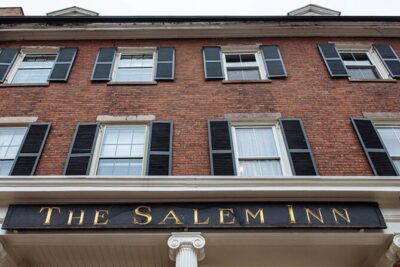
The final stop is the Hawthorne Hotel, named for Salem’s famous son, Nathaniel Hawthorne. An episode of the television series Bewitched was filmed there in the 1970s.
The hotel makes a fitting endpoint. It brings together Salem’s literary identity, old architecture, and modern popular culture. After hearing about judges, sheriffs, loyalists, authors, and alleged ghosts, you finish at a place that has also served as a setting for entertainment.
The tour ends at 18 Washington Square West. That location is practical as well as atmospheric. You can continue exploring central Salem afterward, or simply stop for a meal or a drink nearby.
Guides, group size, and the value of the storytelling
The guide is the most important part of this experience. Mason has been praised for adding personal touches from growing up in the area. Danielle is known for a lively style and strong command of Salem’s history. John mixes humor, unusual details, and serious historical explanation, while Sam has been described as clear and well prepared.
The strongest praise centers on enthusiasm, accuracy, and the ability to keep people of different ages interested. One family group ranging from age 14 to 55 found the tour entertaining and informative for everyone.
The group limit of 20 is another advantage. It is small enough for the guide to manage questions and keep the group together, though it is not a private tour. One guide has also been credited with keeping the group away from larger tour crowds, which can make a real difference on busy Salem dates.
The experience is offered in English, with a mobile ticket. Confirmation is sent within 48 hours of booking, subject to availability. The tour is near public transportation, but you arrange your own way to the start.
Is $32 a fair price?
At $32 per person, the tour is reasonably priced for a guided two-hour walk with a professional guide and several historical stops. You are paying for interpretation, not transportation or admission to a full slate of attractions.
The value is strongest if you are new to Salem or want a clear framework for the city’s past. A guide can connect the Corwin family, the cemetery, Salem Village, Nathaniel Hawthorne, and the later houses in a way that takes far more time to piece together alone.
The price may feel less attractive if you prefer to explore at your own speed or spend long periods inside museums. This is a structured walk, and the route moves on after each stop.
The tour is booked about 29 days ahead on average, so I would not leave it until the final moment, especially during Salem’s busiest periods. Free cancellation is available up to 24 hours before the start time. Canceling or changing within 24 hours does not qualify for a refund.
Who should book this Salem walk?
I would choose this tour if you want:
- A serious look at the witch trials without ignoring the rest of Salem
- A walk that mixes documented history with ghost stories
- Small-group guiding rather than a large crowd
- Local context about Salem Town and Salem Village
- Literary connections involving Nathaniel Hawthorne
- A manageable two-hour introduction to central Salem
You may want something else if you dislike walking, want a private tour, or prefer a purely supernatural experience. The historical material is central, and the darker stories work best when placed beside facts about law, politics, and civic life.
Should you book the Secrets of Salem Hidden Dark History Tour?
Yes, I would recommend it for a first visit to Salem, especially if you want more than photos of witch hats and souvenir shops. The strongest parts are Jonathan Corwin’s house, the 1637 cemetery, the explanation of Salem Town and Salem Village, and the guides’ personal storytelling.
Book it if you value context and like your spooky history served with evidence. Skip it if you need a fully accessible seated activity or want to spend the entire day inside museums. Wear comfortable shoes, arrive at 210 Essex Street with the meeting details in hand, and allow two hours for a thoughtful walk through Salem’s uneasy past.
FAQ
How long does the Secrets of Salem Hidden Dark History Tour last?
The tour lasts approximately two hours.
Where does the tour begin?
It begins at 210 Essex Street, Salem, Massachusetts 01970.
Where does the tour end?
The tour ends at the historic Hawthorne Hotel, located at 18 Washington Square West, Salem, Massachusetts 01970.
How much does the tour cost?
The listed price is $32 per person.
Is transportation included?
No. Transportation is not included. The experience is a walking tour.
Is the tour offered in English?
Yes. The tour is offered in English and uses a mobile ticket.
How large is the group?
The tour allows a maximum of 20 people.
What is the cancellation policy?
You can cancel at least 24 hours before the start time for a full refund. Cancellations or changes made less than 24 hours before the start time are not refundable.
More Heritage Tours in Salem
- Wicked Awesome Tours: Witch Trial History and Salem Haunts!
★ 5.0 · 1,032 reviews - Best Salem Witch Trials Historical Walking Tour
★ 4.0 · 743 reviews - Salem History & Haunt Walking Tour
★ 4.5 · 81 reviews - Ultimate Historic Salem and Witch Trials Self-Guided Walking Tour
★ 4.5 · 67 reviews
Newly added around Salem
- Salem: Voodoo, Vampires, and Ghosts Guided Walking Tour★ 4.8 · 206 reviews
- Witch City Broom Making Workshop in Salem★ 5.0 · 105 reviews
- Witch Costume Photo Shoot – Witch Cottage theatrical set★ 5.0 · 149 reviews
- [ESP] History of Salem Witch Trials★ 4.0 · 5 reviews
- Vampire Ghost Adventures and Haunted Objects Walking Tour★ 4.5 · 34 reviews
- Wandering Witches★ 4.5 · 33 reviews
- Private Walking Salem Legends Tour Professional Guide★ 5.0 · 3 reviews
- Ultimate Historic Salem and Witch Trials Self-Guided Walking Tour★ 4.5 · 67 reviews
Salem Ghost Tours, compared.

Wicked Awesome Tours: Witch Trial History and Salem Haunts!
Read our review →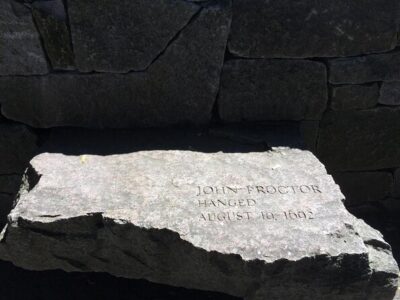
Best Salem Witch Trials Historical Walking Tour
Read our review →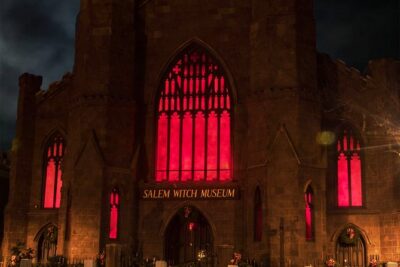
Browse the lists this tour appears in