
REVIEW · SEOUL GHOST TOURS
Seoul’s Hidden Dark History Guided Tour of Seodaemun Prison
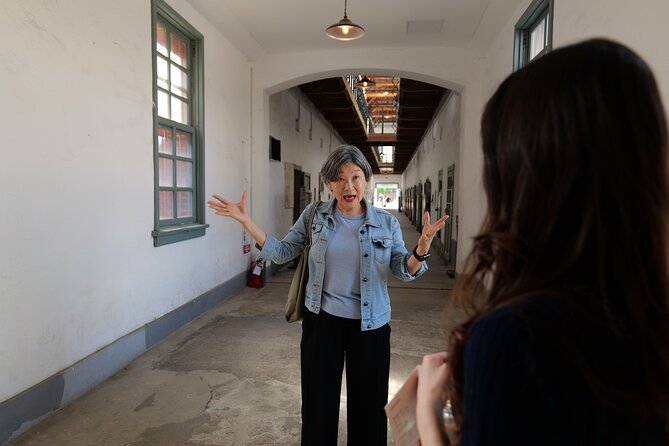
Seoul’s past has sharp edges. This two-hour walking tour at Seodaemun Prison trades shopping streets for original cells, interrogation rooms, and the story of Korea’s fight for freedom. I like the small group of no more than 10 people and the clear focus on the independence movement, especially the story of Yu Gwan-sun. The $31.54 price also includes admission to Seodaemun Prison History Hall.
The main consideration is emotional weight. This is not a light sightseeing stop, and the prison’s execution grounds and interrogation spaces can be difficult to take in. You will also need a moderate level of fitness for the walking portion, with a 2:00 pm start and about two hours on your feet.
Key points to know before you book
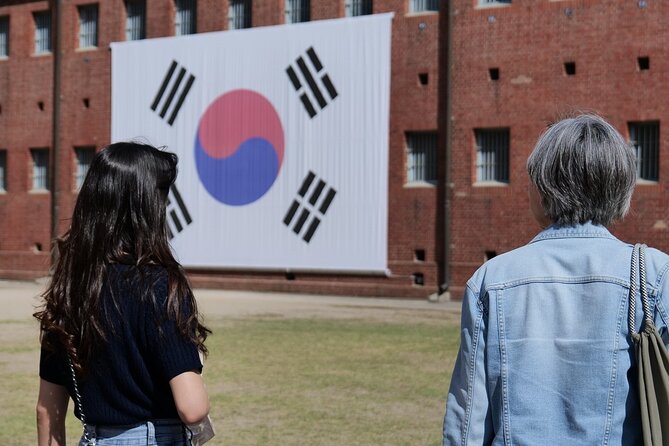
- Original prison spaces: Walk through cells, underground interrogation rooms, and the execution yard at Seodaemun Prison History Hall.
- A focused history lesson: The tour explains Korea’s independence movement and Japanese colonial rule rather than offering a broad, general city walk.
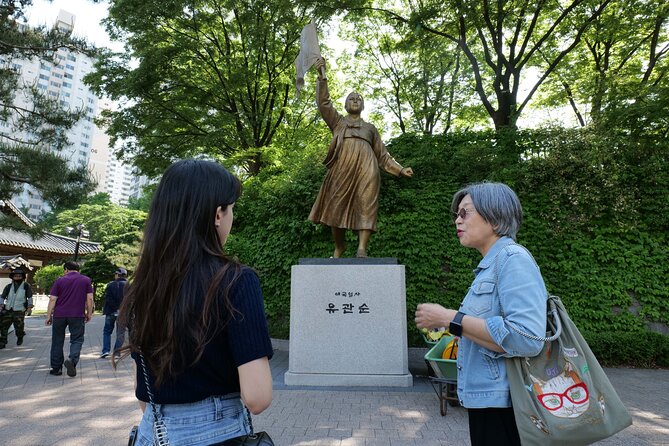
- Yu Gwan-sun’s story: Learn how a 17-year-old student became a national symbol after taking part in the March 1st Movement.
- Small-group format: The group is limited to 10 people, giving the guide room to explain details and answer questions.
- Two meaningful stops: Begin at Dongnimmun Gate, then spend most of the visit inside the prison complex.
- Simple pricing: The cost is $31.54 per person, with admission to the prison history hall included.
Why Seodaemun Prison belongs on a Seoul itinerary
Seoul is easy to enjoy at the surface level. Palaces, markets, cafés, department stores, and lively neighborhoods fill a first visit. Seodaemun Prison asks you to pause and look at the forces that shaped the modern country.
The prison was built in 1908 during Japanese colonial rule. It was used to detain and execute people involved in Korea’s independence movement. Today, the site functions as a memorial and history museum, but the setting still carries the severity of its original purpose.
I like this tour because it gives the site a clear purpose. You are not simply walking through old rooms and reading scattered plaques. The guide connects the cells, interrogation rooms, execution grounds, and independence movement into one story.
The tour also provides a useful counterpoint to Seoul’s polished modern image. You can spend the morning among skyscrapers and smart shops, then walk through a prison that recalls a period of occupation, resistance, imprisonment, and sacrifice. That contrast is one reason this is among the more meaningful things to do in Seoul.
More Haunted Prison Tours in the world:
- Charleston Haunted Jail Night-Time Walking Tour with Admission to Old City Jail
★ 4.5 · 570 reviews - Adelaide: Ghosts, Dark Secrets and Paranormal Hunt Gaol Tour
★ 3.9 · 93 reviews - Adelaide Gaol Ghost Tour and Paranormal Investigation
★ 4.0 · 66 reviews
Starting at Dongnimmun Gate
The tour begins at 102-6 Hyeonjeo-dong in Seodaemun-gu at 2:00 pm. The first stop is Dongnimmun Gate, where you spend about 20 minutes learning about the gate built by Koreans in 1890.
This short opening stop matters because it gives you a starting point for the idea of independence. The gate is not simply a piece of architecture to photograph. It helps frame the larger story before you enter the prison.
The 20-minute visit is brief, which is useful. You get essential context without spending half the tour standing outside. The main historical work happens at Seodaemun Prison History Hall, so the opening stop functions as an introduction rather than a separate attraction.
You should pay close attention here if you know little about Korea’s modern history. The prison will make more sense once you understand why independence became such an important goal and why public symbols connected to that cause carried so much weight.
Inside Seodaemun Prison History Hall
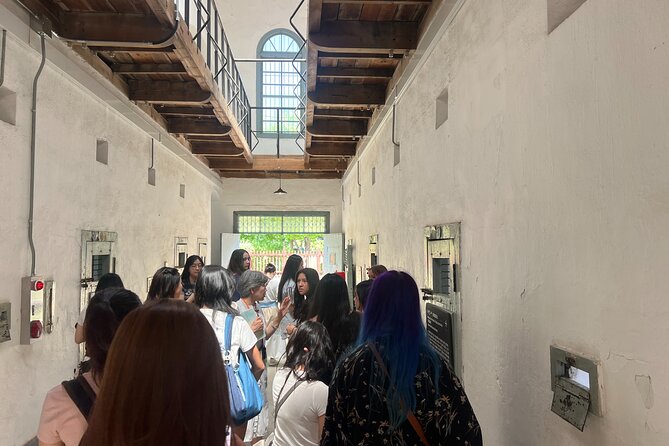
The main portion lasts about one hour and 40 minutes. Admission to Seodaemun Prison History Hall is included, so you do not need to budget a separate entry fee for the central attraction.
The tour takes you through original prison cells and solitary cells. These rooms make the experience physical in a way that a standard lecture cannot. You are not only hearing about detention. You are looking at the spaces where people were confined.
The route also includes underground interrogation rooms. This is one of the more difficult parts of the visit, since the setting points directly to the methods used against independence activists. The guide’s role is especially useful here. A professional guide with more than 10 years of experience in Korean history can explain what happened without leaving you to piece the story together from brief museum labels.
The execution grounds are another major stop. This portion may feel heavy, but it is central to understanding the cost of resistance. The tour presents the site as a place of remembrance, not as a sensational attraction.
I appreciate that the experience does not soften the subject too much. A prison memorial should make you think about actual human lives, not just dates and political slogans. At the same time, anyone who prefers light sightseeing should know that this visit may be intense.
Yu Gwan-sun and the March 1st Movement
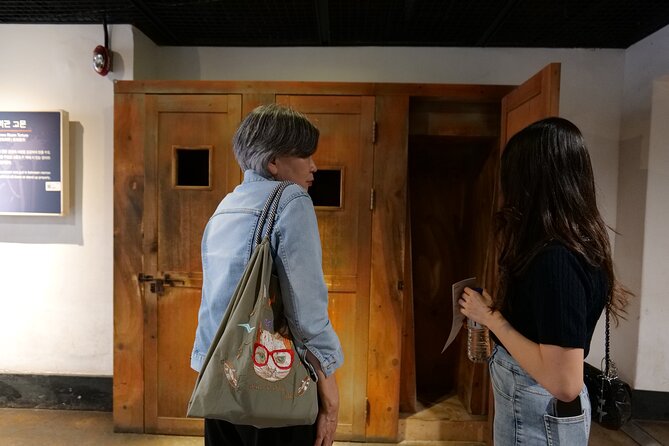
The story of Yu Gwan-sun gives the tour a personal focus. She was a 17-year-old student whose courage during the March 1st Movement made her a national symbol.
That detail helps bring the wider independence movement down to human scale. It is one thing to hear about colonial rule and political resistance in broad terms. It is another to consider the choices and risks faced by a young student.
The guide’s explanation of Yu Gwan-sun’s story is one of the strongest reasons to choose a guided visit instead of walking through the site alone. You can see the buildings independently, but a guide can show how an individual story connects to a much larger national struggle.
I also like that this story offers younger visitors an accessible entry point into the subject. The history is serious, yet Yu Gwan-sun’s age and courage make the events easier to grasp. The tour does not reduce the period to a single hero, but her story gives the visit an emotional center.
More Dark History Tours in the world:
- Adults-Only New Orleans Ghost, Crime, Voodoo, and Vampire Tour
★ 5.0 · 6,545 reviews - Edinburgh: Dark Secrets of the Old Town Ghost Walking Tour
★ 4.6 · 1,671 reviews - New Orleans Adults-Only True Crime and Ghost Walking Tour
★ 5.0 · 1,666 reviews - Genteel and Bard’s Savannah Dark History and Ghost Encounter Walking Tour
★ 5.0 · 1,546 reviews
What the small group adds
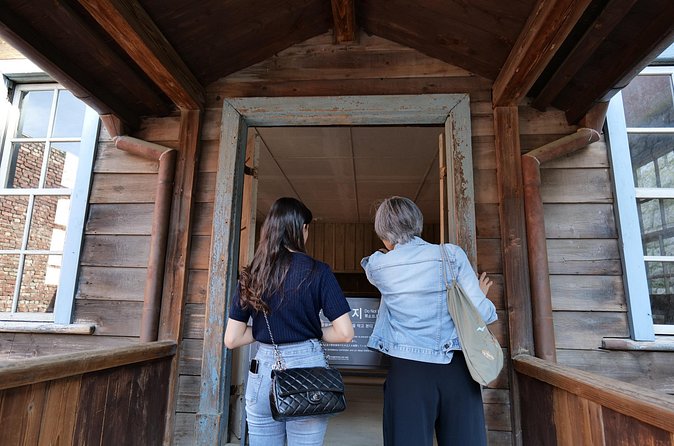
The maximum group size is 10 people. That is a practical advantage at a place where the subject requires explanation and quiet attention.
A large group can make a prison museum feel rushed. People gather around the guide, some miss details, and questions become harder to ask. A group of 10 gives you a better chance to hear the explanation clearly and ask about points that need more context.
The small format also suits the tone of the site. Seodaemun Prison is not a place for loud group chatter or quick photo stops. A compact group makes it easier to move through the cells and memorial areas with appropriate care.
The experience currently has a 5.0 rating from three submitted ratings. That is an excellent early signal, though the number of ratings is small. The clearest praise focuses on the detailed explanation of the independence movement and the prison’s use. That is exactly where the tour’s value lies.
Is $31.54 a fair price?
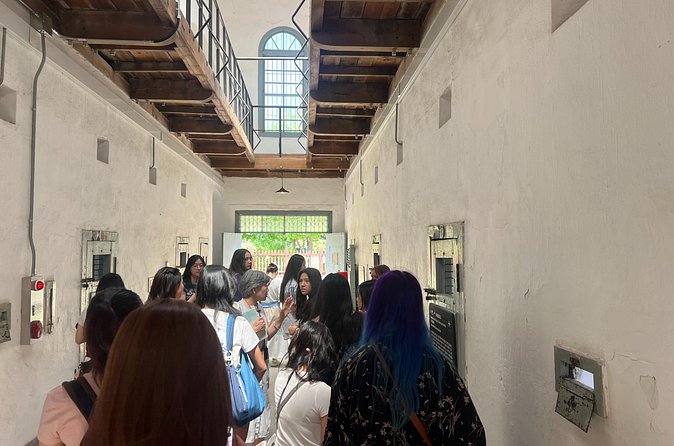
At $31.54 per person, this is not the cheapest way to spend two hours in Seoul. It is also not an unreasonable price for a guided visit that includes admission to the main museum and limits the group to 10 people.
The real question is what you want from the visit. If you only want to see the buildings, you may prefer to visit independently. The ticketed museum can be approached as a self-guided stop, and the prison grounds are the main attraction.
I think the price makes better sense if you want historical structure and interpretation. The guide brings together Dongnimmun Gate, Japanese colonial rule, the independence activists, the prison cells, the execution grounds, and Yu Gwan-sun’s story. That connection saves you from treating each room as an isolated display.
The price also compares well with the amount of time involved. You get roughly two hours of focused sightseeing rather than a brief photo stop. Since the group is capped at 10, you are paying for a more personal format rather than a crowded coach excursion.
Keep your expectations realistic. The cost does not turn the site into an entertainment attraction. Its value comes from understanding the place, not from the number of stops or visual spectacle.
Timing, meeting point, and physical demands
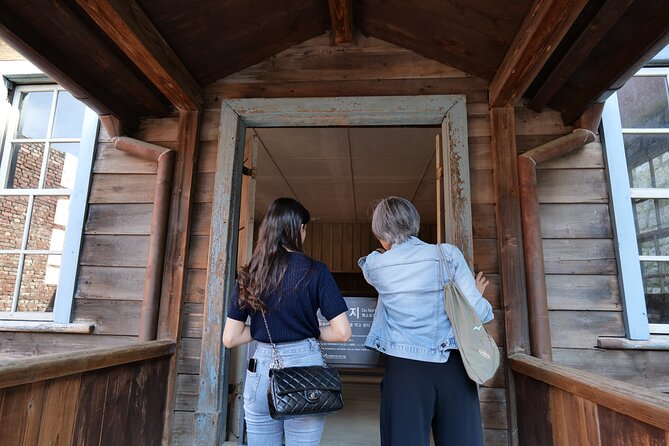
The tour begins at 2:00 pm and ends at Seodaemun Prison History Hall, 251 Tongil-ro, Seodaemun-gu. The starting point is near public transportation, which makes the tour practical to fit into a day of sightseeing.
Because the end point is the prison history hall, you should plan the rest of your afternoon around that location rather than assuming you will return to your starting point. The supplied details do not specify a return transfer, so you should treat the tour as a one-way walking experience.
You should also allow the full two hours. The prison portion alone lasts about one hour and 40 minutes, and the opening stop at Dongnimmun Gate takes about 20 minutes. This is not a quick entrance, photograph, and departure.
A moderate level of physical fitness is recommended. The experience involves walking through the site and remaining engaged for the length of the tour. If you have difficulty walking or standing for extended periods, check your own comfort level before booking.
The afternoon timing can work well with a flexible Seoul schedule. You can visit a different part of the city earlier in the day, then head to Seodaemun-gu for the 2:00 pm start. Just avoid booking another fixed activity too close afterward.
Who will appreciate this experience most?
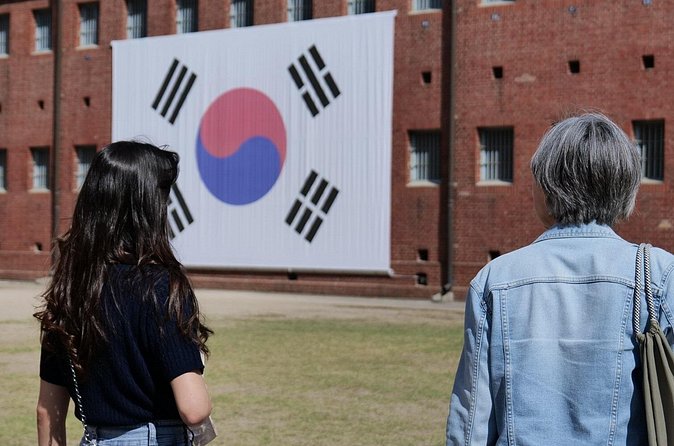
I would recommend this tour to you if you want to understand Seoul beyond palaces, shopping, and food. It is especially suitable if modern Korean history is unfamiliar to you and you want a clear introduction rather than a long academic lecture.
It also suits repeat visitors who have already seen the city’s major royal and cultural attractions. Seodaemun Prison gives you a different view of Seoul, one tied to occupation, resistance, and the sacrifices behind Korean independence.
Families with older children or teenagers may find the story of Yu Gwan-sun a useful way into the subject, though the prison and execution grounds are serious places. You should consider your group’s comfort with difficult historical material.
This may not be the right choice if you want a relaxed afternoon walk, a photo-focused activity, or an upbeat cultural tour. The setting is deliberately sobering. The tour is valuable because it asks you to pay attention, not because it keeps the mood light.
A respectful way to visit the prison
The best approach is to treat Seodaemun Prison as a memorial first and a sightseeing stop second. The cells and interrogation rooms are not theatrical backdrops. They represent the suffering of people imprisoned for opposing colonial rule.
Listen closely when the guide explains the use of each space. The physical details gain meaning when connected to the independence movement and the people who were held there.
You should also give yourself time to absorb the difficult portions. The tour is only about two hours, but the subject may stay with you longer. That is not a flaw. It is part of what makes the experience different from a standard city attraction.
The strongest part of the visit is the combination of place and story. You hear about Korean independence activists while standing inside the prison used to detain them. That direct connection gives the history a force that a textbook cannot easily match.
Booking and cancellation advice
Confirmation is provided when you book. Free cancellation is available if you cancel at least 24 hours before the experience start time.
If you cancel less than 24 hours before the 2:00 pm start, you will not receive a refund. Changes made inside that same 24-hour period are not accepted, and the cut-off follows Seoul local time.
The experience is provided by Mutual Trip. Since the tour is limited to 10 people and is booked, on average, 31 days ahead, you should reserve early if your Seoul dates are fixed.
Should you book the Seodaemun Prison tour?
Book it if you want a serious, well-focused look at the struggle that shaped modern Korea. The guide, small group, included admission, and detailed treatment of the independence movement make the $31.54 cost reasonable for many visitors.
The main reason to choose it is the combination of original prison spaces and clear historical explanation. The story of Yu Gwan-sun, the underground interrogation rooms, and the execution grounds give the visit emotional and educational weight.
Skip it if you want a cheerful sightseeing break or if difficult sites are not right for your group. But if you can give two thoughtful hours to Seoul’s harder past, this is an important addition to your itinerary. It will not show you the city at its prettiest. It may help you understand the city far better.
FAQ
How long does the Seodaemun Prison tour last?
The experience lasts approximately two hours. About 20 minutes are spent at Dongnimmun Gate, followed by about one hour and 40 minutes at Seodaemun Prison History Hall.
What time does the tour begin?
The tour begins at 2:00 pm.
Where does the tour start?
The meeting point is 102-6 Hyeonjeo-dong, Seodaemun-gu, Seoul, South Korea.
Where does the tour end?
The tour ends at Seodaemun Prison History Hall, 251 Tongil-ro, Seodaemun-gu, Seoul, South Korea.
Is admission to Seodaemun Prison History Hall included?
Yes. Admission to Seodaemun Prison History Hall is included in the tour price.
How many people can join the tour?
The experience has a maximum group size of 10 people.
Can I cancel for a full refund?
Yes, if you cancel at least 24 hours before the experience start time. Cancellations made less than 24 hours before the start are not refunded, and changes during that period are not accepted.
More Heritage Tours in the world
- Savannah History and Haunts Candlelit Ghost Walking Tour
★ 5.0 · 3,235 reviews - Stockholm: Ghost Walk and Historical Tour
★ 4.7 · 2,685 reviews - New Orleans Small-Group Haunted History Carriage Tour
★ 4.5 · 2,289 reviews - New Orleans Haunted History Ghost Tour
★ 4.5 · 2,084 reviews
Newly added around the world
- Zion: Harry Potter-Inspired Zion Ghost Tour with Sunset View★ 5.0 · 8 reviews
- York : Private Ghost Hunt★ 5.0 · 3 reviews
- Your evening in Venice – Legends&Ghosts&Aperitif★ 4.7 · 79 reviews
- York’s Haunted Heart : Ghost, Ghouls and Gallows★ 4.6 · 82 reviews
- Witches, Widows, & Wraiths: Wichita Ghost Tours★ 5.0 · 2 reviews
- Wraiths of the West Texas Wind: El Paso Ghost Tour★ 4.5 · 9 reviews
- Witches, ghosts and executioners / Mystical North Hesse★ 4.4 · 4 reviews
- Wraiths & Wicked Whispers: Wilmington Ghost Tour★ 4.2 · 25 reviews
Seoul Ghost Tours, compared.
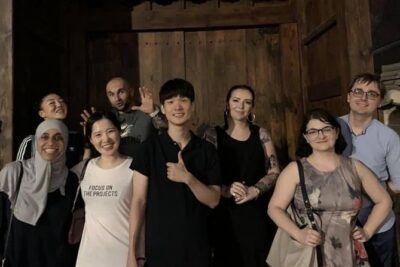
Evening Dark History, Folklore & Ghost Story Walking Tour
Read our review →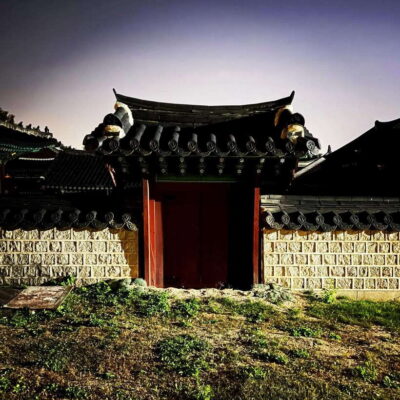
Dark Side of the City and Ghost Stories Walking Tour
Read our review →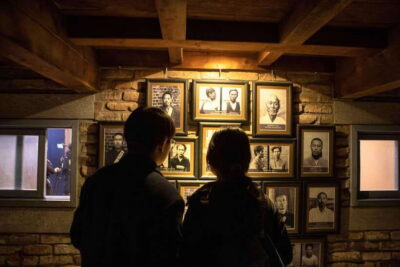
Blood & Tears: Korea Dark History Guided Walking Tour
Read our review →
Browse the lists this tour appears in