
REVIEW · GHOST TOURS
The Original Valletta Ghost Tour
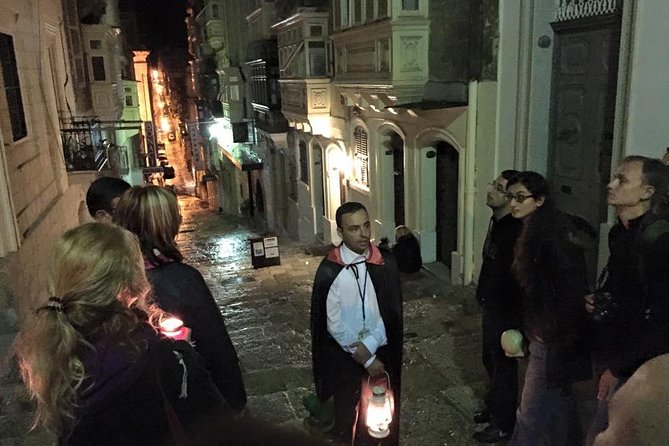
Valletta gets a different face after dark. This two-hour walking tour mixes ghost stories with the history of the Knights of Malta, British rule, plague quarantine, and World War II, making it more than a simple scare walk. I like the small-group format and the way guides such as Matteo and Matthew connect each tale to the street or building around you. The main drawback is that you spend the full tour outdoors on foot, often in dark, narrow streets, so comfortable shoes and water matter.
I also like the useful city orientation. If you have only one day in Valletta, the route gives you a quick look at several important areas while adding a dose of theater. Some stories are more historical than frightening, and the tour may suit curious adults and older children better than anyone seeking a high-intensity haunted-house experience.
Key points to know before booking
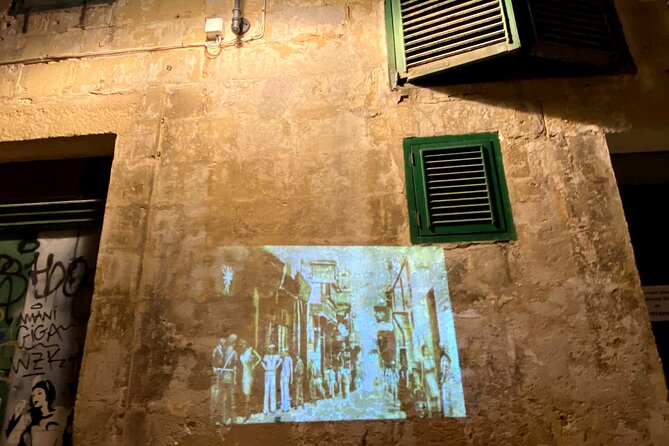
- Two hours through Valletta after dark: The route begins near St. George Square and ends by Fort St. Elmo.
- Ghost stories are tied to real places: Strait Street, Teatru Manoel, Marsamxett, and the National War Museum all add context.
- Small groups make the narration easier to follow: The maximum group size is 25 people.
- Guides are a major strength: Matteo and Matthew are described as friendly, engaging, organized, and clear.
- Bring water and comfortable shoes: You will walk for about two hours, including dark and narrow streets.
- No hotel transport is included: You must reach the meeting point and make your own way back after the tour.
Why Valletta works so well after dark
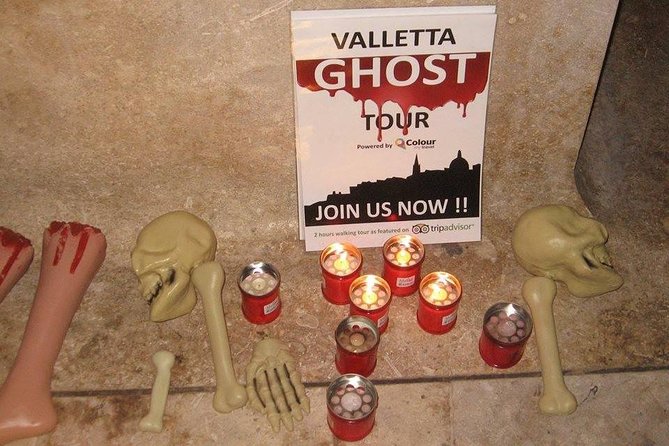
Valletta is a compact city with a long, complicated past. Its streets carry stories from the Knights of Malta, the British period, plague outbreaks, and the Second World War. A ghost tour gives you a reason to connect those events with particular corners, buildings, and waterfront views.
That combination is the real appeal here. The supernatural stories provide the hook, but the historical detail gives the walk substance. You are not simply moving from one spooky tale to another. You are also learning why Valletta developed as it did and why certain places gained such a strong reputation.
The tour is fully narrated in English, so you can focus on the guide rather than trying to read signs or follow a written route. The small-group limit of 25 is useful in a city where streets can feel tight. A guide can usually speak more naturally to a group of this size, and you have a better chance of hearing the story without standing at the back of a crowd.
The mood depends on the guide. This experience has been praised for its friendly, professional delivery and for the ability to create the right atmosphere. That matters on a ghost tour. A flat reading of spooky facts would not carry the evening, while a guide who adds local context and timing can make an ordinary alley feel much more suggestive.
A few more hauntings around the world worth booking
- New Orleans Premier Ghost, Voodoo and Vampire Walking Tour
★ 4.5 · 12,856 reviews - The World Famous Underground Ghost Tour
★ 4.5 · 9,272 reviews - Chicago: Gangsters and Ghosts Walking Tour
★ 5.0 · 7,155 reviews
Meeting at St. George Square
You meet your licensed guide at the Sette Giugno Monument, at 111 Archbishop Street near St. George Square. The opening stop is brief, about five minutes, but it gives the group a clear starting point and lets the guide set the tone.
This location is practical for anyone already exploring central Valletta. You do not need hotel pickup, and transport is not part of the experience, so plan to reach the meeting place independently. A mobile ticket is provided, which keeps the arrival simple.
At the start, I would arrive with enough time to locate the monument without rushing. The route takes place in the evening, and the city streets can be less straightforward to navigate once the light fades. The stated tour time is approximately two hours, so arriving late could mean missing the introduction and the first story.
Strait Street and Valletta’s darker tales
The walk continues through Strait Street, with about 15 minutes devoted to this part of the route. The street is a natural setting for the tour because its narrow shape and nighttime atmosphere lend themselves to stories of crime, secrecy, and old Valletta.
This is also where the tour begins to show its balance between entertainment and local history. The guide does not simply announce that a place is haunted. You hear what is said to have happened there and how that story fits into the city’s past.
You may find this section more atmospheric than frightening. That is worth knowing before you book. The tour seems designed around suspense, storytelling, and historical setting rather than shocks or special effects. If you like the idea of walking through real streets while hearing unsettling accounts, Strait Street should be one of the stronger parts.
If you are sensitive to darkness or uneven walking conditions, pay attention here. The route moves through old urban streets, and one participant specifically advised bringing a small light because some areas can become quite dark. A phone flashlight may help, but use it discreetly so it does not interrupt the mood or distract others.
Teatru Manoel and the haunted box
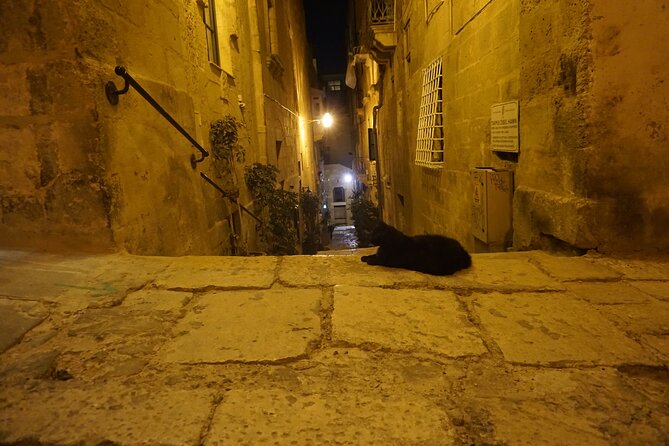
The next stop is Teatru Manoel, one of Valletta’s best-known cultural buildings. The tour asks which box inside the theater is said to be haunted, giving this section a specific mystery rather than a general ghost story.
The detail works well because theaters already carry a natural sense of drama. A haunted box is easy to picture, and the question gives the guide a clear way to involve the group. You are not merely standing outside a historic building and hearing dates. You are considering a particular room and the story attached to it.
The information provided does not promise entry into Teatru Manoel, so you should expect this to be an exterior or nearby storytelling stop unless the guide says otherwise. That is an important distinction. The value comes from the setting and narration, not from a theater performance or a building tour.
For people interested in architecture and local culture, this stop adds variety. The route is not limited to battle sites or cemeteries. It also includes a place associated with performance, public life, and old Valletta society.
Same streets, an entirely different kind of scare:
- Edinburgh: Haunted Underground Vaults and Graveyard Tour
★ 4.6 · 6,607 reviews - Adults-Only New Orleans Ghost, Crime, Voodoo, and Vampire Tour
★ 5.0 · 6,545 reviews - Prague: Ghost Walking Tour Where Legends Come To Life
★ 4.4 · 5,253 reviews - Prague: Ghosts, Legends, Medieval Underground & Dungeon Tour
★ 4.3 · 5,104 reviews
Marsamxett and the quarantine hospital
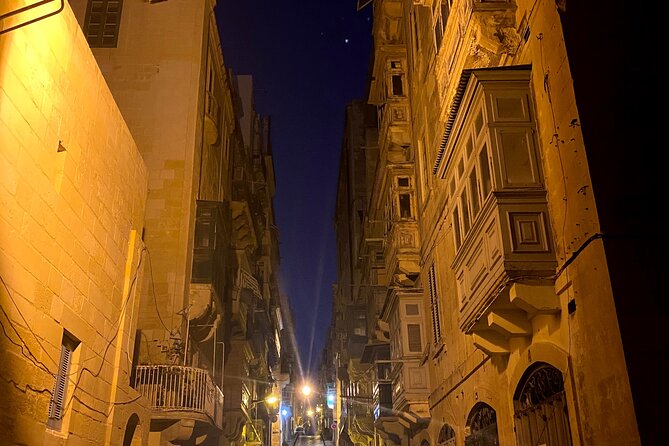
The walk then reaches the area opposite Marsamxett, where you can see Manoel Island. The stop lasts around 15 minutes and introduces a less familiar part of Malta’s past: a quarantine hospital built on the island after a plague outbreak.
This is one of the most useful historical pauses on the route. It shows how disease shaped the city and its waterfront, and it gives the ghost stories a wider human setting. Fear in old Valletta was not limited to apparitions. Plague, isolation, and quarantine were real dangers, and the remains of those stories still influence how you understand the harbor.
The stop does not include an admission ticket, and the tour description does not indicate a visit inside the quarantine hospital. You should think of it as a viewpoint and narrated history stop. The waterfront setting may also provide a break from the tight streets before you return to the heart of Valletta.
This section helps keep the tour from becoming repetitive. Every stop is not simply another haunted room. You move from a street story to a theater legend and then to public health and quarantine. That range is one reason the experience can appeal even if you are not strongly interested in ghosts.
One hour through Valletta’s narrow streets
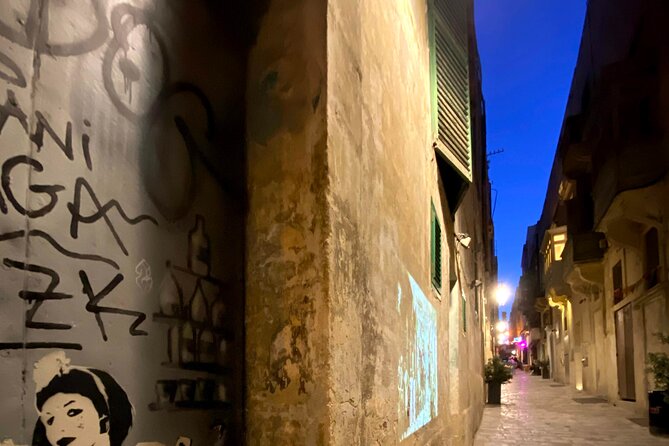
The longest part of the tour lasts about an hour and takes you through Valletta’s dark, narrow streets. This is where the guide tells more horror stories from the city’s past and builds the mood through movement rather than a string of isolated stops.
The length matters. A short ghost walk can feel like a quick add-on, but an hour in the old streets gives the guide time to connect different stories and periods. It also means you should be prepared for a genuine walking tour, not a stationary performance.
I would wear shoes with solid support and bring water. One participant gave exactly that advice after using the tour as a team-building event. The route may not be physically demanding in the way a hike is, but two hours on stone streets can still tire your feet.
The pace also affects how much history you absorb. Guides described as friendly and engaging can make a long narrated section enjoyable, but the experience will not suit you if you prefer to move quickly or explore independently. You are following a set route and listening for much of the evening.
The atmosphere is likely strongest in this central section. Valletta’s old streets provide the scenery, while the guide supplies the sense of unease. Still, keep your expectations realistic. This is a narrated historical walking tour with supernatural elements, not a theatrical fright attraction. The stories may intrigue you more than they scare you.
Fort St. Elmo and the National War Museum
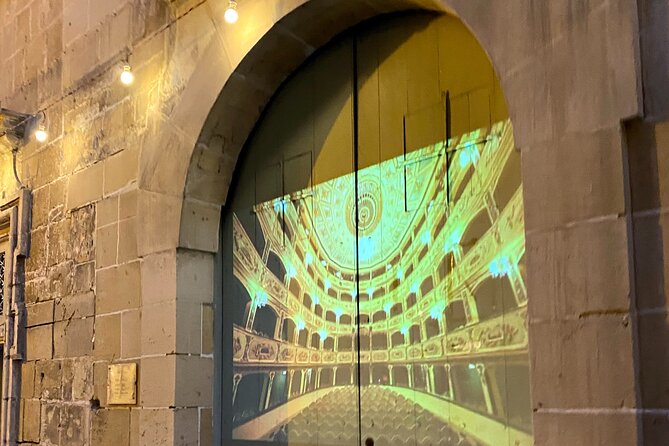
The tour ends near Fort St. Elmo and the National War Museum on Mediterranean Street. The final stop lasts about 10 minutes and asks what has happened, or may still be happening, inside the building.
Ending here gives the tour a strong setting. Fort St. Elmo is linked to Malta’s military past, so the closing stories carry a different tone from the earlier tales connected with streets and theater. The National War Museum also adds a direct connection to conflict and the many difficult chapters in Valletta’s past.
You should note that the tour ends in the Fort St. Elmo area, not back at the original meeting point. This is useful for planning your evening. You can continue exploring the area if it remains open, arrange transport, or walk back through Valletta, but hotel drop-off is not included.
The end point also makes sense for anyone using the tour as an introduction to the city. You finish near a major historical site rather than in a random side street. If you plan to visit the museum separately, check its opening arrangements on another day rather than assuming the ghost tour includes admission.
The guides and storytelling style
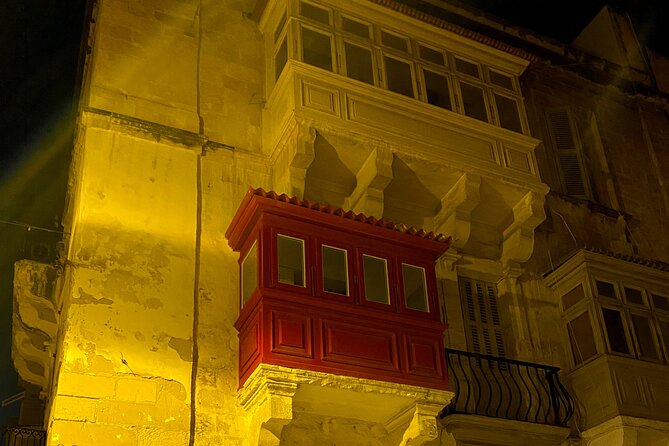
The strongest part of this experience is the guide-led delivery. Matteo is praised for giving clear explanations of Valletta and Malta, adding useful suggestions for people with more time, and handling a group with an easy manner. Another account names Matthew and describes him as well prepared and well informed about both the ghost stories and the history behind them.
The names differ in the available information, so your guide may not be the same person on every departure. The consistent point is the style: friendly, organized, engaging, and able to explain the material clearly.
That is important because ghost tours can vary a lot depending on the person leading them. Here, the historical background appears to be treated as part of the main experience, not as filler between spooky stories. You may hear about the Knights of Malta, British rule, World War II, plague, and present-day Valletta during the same walk.
The small-group approach should help, although the maximum is still 25 people. That is small compared with a large city tour, but it is not a private walk. One account says a guide remained clear even with a larger group, which suggests the presentation is designed to carry well.
Value, timing, and practical limits
No price is provided here, so I cannot judge the tour by its exact cost. The value depends on what you want from an evening in Valletta. You receive about two hours of guided storytelling, local history, and a walk through several important parts of the city, with no separate attraction admissions included.
I would consider it good value if you want an organized introduction to Valletta and enjoy history presented with a little theatrical tension. It is less useful if you mainly want entry into museums or historic interiors, since the experience focuses on walking and narration.
The tour is offered in English and uses a mobile ticket. Confirmation is received at booking, and free cancellation is available if you cancel at least 24 hours before the start time. Cancellations or changes within 24 hours are not accepted for a refund, so keep the local cut-off time in mind.
Most people can take part, and service animals are allowed. The meeting point is near public transportation, but neither hotel pickup nor hotel drop-off is included. The exact route is best suited to people comfortable walking for roughly two hours.
Who will enjoy this ghost tour most?
I would recommend it to you if you like local stories, old cities, and history with a supernatural twist. It also works well for a first evening in Valletta because the route gives you a sense of the city while pointing out places you may want to revisit in daylight.
It is a good fit for a cruise stop as well. One account describes using the tour during a single day in Valletta and finding it useful for covering key areas and collecting ideas for a longer return visit.
The tour may also suit a small work or social group. It has been used successfully as a team-building activity, with the mix of historical facts, dark streets, and unusual stories giving people plenty to discuss afterward.
I would hesitate to recommend it if you dislike night walking, need frequent seating, or expect theatrical jump scares. You should also think twice if you want to enter the sites along the route. The focus is on seeing locations from the route and listening to the guide, not on admission-based sightseeing.
Should you book The Original Valletta Ghost Tour?
Book it if you want a friendly, well-organized introduction to Valletta that combines real events with ghost stories. The best reasons are the varied route, the strong guide-led storytelling, the small-group limit, and the useful connection between supernatural tales and Malta’s past.
Skip it if you want a museum tour, a private experience, or a deliberately frightening production. Bring water, wear comfortable shoes, consider a small light, and remember that you finish near Fort St. Elmo rather than where you started. With those expectations, this looks like a fun and worthwhile way to see Valletta from a darker angle.
FAQ
How long is The Original Valletta Ghost Tour?
The tour lasts approximately two hours.
Where does the tour begin?
It begins at the Sette Giugno Monument, 111 Archbishop Street, Valletta, near St. George Square.
Where does the tour end?
It ends in the Fort St. Elmo area, close to the National War Museum on Mediterranean Street.
Is the tour offered in English?
Yes. The tour is offered in English and is fully narrated by a professional guide.
How many people can join the tour?
The maximum group size is 25 people.
Is hotel pickup or drop-off included?
No. Hotel pickup and drop-off are not included, so you must reach the meeting point and arrange your own return.
Can I cancel for a full refund?
Yes, if you cancel at least 24 hours before the experience start time. Cancellations or changes made less than 24 hours before the start time are not refunded.
Newly added around the world
- Zion: Harry Potter-Inspired Zion Ghost Tour with Sunset View★ 5.0 · 8 reviews
- York : Private Ghost Hunt★ 5.0 · 3 reviews
- Your evening in Venice – Legends&Ghosts&Aperitif★ 4.7 · 79 reviews
- York’s Haunted Heart : Ghost, Ghouls and Gallows★ 4.6 · 82 reviews
- Witches, Widows, & Wraiths: Wichita Ghost Tours★ 5.0 · 2 reviews
- Wraiths of the West Texas Wind: El Paso Ghost Tour★ 4.5 · 9 reviews
- Witches, ghosts and executioners / Mystical North Hesse★ 4.4 · 4 reviews
- Wraiths & Wicked Whispers: Wilmington Ghost Tour★ 4.2 · 25 reviews