
REVIEW · SEOUL GHOST TOURS
Blood & Tears: Korea Dark History Guided Walking Tour
The past is still visible in Seoul. This tour brings Korea’s independence struggle and fight for democracy to life through prisons, memorials, markets, and former torture sites. I especially like the small groups of up to 10 and the guides’ ability to explain difficult events in clear, human terms. The chance to stop at Tongin Market for lunch is another strong point, since it adds an everyday Seoul experience to a serious day of history.
You’ll need to choose between two separate routes, and both involve public transportation and a fair amount of walking. The subject matter is painful, not light sightseeing, and some sites may feel emotionally heavy. Also, Package 2 may adjust its final stop at the Korea Democracy Foundation depending on conditions that day.
Key points to know before booking
- Two different chapters of Korean history: Package 1 covers the colonial period and the independence movement, while Package 2 follows the road from post-war military rule to democracy.
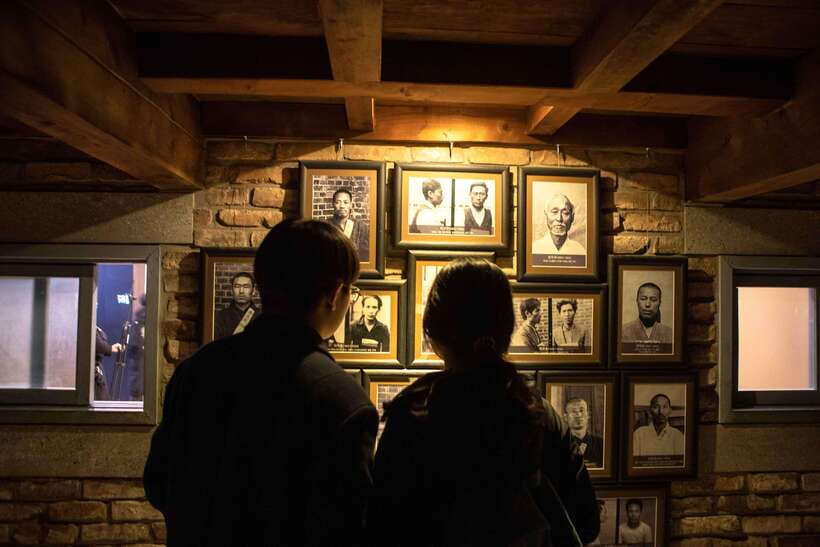
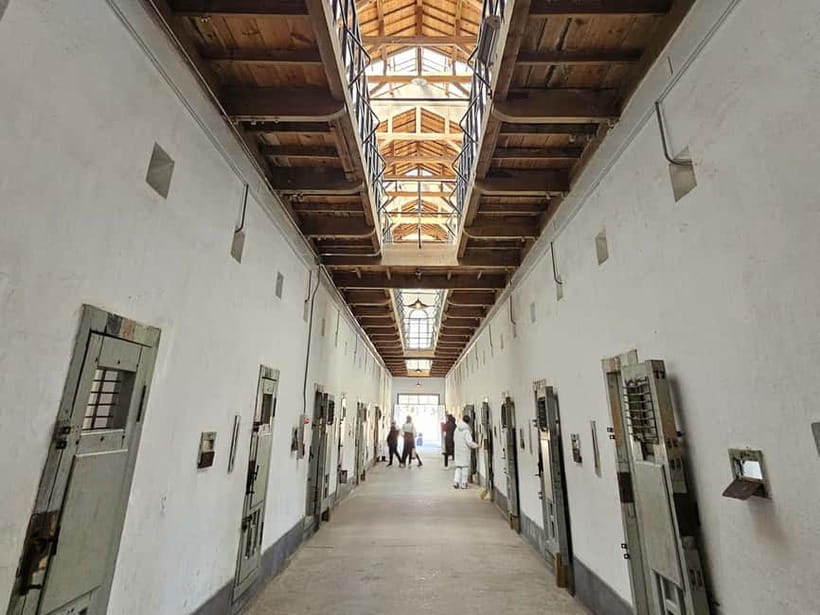
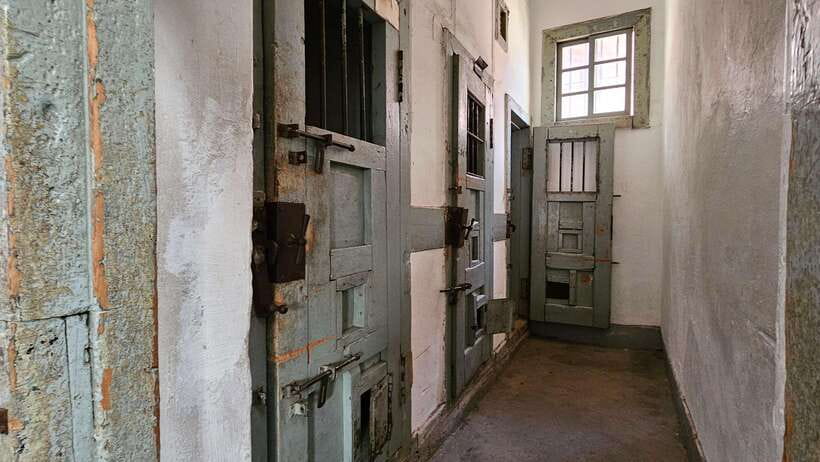
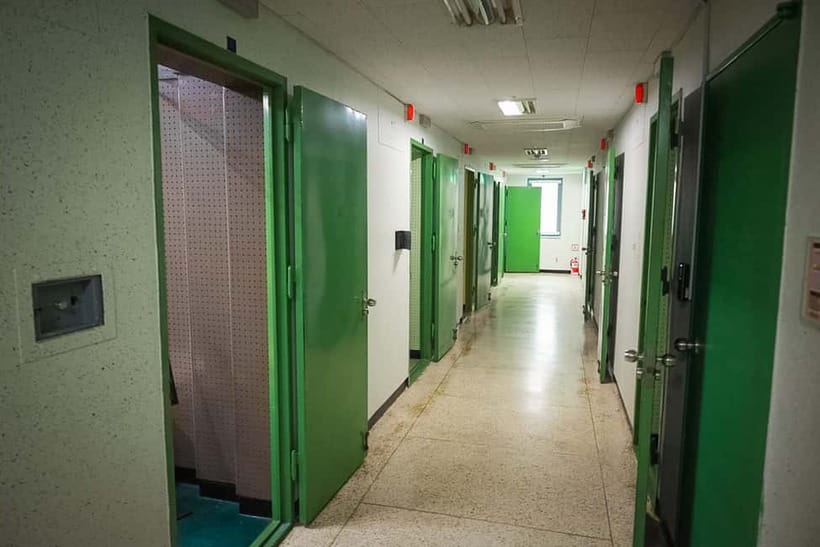
- Seodaemun Prison is the emotional center: Cells, execution areas, and torture rooms make the cost of resistance feel personal rather than abstract.
- Guides do more than repeat museum labels: Joseph, Laura, Gina, Chuck, and other guides have been praised for answering questions, adding political context, and adjusting the pace.
- Tongin Market gives Package 2 a useful local pause: Lunch is not included, but the market stop lets you eat traditional food in an ordinary Seoul setting.
- Public transportation is part of the experience: You move through the city as people do, though strollers and wheelchairs may be inconvenient.
- The price covers useful basics: At $61 per person, admission fees, public transportation during the tour, and an English-speaking guide are included.
Two routes, two very different stories
This is not one fixed tour with two minor variations. You are choosing between two focused experiences.
Package 1, Then: Fight for Independence, begins at 9:30 AM near Dongnimmun Station and ends at Tapgol Park at 1:00 PM. It covers Japanese colonial rule, imprisonment, resistance, journalism, and the March 1, 1919 independence movement.
Package 2, Now: Road to Democracy, starts at 9:50 AM at Gwanghwamun Station and finishes at about 4:00 PM. It looks at post-war reconstruction, military governments, political surveillance, torture, citizen resistance, and the eventual growth of democracy.
If you have only one morning, Package 1 is the shorter and more concentrated choice. If you want a longer day with a market meal and more attention to modern political change, Package 2 gives you more time and a wider timeline.
Taking both would offer the clearest picture, but it would also mean spending a large part of your Seoul visit with difficult subjects. I would choose based on your interests rather than trying to collect both simply because they are available.
More Dark History Tours in the world:
- Adults-Only New Orleans Ghost, Crime, Voodoo, and Vampire Tour
★ 5.0 · 6,545 reviews - Edinburgh: Dark Secrets of the Old Town Ghost Walking Tour
★ 4.6 · 1,671 reviews - New Orleans Adults-Only True Crime and Ghost Walking Tour
★ 5.0 · 1,666 reviews
Package 1 begins at Seodaemun Prison
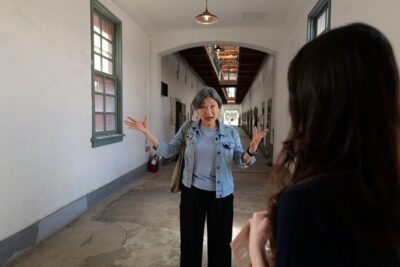
You meet the guide at Dongnimmun Station Exit 5, then head to Seodaemun Prison History Hall. This is the stop that gives the tour its emotional force.
The prison was used to hold Korean independence activists and other people who resisted Japanese colonial rule. Inside, you see prison cells, torture areas, execution facilities, and other parts of the complex connected with imprisonment and punishment. The setting is stark. Cold rooms and narrow spaces do much of the work before the guide even begins speaking.
A good guide matters here. Without context, a prison museum can become a quick series of grim rooms. With clear explanation, you begin to understand who was imprisoned, why resistance was dangerous, and how colonial power operated through fear and punishment. Guides such as Laura have been praised for explaining the colonial period through individual stories instead of treating it as a list of dates.
Give yourself time to pause. This is not a place to rush through while taking photographs. The experience asks you to think about the people who entered these rooms knowing that their defiance could lead to torture or death.
The material may be too heavy for some children or for anyone looking for a relaxed morning activity. I would not pair this with a packed schedule of cheerful attractions immediately afterward. The mood follows you for a while.
Dongnimmun Arch carries a complicated message
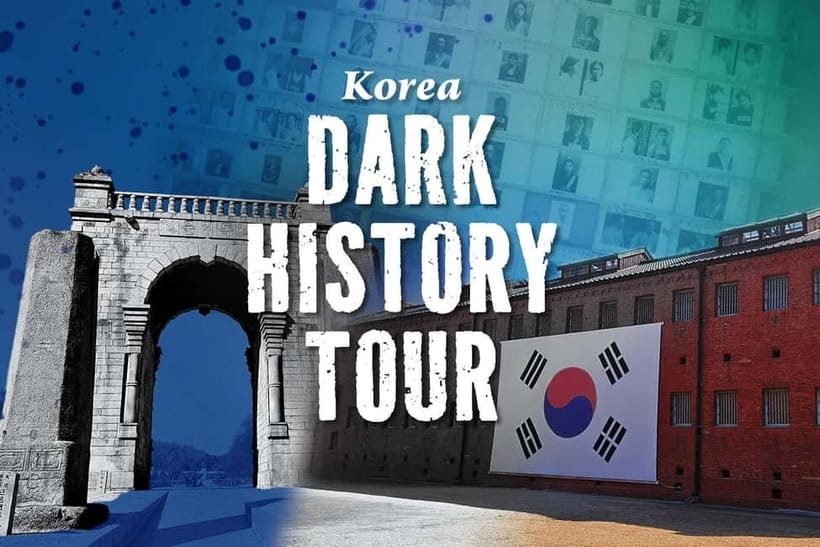
From the prison, the route continues to Dongnimmun Arch. It was built to celebrate Korean independence, but the surrounding story is not simple. The arch later became part of a city shaped by Japanese colonial control, so the site brings together hope, national pride, and the reality of occupation.
This is one of the tour’s useful habits: it does not treat historical landmarks as isolated monuments. The guide connects the building to the political changes around it and shows how public spaces can carry more than one meaning over time.
You may find this stop less visually dramatic than Seodaemun Prison, but it helps place the prison within a wider story. Korea’s independence movement was not only about famous leaders. It also involved public memory, national symbols, and ordinary people deciding how openly to oppose foreign rule.
Because the tour moves through Seoul by public transportation and on foot, the city itself becomes part of the lesson. You are not looking at history from behind a coach window. You are crossing streets, entering neighborhoods, and moving between places where political events once unfolded.
Dilkusha adds an outside witness
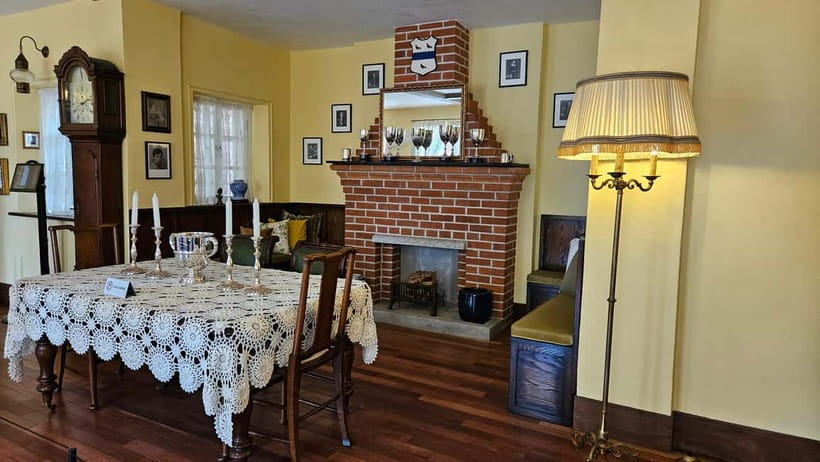
Dilkusha was the former home of Albert W. Taylor, an American journalist who reported on Japanese rule in Korea. The house offers a different viewpoint from the prison and memorial sites. Instead of focusing only on those who resisted directly, it shows how information about colonial violence reached an international audience.
The guide’s role is especially helpful here. A building can seem modest if you do not know why it matters. Taylor’s connection to reporting gives the stop a link to journalism, foreign observation, and the spread of news beyond Korea.
You may need to remove your shoes before entering Dilkusha to help protect the historic residence. Slippers are provided, so wear socks if that detail matters to you. It is a small practical point, but knowing in advance keeps the visit from catching you off guard.
This is also a useful place to slow down after Seodaemun Prison. The tone remains serious, but the subject shifts toward how evidence, eyewitness accounts, and reporting can challenge official silence.
More Ghost Walking Tours in the world:
- New Orleans Premier Ghost, Voodoo and Vampire Walking Tour
★ 4.5 · 12,856 reviews - Chicago: Gangsters and Ghosts Walking Tour
★ 5.0 · 7,155 reviews - Prague: Ghost Walking Tour Where Legends Come To Life
★ 4.4 · 5,253 reviews - Savannah History and Haunts Candlelit Ghost Walking Tour
★ 5.0 · 3,235 reviews
Tapgol Park closes the independence route
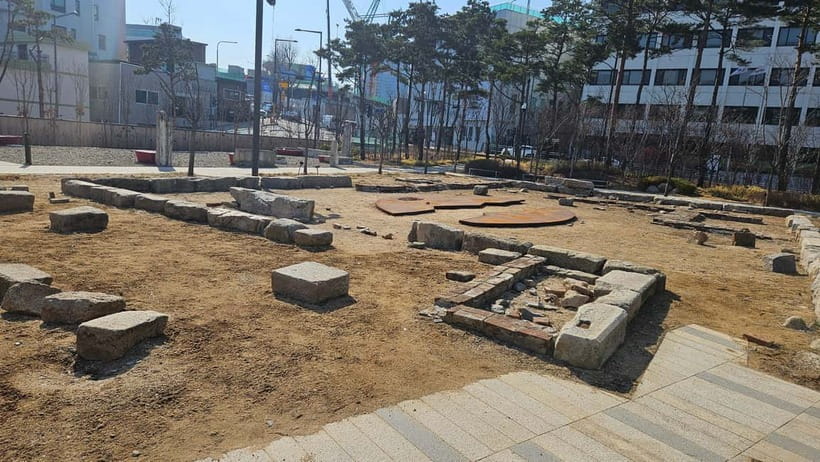
The first package ends at Tapgol Park at about 1:00 PM. In 1919, the first cries for independence were heard here, helping spark a nationwide uprising.
That ending works well because it moves the story from private suffering to public action. Seodaemun Prison shows the price of resistance. Tapgol Park shows how resistance could spread through crowds and shared conviction.
You finish in a central part of Seoul rather than returning to the starting point. That makes it easy to continue sightseeing, have lunch, or take a quiet break. I would keep the afternoon flexible. The route is short enough to fit into a larger day, but the material deserves more attention than a quick stop between shopping plans.
Package 2 starts with modern Korea’s political setting
The second package begins at Gwanghwamun Station Exit 7 at 9:50 AM. Your first stop is the National Museum of Korean Contemporary History.
This museum provides the basic framework for understanding Korea after the colonial period. You learn about post-war reconstruction, military governments, political control, and citizen resistance. Without this background, later stops such as the Namsan KCIA site can feel disconnected. The museum helps explain how a country could experience rapid economic and social change while political freedom remained restricted.
This is where the guide’s ability to adjust explanations becomes valuable. Michael, who led one small tour, was praised for shaping the conversation around the group’s questions. Joseph has also been praised for answering questions and allowing a smaller group to move at a comfortable pace.
You are not simply being shown objects. You are being given a framework for understanding why democracy did not arrive quickly or easily. The subject includes painful political events, including the broader history of South Korea’s democratization movement and the Gwangju uprising. The tour presents these issues directly rather than smoothing them over.
For visitors who know Korea mainly through food, music, television, or contemporary technology, this museum supplies essential background. It explains some of the tensions beneath the modern country you see today.
Tongin Market turns history into an everyday experience
The route then moves through Tongin Market, where you have time for a traditional lunch. Meals are not included, so bring money for food, but the stop gives you a useful break in the middle of a long day.
Several people have particularly enjoyed the market’s boxed meals. The guide can help you find food in a setting that feels more local than a standard sightseeing restaurant. That matters because a history tour can become mentally tiring. A simple meal and time to look around give you room to process what you have heard.
Tongin Market also prevents Package 2 from becoming a march between political sites. You see part of Seoul’s daily life, then return to the harder subject of surveillance and state violence.
Do not expect a long food tour. The main purpose remains history, and the meal is your own expense. Still, this is one of the route’s best practical choices. It gives the day a human rhythm: museum, street, food, then difficult sites.
Namsan KCIA headquarters reveals the machinery of control
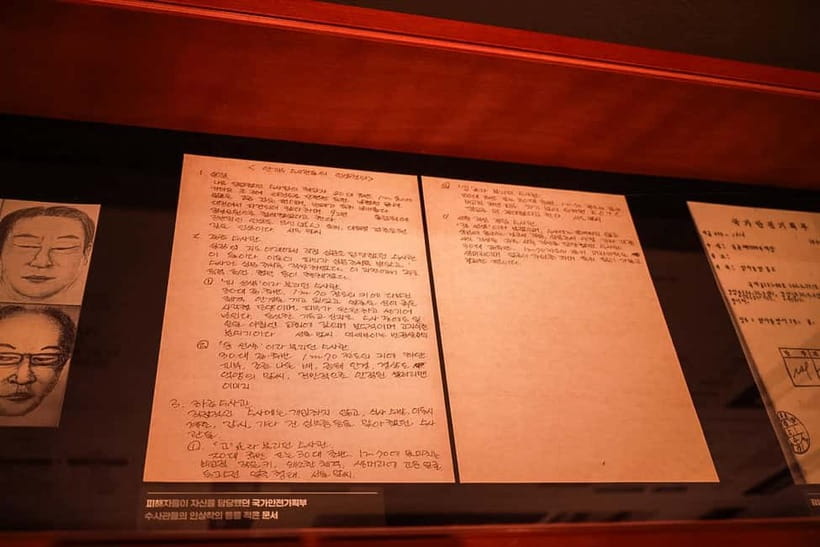
The next section takes you to the former Namsan KCIA headquarters. The site is connected with surveillance, political oppression, and torture during the era of military rule.
The location helps you understand that authoritarian power was not only exercised through public speeches and laws. It also depended on intelligence agencies, interrogation, secrecy, and fear. The tour shows how dissent could be monitored and silenced, particularly when political leaders treated opposition as a threat to the state.
This is likely to be one of Package 2’s most disturbing stops. The subject is not distant colonial history. It concerns modern political repression and events within living memory for many Koreans.
You may appreciate the guide’s tone here. The strongest feedback about this tour has focused on guides who explain why events happened, not only what happened. Chuck, for example, has been praised for making the history feel immediate and understandable. Laura has been described as welcoming questions while keeping the explanation focused.
Expect a serious conversation rather than a dramatic performance. The point is not to shock you for its own sake. It is to show what democracy had to overcome.
The Korea Democracy Foundation completes the modern route
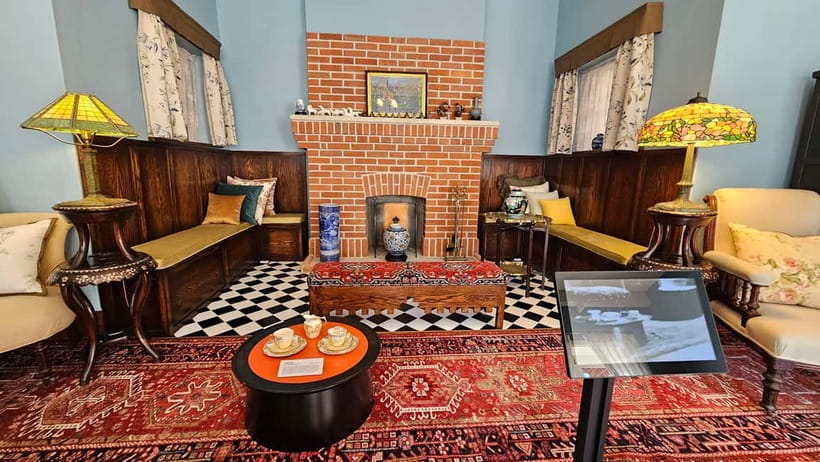
Package 2 ends at the Korea Democracy Foundation at approximately 4:00 PM. The site is associated with Korea’s democratic movement and with former places of political surveillance and torture.
There is an important contrast in the route. Locations once used to silence dissent now help preserve the memory of those who challenged political power. That change gives the final stop a sense of direction without pretending the past was simple.
The visit may be adjusted depending on on-site conditions. Keep that in mind when deciding how tightly to schedule the rest of your day. The route itself remains useful even if this portion changes, but you should not book an evening activity that requires you to finish at an exact minute.
Package 2 is the better choice if you want to understand how Korea moved from military rule toward democracy. It is less about the independence struggle and more about the political battles that shaped the modern nation.
Guides make the difference
The repeated strength of this experience is the guiding. Names that have received especially warm praise include Joseph, Laura, Gina, Chuck, and guide Park.
What I like is the combination of facts and conversation. Guides have been praised for explaining important figures as people, using familiar Korean dramas as reference points when useful, and answering questions without turning the day into a lecture. One small group received a particularly tailored experience because only two people had booked, while the advertised maximum is 10.
That does not guarantee a private tour. Your group may be larger, up to the stated limit, but the format is still far more personal than a large bus excursion.
The best experience will depend partly on your participation. Ask questions. Tell the guide what you already know. If you have an interest in the independence movement, the Gwangju uprising, military rule, or a particular historical figure, say so early.
Is $61 a fair price?
At $61 per person, this is not the cheapest way to spend a morning in Seoul. You could visit some museums independently for less.
The value comes from the combination of admission fees, public transportation during the tour, an English-speaking guide, and the connections between sites. You are paying for interpretation and structure. Instead of trying to understand several difficult locations alone, you get a person who can explain how they fit together.
Package 2 also lasts up to about 330 minutes, includes the market stop, and covers more ground. Since lunch is not included, budget separately for food at Tongin Market.
I think the price is reasonable for visitors who care about history and want more than surface facts. It is less worthwhile if you prefer independent wandering, dislike serious political subjects, or plan to spend the day focused only on palaces, shopping, and food.
Walking, transport, timing, and access
Both packages use public transportation, so comfortable shoes are a smart choice. The exact amount of walking may vary with traffic and weather, and the itinerary may change for those reasons.
The tour is listed as wheelchair accessible, but the practical note about public transportation is important. Strollers or wheelchairs may be inconvenient during the day. Ask for current route details before booking if mobility access is essential.
The meeting point changes with the package:
- Package 1 meets at Dongnimmun Station Exit 5 at 9:30 AM.
- Package 2 meets at Gwanghwamun Station Exit 7 at 9:50 AM.
Admission fees and transport during the tour are included. Meals, insurance, and personal expenses are not. Cancellation is free up to 24 hours before the start, and you can reserve now and pay later, which helps if your Seoul plans are still shifting.
Who should book this experience?
I would recommend Package 1 to anyone interested in colonial Korea, independence activists, journalism, and the March 1 movement. It is also the easier choice if you have only half a day.
Choose Package 2 if you want to understand post-war politics, military governments, surveillance, torture, and the growth of democracy. It suits people who have already seen Seoul’s major palaces and want the political background behind modern Korea.
This tour is especially useful early in a trip. It gives you context for museums, memorials, television dramas, news stories, and conversations about Korean society. One person who took the tour at the start of a visit found that it added meaning to the rest of the holiday.
Should you book Blood & Tears?
Book it if you want Seoul to explain itself honestly. The tour is serious, sometimes painful, and not designed as easy entertainment. That is also its strength.
I would choose Package 1 for a focused morning about independence and colonial rule. I would choose Package 2 for a longer look at Korea’s path from military control to democracy, especially if the market lunch and modern political history appeal to you.
If you can handle difficult subject matter and value a strong guide, the $61 cost is justified. If you want a light sightseeing walk, choose another activity. For everyone else, this is one of the more useful ways to understand the people and political struggles behind the Seoul you see today.
FAQ
How long does the tour last?
The experience lasts between 210 and 330 minutes, depending on the package. Package 1 runs from 9:30 AM to about 1:00 PM. Package 2 begins at 9:50 AM and ends at about 4:00 PM.
Where do I meet the guide?
Package 1 meets at Dongnimmun Station Exit 5. Package 2 meets at Gwanghwamun Station Exit 7.
Are admission fees and public transportation included?
Yes. Admission fees and public transportation used during the tour are included in the price.
Is lunch included?
No. Meals are not included. Package 2 stops at Tongin Market, where you can buy your own lunch.
Is the tour available in English?
Yes. The tour has a live English-speaking guide.
Can I cancel or pay later?
You can cancel up to 24 hours in advance for a full refund. You can also reserve now and pay later.
More Heritage Tours in the world
- Stockholm: Ghost Walk and Historical Tour
★ 4.7 · 2,685 reviews - New Orleans Small-Group Haunted History Carriage Tour
★ 4.5 · 2,289 reviews - New Orleans Haunted History Ghost Tour
★ 4.5 · 2,084 reviews - Genteel and Bard’s Savannah Dark History and Ghost Encounter Walking Tour
★ 5.0 · 1,546 reviews
Newly added around the world
- Zion: Harry Potter-Inspired Zion Ghost Tour with Sunset View★ 5.0 · 8 reviews
- York : Private Ghost Hunt★ 5.0 · 3 reviews
- Your evening in Venice – Legends&Ghosts&Aperitif★ 4.7 · 79 reviews
- York’s Haunted Heart : Ghost, Ghouls and Gallows★ 4.6 · 82 reviews
- Witches, Widows, & Wraiths: Wichita Ghost Tours★ 5.0 · 2 reviews
- Wraiths of the West Texas Wind: El Paso Ghost Tour★ 4.5 · 9 reviews
- Witches, ghosts and executioners / Mystical North Hesse★ 4.4 · 4 reviews
- Wilmington: Boos and Booze Haunted Pub Crawl★ 4.0 · 8 reviews
Seoul Ghost Tours, compared.
Evening Dark History, Folklore & Ghost Story Walking Tour
Read our review →
Dark Side of the City and Ghost Stories Walking Tour
Read our review →
Seoul’s Hidden Dark History Guided Tour of Seodaemun Prison
Read our review →Browse the lists this tour appears in