
REVIEW · JAPAN GHOST TOURS
Tokyo: Ghost Tour with Scary Japanese Stories and Folklore
Tokyo has a spooky side. This small-group walking tour takes you from Tokyo Station to Yoshiwara-jinja Shrine and through Asakusa’s old Shitamachi district, mixing Japanese folklore, reported paranormal events, true crime, and local history. I like the unusual route and the focus on stories tied to real places. I also like that the tour includes a traditional Japanese snack, a small touch that makes the evening feel more personal.
The main thing to consider is the $90 price, which is a serious outlay for a walking tour. You are paying for a specialist guide, storytelling, and access to a side of Tokyo that is easy to miss, not for transportation, a meal, or a long list of major sights. The walking is done at night, and the subject matter may be too intense for children under 10 or anyone with heart problems.
Key points at a glance
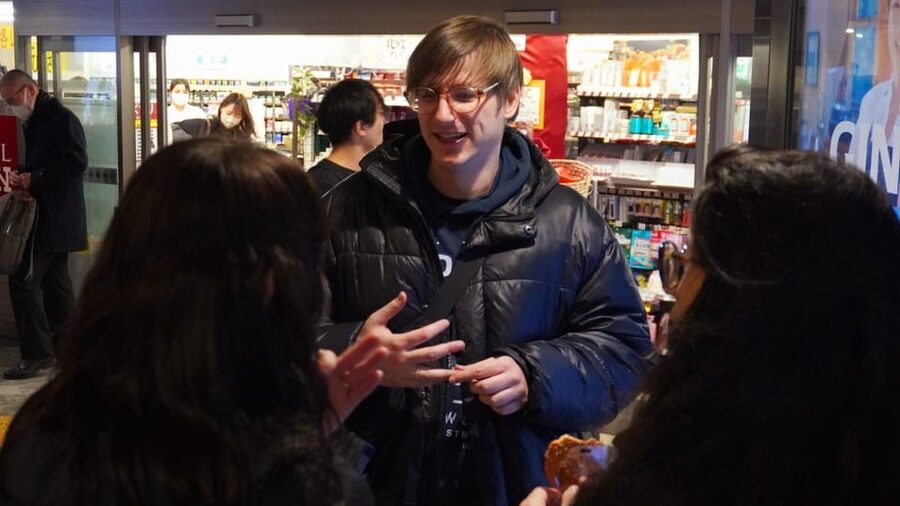
- The meeting point is inside Tokyo Station: Find the Marunouchi North Exit in the station’s north wing, where your guide will wait with a sign bearing your name.
- Yoshiwara-jinja Shrine is the emotional center: The shrine is tied to a vengeful spirit said to have haunted the area for more than 1,000 years.
- The stories go beyond ghosts: You may hear local legends, reported paranormal activity, true crime, and missing-person stories.
- The route reaches Asakusa’s Shitamachi district: This gives the tour a stronger sense of place than a generic ghost walk.
- The tour works for several language groups: Guides are available in English, French, German, and Italian.
- Bring walking shoes and a camera: Flash photography is not allowed, so plan to photograph respectfully without flash.
Why this Tokyo ghost tour is different
Many city ghost tours rely on a few dark tales and dramatic pauses. This one has a more specific setting. It connects stories to Tokyo Station, a shrine, and Asakusa’s Shitamachi district, giving you actual places to look at while the guide explains what happened there or what people believe happened.
I like that the tour does not appear limited to supernatural material. The guide may also discuss true crime and missing persons, according to the experience description provided by past participants. That wider range should suit you if you enjoy the uneasy edges of urban history, not just tales of spirits appearing in mirrors.
The paranormal stories should be approached as folklore and reported events rather than proven fact. That is part of the fun. A good guide lets you enjoy the mystery without pretending every old story can be verified. The tour promises both true ghost stories and folklore, so you can expect a blend of local belief, historical anecdotes, and accounts of strange activity.
The experience is listed as a one-day activity, but the available details do not give a precise walking duration or a fixed number of hours. Check the available start time before booking. Since the tour takes place at night, you should also allow enough time afterward to return to your hotel or continue your evening plans.
More Ghost Story Tours in the world:
- Prague: Ghost Walking Tour Where Legends Come To Life
★ 4.4 · 5,253 reviews - Prague: Ghosts, Legends, Medieval Underground & Dungeon Tour
★ 4.3 · 5,104 reviews - Prague: Ghosts and Legends of the Old Town Evening Tour
★ 4.5 · 3,091 reviews
Starting inside Tokyo Station at the Marunouchi North Exit
The tour begins at Tokyo Station’s Marunouchi North Exit, also called Marunouchi-Kitaguchi. The meeting point is inside the station, in the north wing. That detail matters because Tokyo Station is enormous, and heading to the wrong side of the building can cost you precious minutes.
Look for signs directing you to the Marunouchi North Exit. Your guide will wait with a sign showing your name. I would arrive early enough to find the correct wing, especially if you have luggage, are unfamiliar with Tokyo Station, or are arriving during a busy part of the day.
Starting here gives the tour an interesting first setting. Tokyo Station is one of the city’s great meeting points, full of commuters and polished modern infrastructure. The tour then shifts toward older neighborhoods and darker stories. That contrast helps show how Tokyo layers the modern city over older memories.
Transportation to and from the attractions is not included. The walking route begins at the station, but you are responsible for getting to the meeting point and making your own way afterward. Drinks are also not included.
Tokyo Station and the first stories
The first guided portion takes place around Tokyo Station. The supplied details do not identify every stop or story in this section, so you should not expect a fully itemized route in advance. What you can expect is an introduction to the city’s darker side before the tour moves toward the shrine and Asakusa.
This opening can be useful if you have just arrived in Tokyo. Rather than beginning in a quiet back street, you start at a landmark that is easy to locate by rail. The guide can then set the tone and explain how old stories, urban change, and local beliefs fit together.
Guides associated with this tour include Matthias and Maikel. One past participant specifically praised the range of subjects and identified Matthias as the guide presenting the stories, with Maikel connected to the tour operation. If you want a particular guide or language, confirm availability when booking rather than assuming a named guide will lead every departure.
The tour is available in English, French, German, and Italian. That is a useful choice for couples or small groups who prefer to hear complicated legends and cultural details in a language they understand best.
Yoshiwara-jinja Shrine and the 1,000-year spirit
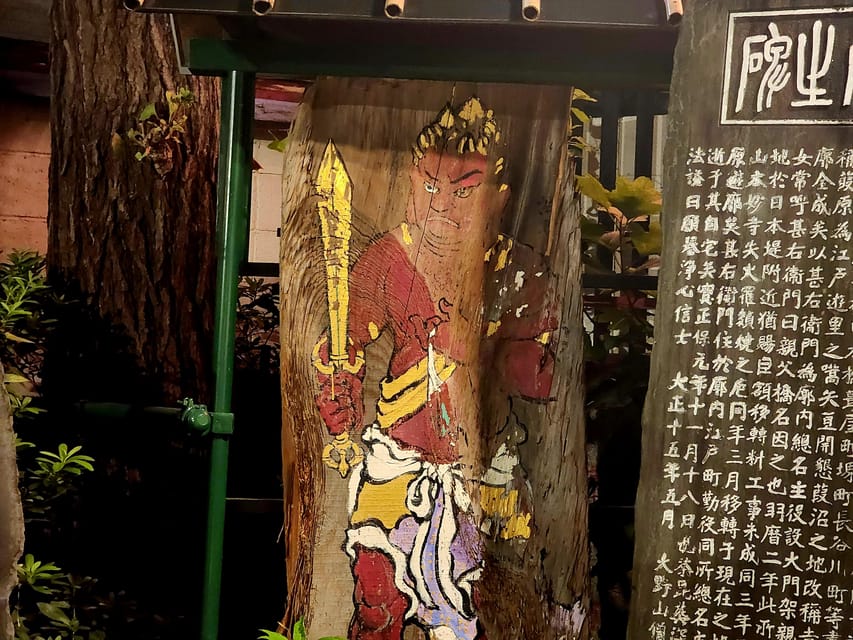
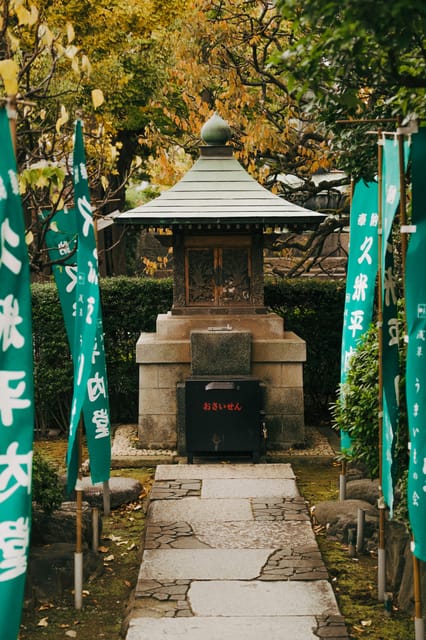
Yoshiwara-jinja Shrine is the clearest reason to book this experience. The tour takes you to a shrine associated with a vengeful spirit that is said to have haunted the area for more than 1,000 years. The age of the story gives the stop weight, even if you treat the supernatural claims as legend.
One especially striking detail is the local fear surrounding the shrine. People working in nearby offices are said to avoid turning their backs toward the shrine. That small piece of living belief is more interesting than a simple story about a ghost from the past. It suggests that the shrine still affects how some people relate to the surrounding space.
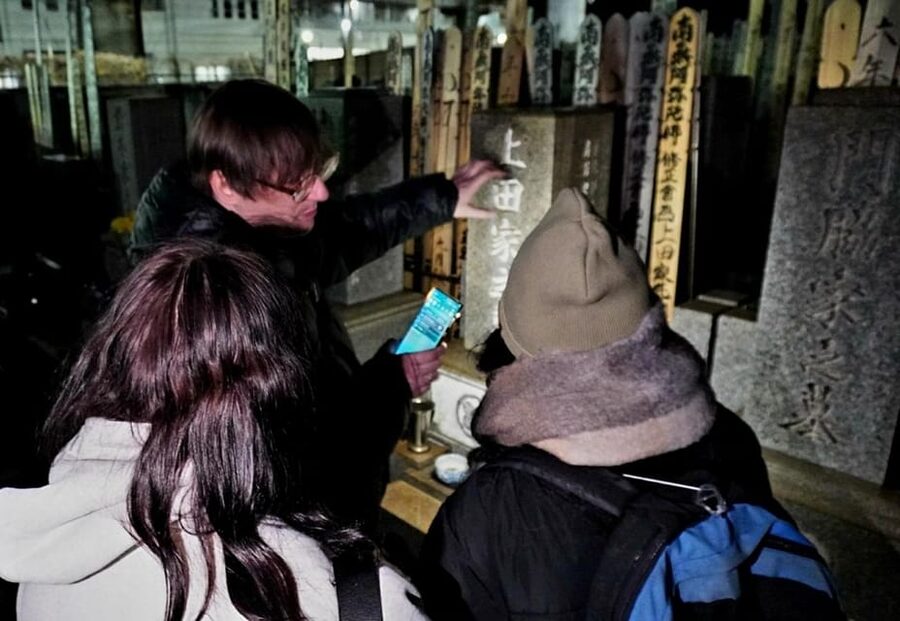
At the shrine, the guide explains reported ghostly activity from across the centuries. You should expect storytelling rather than a formal religious visit or a guaranteed paranormal event. The value is in hearing why the place has acquired its reputation and how the story has continued.
Please keep your behavior respectful. This is a sacred site, not a stage set. The tour prohibits flash photography, and that rule is sensible here. You may bring a camera, but use it without flash and follow the guide’s instructions.
A few more hauntings around the world worth booking
- New Orleans Premier Ghost, Voodoo and Vampire Walking Tour
★ 4.5 · 12,856 reviews - The World Famous Underground Ghost Tour
★ 4.5 · 9,272 reviews - Chicago: Gangsters and Ghosts Walking Tour
★ 5.0 · 7,155 reviews - Edinburgh: Haunted Underground Vaults and Graveyard Tour
★ 4.6 · 6,607 reviews
Asakusa’s Shitamachi district after dark
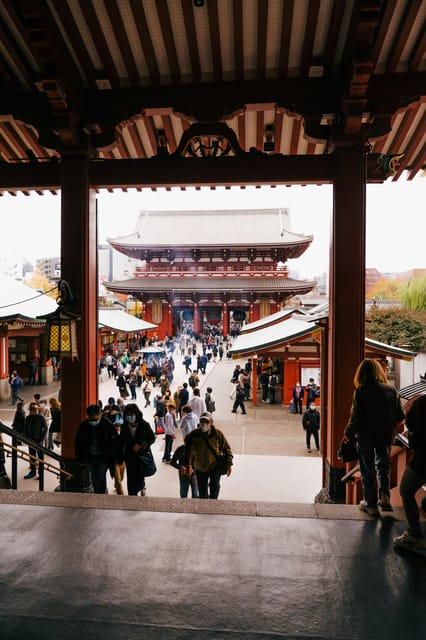
The route continues into Asakusa’s Shitamachi district. Shitamachi refers to the traditional low-city neighborhoods of old Tokyo, and this setting gives the ghost stories a stronger local character. You are not simply walking between unrelated spooky attractions. You are hearing stories in one of the city’s older cultural areas.
The nighttime setting changes how you see Asakusa. Familiar streets can feel quieter, less polished, and more atmospheric after dark. I like this part of the tour because it adds place and texture to the storytelling. You are not only listening to legends. You are also paying attention to the streets, shrines, and buildings around you.
The route is described as taking you far and wide, but the exact number of stops is not supplied. Wear comfortable shoes and expect a fair amount of walking. The tour is not a good choice if you want to remain in one indoor location or avoid walking at night.
Asakusa also helps balance the darker material. The district is a real neighborhood with its own history and daily life, not merely a collection of haunted sites. That makes the experience more useful for you if you want a different introduction to Tokyo rather than a narrowly staged scare attraction.
The storytelling: folklore, paranormal reports, and true crime
The strongest feature is likely the guide’s storytelling. The subject list includes Japanese legends, ghost stories, reported paranormal activity, true crime, and missing-person cases. That range gives the tour room to change pace. One story may explain a long-held belief, while the next may concern a more recent and unsettling event.
A rating of 4.7 from seven reviews suggests a very positive response, though the sample is small. The individual feedback praises the variety of subjects, the insight into the local area, and the guides’ friendly presentation. One couple described the tour as reaching many different parts of the area, which is useful if you want more than a short walk around one shrine.
The presentation seems to be a major part of the value. Matthias was praised for telling varied stories in an engaging way, while another participant highlighted the friendliness of the guide and the many anecdotes and legends. These comments suggest a conversational experience rather than a dry lecture.
Still, you should know your own limits. True crime and missing-person stories can be more disturbing than traditional ghost tales. If you prefer light folklore, ask the guide about the tone at the start. If you are hoping for jump scares, actors, special effects, or a theatrical haunted house, this is probably not that kind of tour.
The included Japanese snack
A traditional Japanese snack is included. This is not a substitute for dinner, and drinks are not included, but it is a thoughtful addition. One participant specifically praised a delicious snack offered by the guide.
I see this as a small but worthwhile detail. A snack gives the tour a local flavor and creates a natural pause in an evening built around unsettling stories. It also adds value to the experience without changing its main purpose, which is guided storytelling.
Do not book this expecting a food tour. The snack is one included item, not a meal or a tasting itinerary. Eat beforehand if you need a proper dinner, and bring your own water unless you plan to buy it along the way.
Is $90 a fair price?
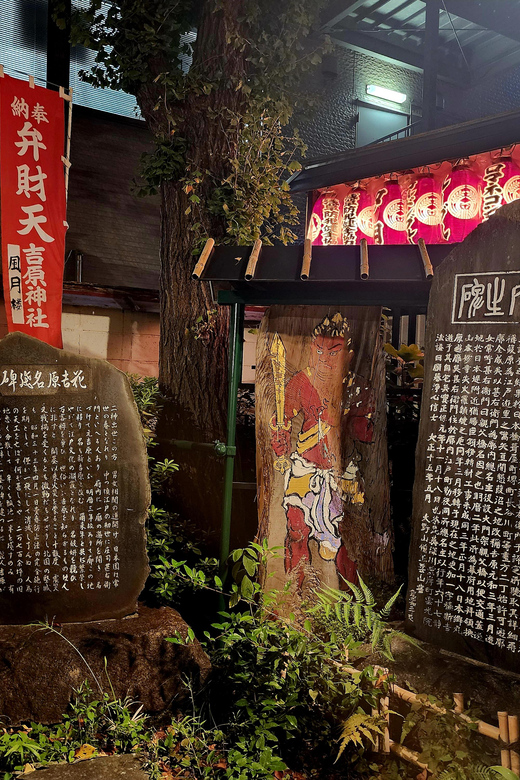
At $90 per person, this tour costs more than a basic free walking tour or a short self-guided visit to a shrine. The price makes sense only if you value the guide’s research, storytelling, and route planning.
You are paying for a professional guide, a small-group format, access to a haunted shrine, stories connected to specific Tokyo locations, and a traditional snack. The option for a private group may also appeal to couples, families with older children, or friends who want a more personal pace.
The price is harder to justify if you mainly want to see Asakusa at night. You could visit the district independently for far less, but you would not get the organized collection of folklore, ghost reports, and crime stories. There is also no included transportation, drinks, or meal to increase the practical value.
I would judge the price by your interest in the subject. If Japanese folklore and strange local stories are central to your trip, $90 can be reasonable for a specialist evening. If you are only mildly curious, the cost may feel high.
Who should book, and who should skip it?
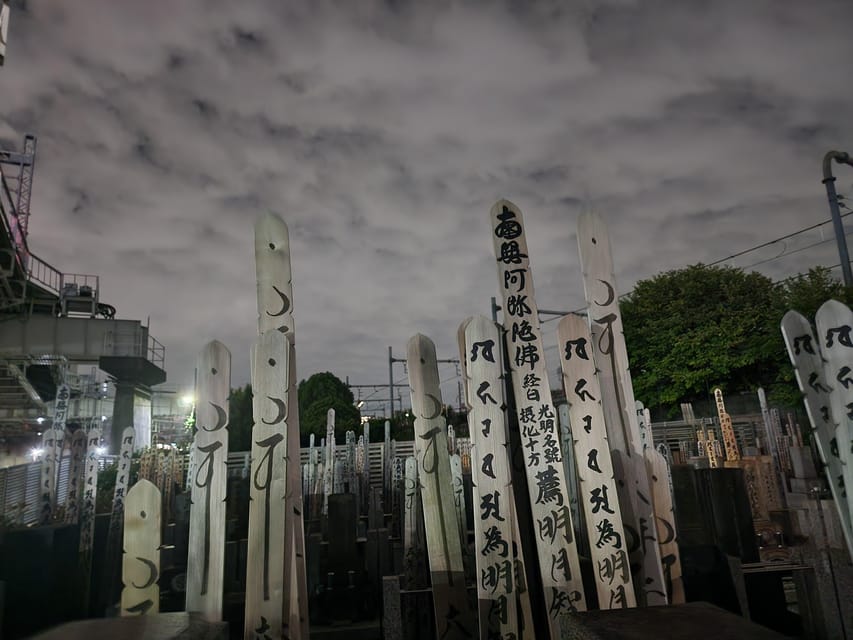
I would recommend this tour to adults who enjoy folklore, urban legends, old shrines, and stories with a darker edge. It also suits you if you have already seen Tokyo’s major sights and want a different way to understand the city.
The small-group format should work well if you prefer questions and conversation over a large crowd. A private group is available, which can be useful if you want to control the pace or keep the experience among friends.
You should skip it if you dislike night walking, have heart problems, or are booking for a child under 10. The tour also may not suit you if you want a standard sightseeing route with famous landmarks and plenty of time for photographs.
Wear weather-appropriate clothing and solid walking shoes. Bring a camera if you like, but remember that flash photography is not allowed. Because the tour happens at night, check the forecast and dress for the conditions rather than assuming Tokyo will feel mild.
Cancellation is flexible: you can cancel up to 24 hours before the activity for a full refund. You can also reserve now and pay later, which helps if your schedule is still changing.
Final verdict: a strong choice for curious night owls
I would book this tour if I wanted Tokyo stories that go beyond temples, food, and neon streets. The Yoshiwara-jinja Shrine visit is the most distinctive element, especially the belief that nearby office workers avoid turning their backs toward it. The route through Asakusa’s Shitamachi district adds a real sense of place, while the mix of folklore, paranormal reports, true crime, and missing-person stories keeps the evening from becoming repetitive.
The main cautions are the price, the night walking, and the serious subject matter. You are paying for atmosphere and a skilled storyteller, not transport or a meal. For the right audience, that is a fair trade. For anyone wanting light entertainment or a family activity, it is a poor fit.
FAQ
Where does the Tokyo ghost tour meet?
The meeting point is inside Tokyo Station at the Marunouchi North Exit, also called Marunouchi-Kitaguchi. It is in the station’s north wing. The guide will wait with a sign showing your name.
What languages are available?
The tour is offered in English, French, German, and Italian.
Is transportation included?
No. Transportation to and from the attractions is not included. You need to reach Tokyo Station independently and arrange your own return transportation afterward.
Is food included?
A Japanese traditional snack is included. Drinks are not included, and the snack is not described as a full meal.
Can children join the tour?
Children under 10 are not permitted. The tour is also not suitable for people with heart problems.
Can I take photographs?
You may bring a camera, but flash photography is not allowed. Dress appropriately for night walking and wear comfortable shoes.
Newly added around the world
- Zion: Harry Potter-Inspired Zion Ghost Tour with Sunset View★ 5.0 · 8 reviews
- York : Private Ghost Hunt★ 5.0 · 3 reviews
- Your evening in Venice – Legends&Ghosts&Aperitif★ 4.7 · 79 reviews
- York’s Haunted Heart : Ghost, Ghouls and Gallows★ 4.6 · 82 reviews
- Witches, ghosts and executioners / Mystical North Hesse★ 4.4 · 4 reviews
- Witches, Widows, & Wraiths: Wichita Ghost Tours★ 5.0 · 2 reviews
- Wraiths of the West Texas Wind: El Paso Ghost Tour★ 4.5 · 9 reviews
- Wraiths & Wicked Whispers: Wilmington Ghost Tour★ 4.2 · 25 reviews
Japan Ghost Tours, compared.
Kyoto Ghost Tour: Dark Tales, Urban Legends, Bamboo Forest Night
Read our review →
Ghost Tour – Legends, Dark Tales, Bamboo Forest Night
Read our review →
Tokyo Ghost Tour Through Haunting Japanese Legends
Read our review →
Ghost Stories and Nightlife Tour of Takayama (Private Tour – Price per Group)
Read our review →
Browse the lists this tour appears in