
REVIEW · CHICAGO GHOST TOURS
Chicago: Gangsters and Ghosts Walking Tour
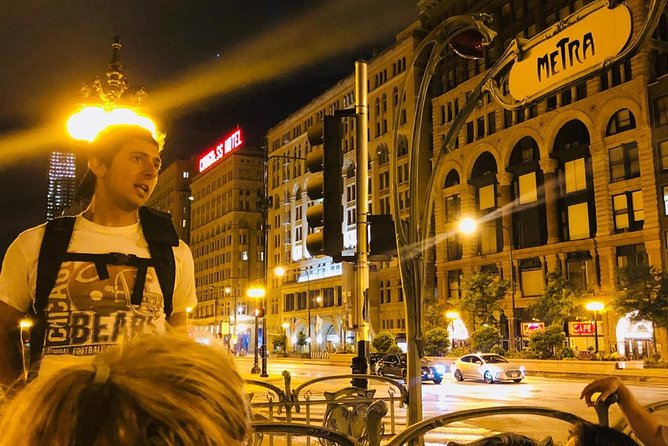
Chicago keeps its secrets after dark. This two-hour Gangsters and Ghosts Walking Tour turns the Loop into a storybook of bootleggers, speakeasies, mob bosses, tragic deaths, and reported hauntings. I like the mix of famous places, such as Millennium Park and the Chicago Theatre, with darker corners you could easily miss on your own. I also like the historian-led storytelling, which gives the tour more substance than a simple collection of spooky tales.
The main drawback is that most of the experience takes place outdoors, and you do not tour the interiors of many sites. Cold, wind, rain, and city noise can affect the experience, though guides such as Taka, Sophia, Tanner, Avery, and Willis have earned strong praise for projecting their voices and keeping groups engaged.
Key points to know before booking
- Al Capone’s Chicago is the central character: Hear about his former headquarters, gangster hangouts, and the Congress Plaza Hotel, where his ghost is said to appear near his old suite.
- The route covers about 1.5 miles: Frequent stops and a refreshment and restroom break make the walk manageable, but comfortable shoes still matter.
- The stories are more campfire than haunted-house theater: The guide explains Chicago history and reported ghost stories in a conversational way, with some guides adding extra theatrical energy.
- You see major landmarks along with darker sites: Millennium Park, the Chicago Riverwalk, the Palmer House, the Chicago Theatre, and Death Alley all fit into the route.
- The group is capped at 20 people: That is small enough for a guide to manage, though busy downtown streets can still make listening a challenge.
- A minibus option is available: The bus version follows the same theme and includes a stop at Harry Caray’s Italian Steakhouse, with one stop for a more focused experience.
Why this Chicago tour works
Chicago’s gangster story is often reduced to Al Capone, Tommy guns, and Prohibition. This tour gives you more than that familiar shorthand. It places those stories in the middle of the Loop, where hotels, theaters, bridges, restaurants, and office buildings still shape the streets you walk today.
I like the way the tour connects ordinary-looking places with their earlier lives. The Palmer House is not just a hotel lobby. The Congress Plaza is not just a grand building on Michigan Avenue. The Riverwalk is not merely a pleasant place for an evening stroll. Each becomes part of a larger tale about crime, tragedy, rumor, and the city’s changing identity.
The ghost stories add atmosphere, but the tour is not presented as a theatrical haunted attraction. The guide tells the tales in an around-the-campfire fashion, mixing reported hauntings with documented Chicago events. That balance should suit you if you enjoy a little mystery but still want real city history.
The strongest part of the experience is the guide. Taka has been praised for her clear voice, timing, and ability to hold a group together on noisy streets. Sophia is known for an energetic, personable style and a more theatrical way of telling stories. Tanner has a good reputation for humor and for making the walk work for different ages.
Those details matter. Downtown Chicago can be loud, crowded, and distracting. A guide who speaks clearly and gives simple directions makes the difference between following the story and falling behind near an intersection.
More Ghost Walking Tours in the USA
- Chicago: Gangsters and Ghosts Guided Walking Tour
★ 4.7 · 1,697 reviews - Haunted Chicago Booze and Boos Ghost Walking Tour
★ 5.0 · 266 reviews - Chicago: Ghosts & Hauntings of the Windy City Walking Tour
★ 4.4 · 45 reviews
Starting at 71 East Wacker Drive
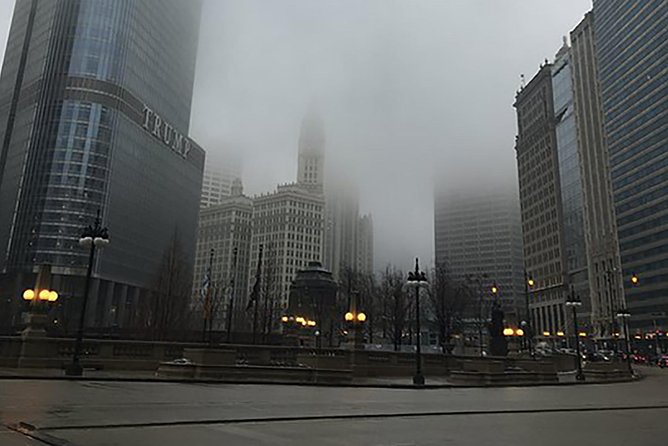
The tour begins at 71 E Wacker Drive, a central Loop location near major hotels, public transportation, and the Chicago River. You meet your guide and group here before setting off through the downtown streets.
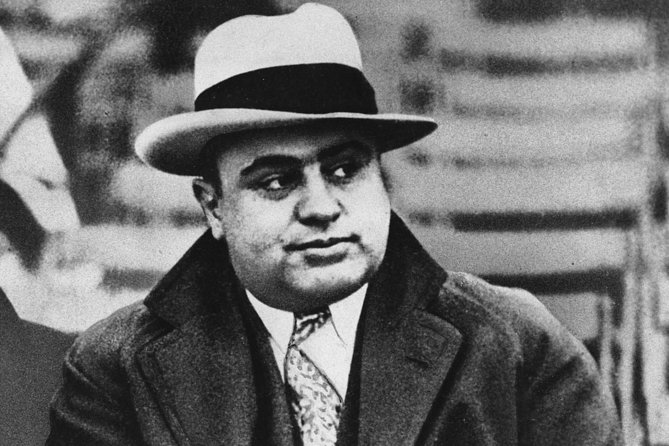
The Loop is an apt setting. During the 1920s and 1930s, this area was associated with speakeasies, vice, bootlegging, and organized crime. The tour also explains how underground passages and secret routes were used by bootleggers, helping you picture how the city functioned during Prohibition.
You should expect a group walk rather than a private conversation. The maximum group size is 20, which keeps the tour from becoming unwieldy, but you still need to stay close to the guide. City traffic, pedestrians, and construction can make it hard to hear at times.
The walk covers about 1.5 miles. It includes frequent stops, so it is not a fast march, and there is a refreshment and restroom break. Still, you are on your feet for much of the two hours, so I would wear shoes that handle pavement well.
Millennium Park and the darker side of downtown
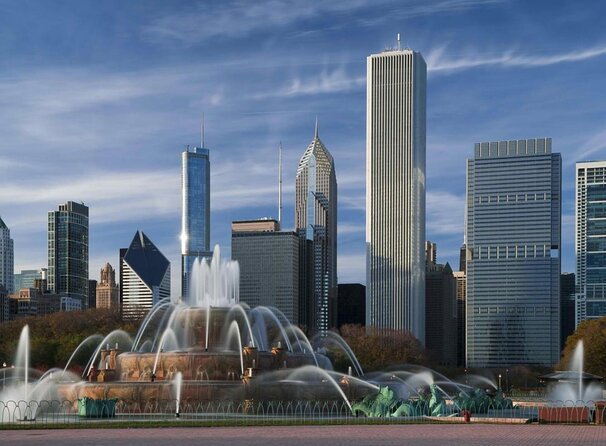
Millennium Park provides one of the tour’s lighter stops. You will see Cloud Gate, the polished sculpture commonly called the Bean, and one of Chicago’s most recognizable public spaces.
At first, this may seem like an odd place for a gangster and ghost tour. That contrast is part of the appeal. You are not being taken to a separate museum or a staged attraction. You are learning how Chicago’s modern public face sits on top of older stories involving crime, disaster, and loss.
The park is also a practical orientation point. If you are new to Chicago, this section helps connect the Loop’s major landmarks before the tour moves into hotels, theaters, and reported haunted sites. The stop is listed at about 15 minutes, enough for photos and a short explanation without turning the tour into a standard sightseeing walk.
Do not expect an extended visit inside the park. Millennium Park is one piece of a moving route, not the main subject.
The Palmer House lobby and Chicago’s hotel ghosts
The Palmer House Hilton is one of the most interesting stops because it combines grandeur with a long list of stories. The hotel is described as the oldest hotel in Chicago and the oldest continuously operating hotel in the United States.
The group pauses in the historic lobby for about 20 minutes. This is also the tour’s main refreshment and restroom break, which is welcome during a two-hour walk.
The Palmer House is presented as a haunted location, so the guide may shift from hotel history to reported supernatural encounters. You get a chance to look around a major downtown interior while hearing why the building has become part of Chicago’s ghost lore.
This stop also shows the limits of the experience. You are visiting the lobby, not taking a full architectural tour or exploring private rooms. If you want long indoor visits at every location, this is not the right format. The value comes from the guide’s story and the setting, not from access to every building.
More Ghost Walking Tours in Chicago:
- Chicago Ghosts & Haunted History Walking Tour
★ 5.0 · 11 reviews - New Orleans Premier Ghost, Voodoo and Vampire Walking Tour
★ 4.5 · 12,856 reviews - London: The Original Jack the Ripper Walking Tour
★ 4.7 · 7,833 reviews - Prague: Ghost Walking Tour Where Legends Come To Life
★ 4.4 · 5,253 reviews
The Riverwalk, bootleggers, and fireside storytelling
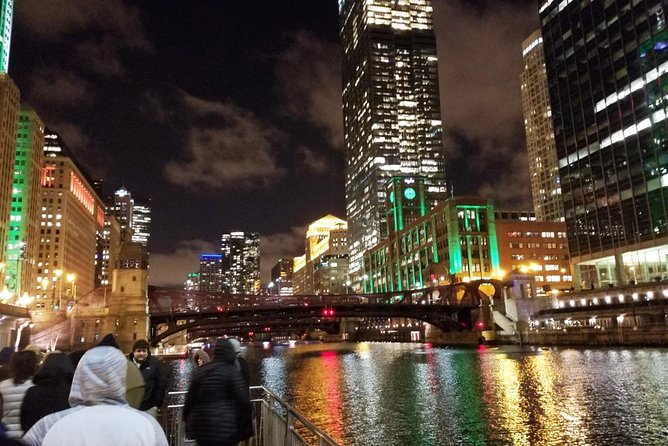
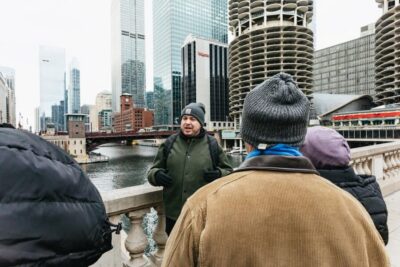
The route continues to the Chicago Riverwalk, where the city’s architecture and waterway provide a good backdrop for stories about movement, business, crime, and tragedy.
The guide continues telling both gangster tales and ghost stories here. The tone is generally conversational rather than theatrical. That makes the experience feel less like a stage show and more like listening to someone connect the city’s streets with its past.
Some of the most memorable material can move beyond Capone. The story of the SS Eastland, a tragic Chicago maritime disaster, has been singled out as one of the subjects that made a strong impression. It adds a human dimension to the tour, reminding you that the city’s darker history is not limited to gang warfare.
The Riverwalk is also one of the places where city noise may become an issue. A strong guide helps. Taka, in particular, has been praised for speaking loudly and clearly enough for a large group on busy streets. Even so, you should stand close enough to hear without straining.
The Chicago Theatre and the city’s public face
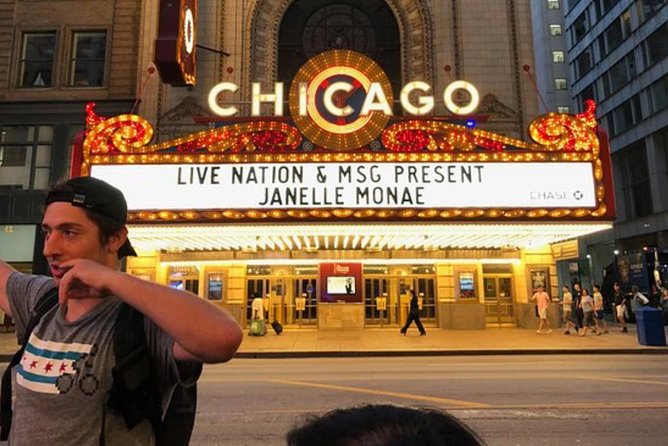
The Chicago Theatre is a short photo stop of roughly 15 minutes. Its marquee and facade provide one of the tour’s most recognizable visual moments.
This stop helps keep the route varied. You are not listening to stories beside similar-looking office blocks for two hours. Hotels, parks, waterways, theaters, and major streets each give the tales a different setting.
The stop is brief, so you should think of it as a chance to take photos and hear the relevant story rather than a guided theater visit. There is no indication that the tour includes entry into the theater itself.
I like this part of the route because it shows how the city’s entertainment districts fit into the same world as speakeasies and organized crime. The theater is glamorous, but the stories around Chicago’s entertainment scene were not always so polished.
Congress Plaza Hotel and Capone’s final chapter on the route
The tour ends at the Congress Plaza Hotel and Convention Center, at 520 S Michigan Avenue. The walk from the Loop finishes at a building associated with both Al Capone and reported hauntings.
The Congress Plaza is named as one of the most haunted places in Illinois. The story tied most closely to Capone concerns his former headquarters and the eighth-floor suite, where his ghost is said to appear most often.
That is a strong final stop because it brings the tour’s two subjects together. You get the gangster history and the ghost story in one location, rather than treating them as separate themes.
The stop itself lasts about five minutes, so do not expect a long hotel visit. The tour ends outside at the Congress Plaza, and that location is useful for continuing your evening along Michigan Avenue or toward nearby attractions.
One practical point: the end is not at the starting location. Check the route before booking and allow for the walk back, a ride on public transportation, or a taxi if you have dinner or another timed activity afterward.
Walking or taking the minibus
The regular experience is a walking tour. It covers about 1.5 miles and includes frequent pauses, which makes it suitable for anyone with moderate physical fitness who is comfortable walking downtown for two hours.
The minibus upgrade offers the same general theme by vehicle, with one stop at Harry Caray’s Italian Steakhouse and one stop designed for a more focused, spine-chilling experience. The supplied details do not state the upgrade price, so you should check the current booking option before deciding.
The bus may be the better choice if weather is poor or if extended outdoor walking is not appealing. The walking version gives you closer contact with the Loop, Riverwalk, streets, and building exteriors, while the minibus should reduce the physical strain.
The walking tour requires good weather. If poor weather causes cancellation, you are offered another date or a full refund. Chicago’s wind and cold can be serious, especially after sunset, so check the forecast and dress for the actual conditions rather than the season on the calendar.
How the guides shape the experience
This is a guide-driven tour. The route matters, but the person telling the story matters more.
Taka has been praised for her strong voice, organization, quick delivery, and command of Chicago history. That combination is useful when the group is large or the city is loud. Sophia brings a warm, energetic manner and sometimes tells stories with extra theatrical flair, which may appeal to families and younger visitors.
Tanner has been described as funny and engaging across age groups. Avery has been praised for creating a pleasant walk with a manageable pace. Willis has been noted as a strong storyteller, though the walk may still feel like a sequence of outdoor stops rather than a series of building visits.
The guide lineup can vary by departure. You cannot assume you will have a particular person, but the repeated praise for clear speaking, good organization, and engaging stories is encouraging.
If you want a serious academic lecture, this may feel light. If you want a dry ghost walk with no historical context, it may feel more substantial than expected. Its sweet spot is entertaining history told in an accessible way.
Is $52 a fair price?
At $52, the tour is not the cheapest way to see the Loop. You can walk past Millennium Park, the Chicago Theatre, the Riverwalk, and the hotels without paying anything.
What you are paying for is the route, the organization, and the guide’s ability to connect those places. A good guide can make familiar landmarks feel new, especially if you have already walked the Loop and want context rather than another photo stop.
The price is easier to justify if you value storytelling and would otherwise spend time researching Chicago’s Prohibition era, hotel legends, and local tragedies yourself. It is harder to justify if you mainly want interior access, museum admission, or a highly theatrical haunted attraction.
The maximum group size of 20 helps protect the value. You are not guaranteed a tiny group, but the cap is more manageable than a large open-entry tour. The mobile ticket also keeps the booking process simple.
Free cancellation is available up to 24 hours before the start time. Cancellations or changes inside that window are not refunded or accepted, so keep an eye on the forecast and your plans.
Who should book this Chicago ghost and gangster walk?
I would recommend it to first-time visitors who want a lively introduction to downtown. It also suits people who know Chicago but want to hear stories they have not encountered on a normal architecture or food walk.
Families with older children and teenagers may enjoy the mix of crime, mystery, and landmark stops. One guide has been praised for holding the attention of an 18-year-old and a parent equally well.
The tour works especially well as an evening activity, though the provided details do not require a nighttime departure. The subject matter feels more atmospheric after dark, but colder temperatures and reduced daylight make clothing and footwear more important.
You may want to skip it if you dislike ghost stories, cannot walk for roughly 1.5 miles, or expect entry into several historic buildings. Most of the tour takes place outside, and the appeal depends heavily on your guide’s storytelling.
Should you book it?
Book this tour if you want Chicago history with a spooky edge, clear explanations, and a walk through the heart of the Loop. The best reasons to go are the strong guides, the manageable route, and the way the tour turns familiar places such as the Palmer House and Congress Plaza into story settings.
Choose the minibus option if weather or mobility is a concern, but check the extra cost first. For the walking version, plan for two hours outdoors, stand near the guide, and wear comfortable shoes.
At $52, this is a fair choice for people who value a well-told story more than formal sightseeing access. It is not a haunted house, and it is not a full architectural tour. It is a lively stroll through Chicago’s darker past, with enough real history to give the ghost stories some weight.
FAQ
Where does the Chicago Gangsters and Ghosts Walking Tour start?
The tour starts at 71 E Wacker Drive in Chicago, Illinois.
Where does the walking tour end?
The walking tour ends at the Congress Plaza Hotel and Convention Center at 520 S Michigan Avenue.
How long is the tour?
The experience lasts about two hours.
How far do you walk?
The walking route covers about 1.5 miles, with frequent stops and a refreshment and restroom break.
What landmarks are included?
The route includes the Loop, Millennium Park and Cloud Gate, the Palmer House lobby, the Chicago Riverwalk, the Chicago Theatre, and the Congress Plaza Hotel.
Is Al Capone part of the tour?
Yes. The tour covers Al Capone’s Chicago, including former gangster hangouts, his reported headquarters, and the Congress Plaza Hotel, where his ghost is said to appear near his old eighth-floor suite.
Is there a bus option?
Yes. You can upgrade to a minibus version with the same general stories. It includes one stop at Harry Caray’s Italian Steakhouse and one stop for a more focused experience.
What is the cancellation policy?
You can cancel at least 24 hours before the start time for a full refund. Cancellations or changes made less than 24 hours before the start time are not refunded. If poor weather causes the tour to be canceled, you can choose another date or receive a full refund.
Newly added around Chicago
- Prairie Avenue Haunted History Tour and Ghost Hunt★ 5.0 · 11 reviews
- Lincoln Park Hauntings Ghost Investigation Tour★ 5.0 · 43 reviews
- Haunted Ghosts & The Chicago Outfit Segway Tour★ 4.5 · 38 reviews
- Chicago Hauntings Original Ghost Bus Tour★ 4.0 · 147 reviews
- Ghosts of Chicago Family Friendly Ghost Tour★ 4.0 · 12 reviews
- Embers of the Windy City: Chilling Chicago Ghost Tours★ 4.5 · 121 reviews
- Chicago River Guided Ghost Tour★ 5.0 · 6 reviews
- Chicago Gangsters and Ghosts Luxury Minibus Tour★ 5.0 · 33 reviews
Chicago Ghost Tours, compared.
Medieval Torture Museum Ticket with Audio Guide and Ghost Hunting
Read our review →
Haunted Chicago Booze and Boos Ghost Walking Tour
Read our review →
Embers of the Windy City: Chilling Chicago Ghost Tours
Read our review →
Ghosts & Hauntings of the Windy City Walking Tour
Read our review →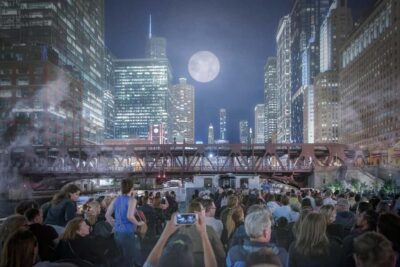
Browse the lists this tour appears in