

REVIEW · AMSTERDAM GHOST TOURS
Amsterdam: Haunted History and Ghost Walking Tour
Amsterdam gets darker after sunset. This two-hour walk brings together spooky legends and solid city history, taking you from Dam Square to old prisons, quiet courtyards, violent lanes, and a landmark tied to early science. I like the way the tour uses real places rather than relying only on theatrical ghost tales, and I especially like the mix of architecture, local customs, and grisly stories.
The guides are a major part of the appeal. Sunil, Duncan, Jan, and others have been praised for humor, clear explanations, and a strong grasp of Amsterdam’s past. My main caution is simple: this is more historical walking tour with ghost stories than a nonstop scare show. If you want jump scares and supernatural effects, you may find it gentle. If you enjoy a good story with your city sightseeing, it offers fine value at $30.
Key points to know before booking
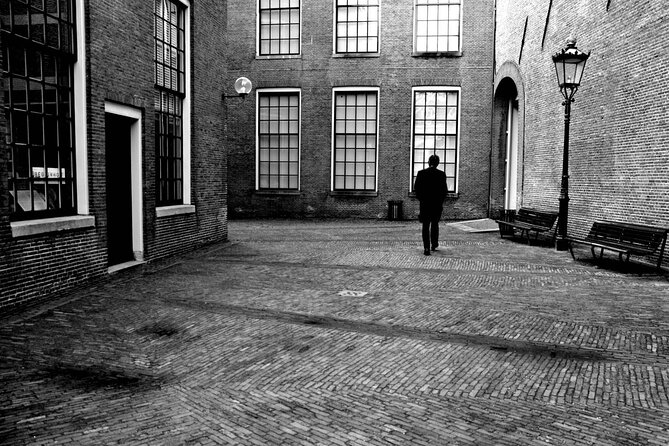
- Dam Square starting point: Meet behind the monument in front of Hotel Krasnopolsky, a central spot that is easy to reach.
- Five atmospheric stops: The route includes Nieuwe Kerk, Spinhuis, Begijnhof, Blood Street, and the Waag.
- History comes first: Expect stories about prisons, religion, violence, medicine, science, and Amsterdam’s growth.
- Guides make the difference: Sunil, Duncan, and Jan have been praised for humor, detail, and lively storytelling.
- Two hours on foot: The walk is long enough to cover a lot, but several people found it comfortable and not tiring.
- Best after dark: Earlier times offer easier conditions for seeing the city, while later departures may feel more eerie.
Starting behind Dam Square’s grand facade
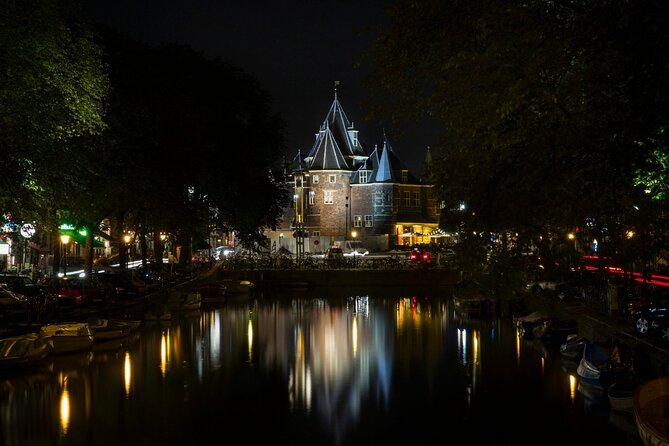
The tour begins in front of Hotel Krasnopolsky, behind the monument at Dam Square. This is a busy central meeting point, so give yourself a few minutes to locate the guide before the group sets off.
Dam Square is a fitting place to start. It is one of Amsterdam’s best-known public spaces, but the tour uses it as a doorway into older and less comfortable stories. You are not simply being shown famous buildings. You are asked to consider what happened here before the city became a popular destination filled with cafés, trams, and shopping streets.
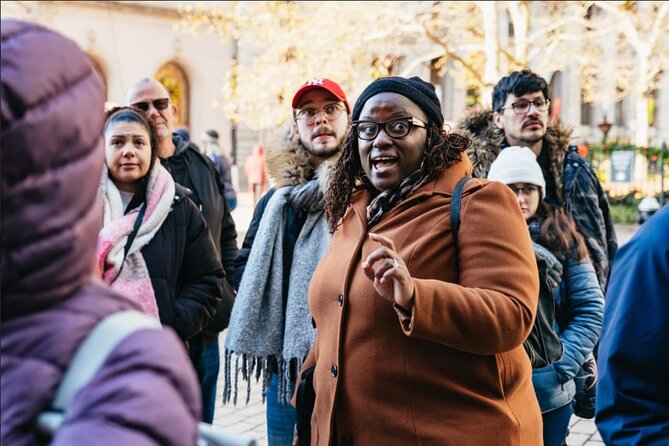
The English-speaking guide is both storyteller and walking companion. The strongest guides appear to be good at adjusting their style to the group. Sunil has been praised for warmth, humor, and clear historical explanations. Duncan is often described as passionate and willing to answer extra questions. Jan has used photographs, paintings, and newspaper material on an iPad to help connect old stories with visible places.
That personal style matters. Ghost stories can feel thin when they are delivered as a list of spooky claims. Here, the better moments seem to come from the way guides explain the setting first, then show how a tale grew from the place.
More Ghost Walking Tours in the Netherlands:
- Amsterdam: Ghost Walking Tour and Dark History
★ 4.8 · 118 reviews - Amsterdam Haunted History and Ghost Walking Tour
★ 5.0 · 47 reviews - Ghost Walking Tour and Dark History in Amsterdam
★ 5.0 · 32 reviews
Nieuwe Kerk and the quiet weight of old ceremonies
Your first stop is the Nieuwe Kerk, close to Dam Square. The church is associated with royal ceremonies, but this walk points your attention toward its crypts, vaults, and the people connected with them.
You can expect the guide to set up a contrast between public ceremony and private burial. Above ground, the church suggests ceremony, power, and national tradition. Below or within its older spaces, the mood shifts toward death, memory, and the possibility of restless spirits.
This is not presented as a theatrical haunted-house visit. The value is in learning how a major Amsterdam building can carry several stories at once. The church is a place of public identity, yet the tour also asks you to think about the individuals who were placed in its vaults and the centuries of human drama tied to the building.
If you have already seen the Nieuwe Kerk during the day, the ghost-tour setting gives it a different mood. The drawback is that you should not assume the tour includes private access to crypts or interior areas. The supplied details describe stories about the church’s crypts and vaults, but not a special after-hours entry.
Spinhuis, where punishment took a human shape
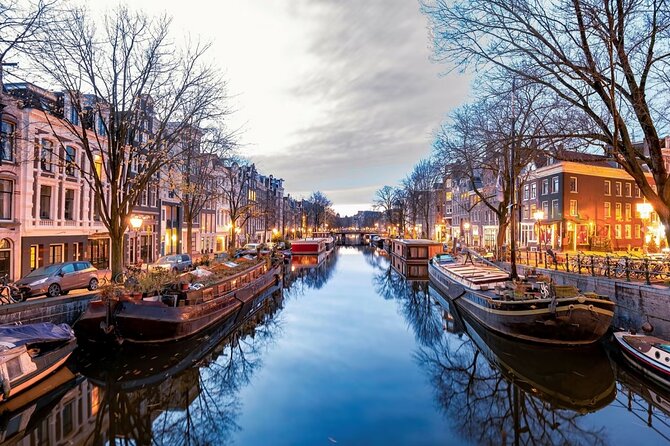
The route then turns toward the Spinhuis, a former women’s prison. This is one of the tour’s strongest historical stops because it shows how Amsterdam dealt with women who were judged to be criminals, disorderly, or socially unacceptable.
The stories here focus on sorrow, confinement, and the suffering associated with the prison. The title of the attraction promises ghosts, but the human story is what gives this section its force. A prison is frightening without any supernatural help. You are standing in a place linked with punishment, restricted lives, and people who had little control over their fate.
I appreciate that this stop broadens the tour beyond simple tales of apparitions. It gives you a better sense of how older Amsterdam functioned and how harsh civic institutions could be. The guide may present the ghostly side through stories of sorrow that seems to linger around the former prison.
This section can feel more somber than scary. If you prefer legends that are playful or theatrical, it may seem heavy. Still, it is one of the stops that gives the walk substance.
Begijnhof and the nun who could not leave
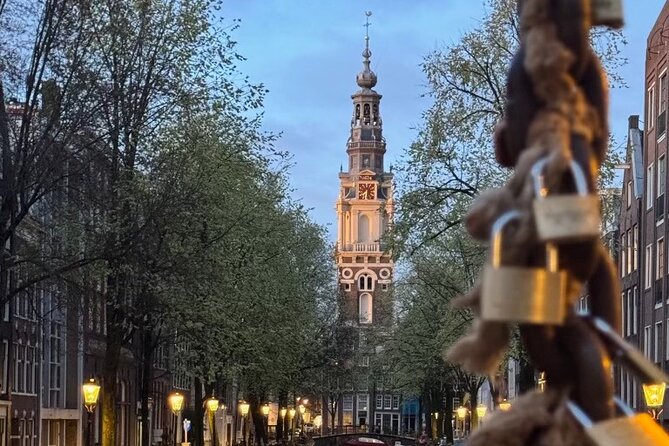
The Begijnhof offers a sharp change of mood. This enclosed courtyard is quiet and tucked away from the noise of central Amsterdam. Its calm appearance makes the tragic story attached to it more effective.
The tale concerns a nun condemned to wander in silence after breaking her vows. The guide connects the setting with her supposed continuing presence, inviting you to listen for footsteps and consider how stories of guilt and penance survive over time.
The Begijnhof stop is valuable even if you are not especially interested in ghosts. It takes you to a peaceful place that you might otherwise pass without understanding its atmosphere or importance. Several guides have been praised for showing people corners of Amsterdam they had not noticed during ordinary walks, and this is exactly the kind of stop that benefits from local guidance.
Please remember that the Begijnhof is a quiet place, not a stage set. The best approach is respectful. You are visiting a residential and historic setting, so the mood depends on keeping voices low and following the guide’s lead.
More Heritage Tours in the Netherlands:
- Guided Walking Tour Amsterdam – Legends, History & Ghost Stories
★ 5.0 · 28 reviews - Amsterdam: Ghastly Grachten: ghost stories&dark history tour
★ 4.9 · 21 reviews - Dordrecht: Dark History Tour
★ 4.5 · 15 reviews - Guided Walking Tour Amsterdam – Dark History & Ghost Stories
★ 4.9 · 11 reviews
Blood Street and Amsterdam’s violent past
The route becomes darker at Blood Street. Even the name gives the guide plenty to work with, but the stories are tied to centuries of violence, murder, and disorder rather than invented horror alone.
This part of the walk shows how street names can preserve memories that modern visitors rarely notice. A lane that looks ordinary in daylight may carry a name linked to bloodshed or punishment. You are encouraged to read the city’s cobblestones and corners as evidence of older events.
The tour’s use of real locations is one of its best features. Instead of hearing a ghost story in a generic room, you hear about violence while standing in the actual urban setting connected with the tale. That makes the story easier to remember and adds a sense of place that a standard city lecture cannot provide.
Blood Street may be the closest the walk comes to classic dark tourism. The material includes murder and mayhem, so this is not the ideal outing for very young children or anyone who dislikes grim subjects. The information supplied does not give an age restriction, but you should consider your group’s comfort level.
The Waag and the troubling side of science
The final major stop is the Waag, described here as the Purgatory of the Waag. This section looks at the Age of Enlightenment, scientific curiosity, and the people who were dissected in the name of medical study.
The Waag is a strong ending because it shifts the focus from supernatural punishment to human curiosity. Scientific progress often has a disturbing side, and the guide uses the building to explore that tension. The stories of bodies, dissection, and restless souls give the final stop a grim edge without needing special effects.
I find this part particularly useful for understanding how the tour works. It is not only asking if you believe in ghosts. It is asking why certain places feel haunted, and how death, medicine, crime, religion, and public memory become attached to buildings.
Some guides use images on a tablet to make old scenes clearer. That can help when a story concerns a building’s earlier appearance or a historical event that is difficult to picture from the street. The experience remains a walking tour, though, so do not expect a museum presentation or an indoor exhibit at each stop.
What the guides add to the experience
The strongest praise is directed at the guides, and that makes sense for a storytelling walk. The same route can feel flat with a rushed narrator and memorable with someone who knows how to pace a story.
Sunil is repeatedly described as friendly, funny, and full of useful facts. Duncan has been praised for his passion for Amsterdam and for sharing information about culture, the environment, Dutch innovation, and the way the city developed. Jan has been noted for strong storytelling and for using contemporary images and printed or digital historical material.
Other guides named in the supplied information include Julia, Lola, Martina, and Jaan. Guide assignments can change, so you should not book expecting a particular person unless the operator confirms it. What you can reasonably expect is an English-language guide who acts as both narrator and city interpreter.
Small groups can make a real difference. Some departures have had only two people, creating the feel of a private walk. A smaller group gives you more room to ask questions and may allow the guide to add stories beyond the main route. Group size is not guaranteed, so treat this as a possible advantage rather than a promise.
Is two hours enough for the route?
Two hours is a useful length for this kind of outing. It gives the guide time to explain the main stories without turning the walk into an all-day commitment.
You will be on foot through central Amsterdam, moving between several stops. Some people found the pace comfortable and said the walk did not leave them tired. Still, wear practical shoes and prepare for weather. Rain and cold have not stopped previous departures, but wet cobblestones and wind can affect your enjoyment.
Timing changes the mood. A 5 p.m. departure can be a smart choice if you want to see more of the streets and avoid a very late finish. One participant specifically preferred the earlier time because of the amount of walking. An 8 p.m. departure may provide more darkness and a stronger ghost-tour atmosphere, though that timing should be checked when booking.
The tour is listed as wheelchair accessible. Because the route uses public streets and historic areas, you may still want to confirm any personal mobility concerns before paying, especially if uneven paving or narrow passages matter to you.
Is $30 a fair price?
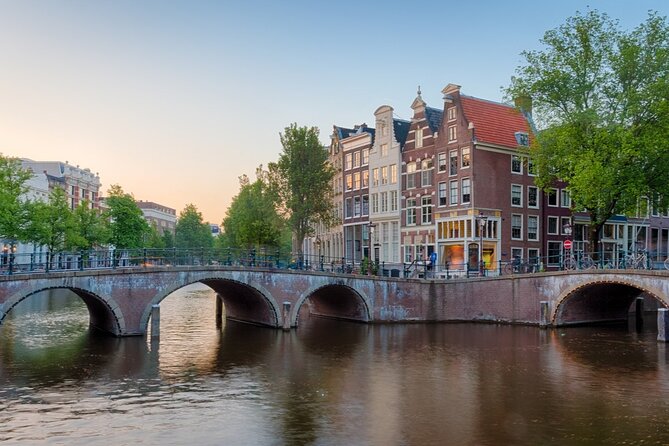
At $30 per person, the price is reasonable if you value a guided city walk rather than a pure scare attraction. You are paying for two hours with a live English-speaking guide, a planned route through several central locations, and stories that combine Amsterdam’s social and architectural past with ghost lore.
The value improves if you are new to Amsterdam. The walk can help you notice places you might pass on your own, and guides may point out details that do not appear in a normal sightseeing route. It can also help you decide what to revisit later, particularly around Dam Square, the Begijnhof, and the Waag.
For repeat visitors, the price depends on your interest in local stories. You may already know the main sights, but the prison, street-name, and folklore material can give familiar streets a new angle.
Food and drinks are not included. That is not a major issue for a two-hour walk, since Amsterdam has plenty of places to stop before or after. Just remember that the cost covers the walking tour and guide, not refreshments or admission to additional attractions.
Who will enjoy this haunted walk?
I would recommend it to first-time visitors who want an unusual introduction to Amsterdam. You will see central landmarks, learn how the city changed over time, and hear stories that do not usually appear in a basic sightseeing talk.
It also suits repeat visitors who have already covered the canals, museums, and major churches. The route is designed around overlooked details and darker episodes, so it can make the familiar city feel less familiar.
History fans will probably get the most from it. The stories touch on religion, law, punishment, medicine, architecture, royal tradition, and urban violence. People who want only supernatural encounters should adjust their expectations. The most accurate description is a historical walk with a spooky thread.
Families should consider the subject matter. The tour includes prisons, murder, despair, dissection, and ghosts. It may suit older children who enjoy dark stories, but the supplied information does not give a recommended minimum age.
Book up to 24 hours ahead for a full refund if your plans change. The reserve-now-and-pay-later option also gives you some flexibility, which is helpful when weather or sightseeing plans are uncertain.
Should you book the Amsterdam Haunted History and Ghost Walking Tour?
Book it if you want real Amsterdam places, dark local stories, and an entertaining guide more than special effects. The strongest reasons are the varied route, the good mix of history and folklore, and the guides’ clear enthusiasm.
Skip it if you want a fully theatrical ghost experience with actors, jump scares, or guaranteed supernatural encounters. This walk is gentler and more informative than its title may suggest.
For most visitors, $30 is fair for two hours of storytelling in the city center. I would choose an evening departure for mood, dress for rain, and arrive ready to listen closely. Amsterdam’s past can be grim, but it is rarely dull.
FAQ
Where does the tour begin?
Meet in front of Hotel Krasnopolsky, behind the monument at Dam Square.
How long does the walking tour last?
The tour lasts two hours.
What language is the tour conducted in?
The live tour guide speaks English.
Which places are included on the route?
The route includes Dam Square, the Nieuwe Kerk, the former Spinhuis women’s prison, the Begijnhof, Blood Street, and the Waag.
Is the tour wheelchair accessible?
Yes, the activity is listed as wheelchair accessible.
Can I cancel for a full refund?
Yes. You can cancel up to 24 hours in advance for a full refund.
Newly added around the Netherlands
- Hattem’s Windmills, Bakeries and Ghosts: A Self-Guided Audio Tour★ 3.5 · 3 reviews
- Gouda, Witches & Cheese – Private Day Tour★ 5.0 · 15 reviews
- Guided Walking Tour Amsterdam – Legends, History & Ghost Stories★ 5.0 · 28 reviews
- Amsterdam Ghost Hunt: Self-Guided Mystery Adventure★ 4.5 · 4 reviews
- Amsterdam’s Ghostly Experiences Group Tour★ 5.0 · 28 reviews
- Walking Tour of Haunted Amsterdam★ 5.0 · 10 reviews
- Dordrecht: Dark History Tour★ 4.5 · 15 reviews
- Guided Walking Tour Amsterdam – Dark History & Ghost Stories★ 4.9 · 11 reviews
Amsterdam Ghost Tours, compared.


Amsterdam Haunted History and Ghost Walking Tour
Read our review →
Ghost Walking Tour and Dark History in Amsterdam
Read our review →
Guided Walking Tour Amsterdam – Legends, History & Ghost Stories
Read our review →
Ghastly Grachten: ghost stories&dark history tour
Read our review →
Guided Walking Tour Amsterdam – Dark History & Ghost Stories
Read our review →Browse the lists this tour appears in