
REVIEW · DUBLIN GHOST TOURS
Dublin: North Quay Guided Ghost Walk
Dublin keeps its darker stories close. This walking tour pairs medieval ruins and Viking-era streets with tales of ghosts, rebels, thieves, and strange apparitions, giving you a different way to understand the city’s northside. I like the mix of solid local history and spooky folklore, and I like that the walk reaches places many visitors pass without noticing. The main drawback is that it can feel more like a history walk with ghost stories than a full horror show.
The $28 price is fair for a guided evening walk, especially if you want a short introduction to Dublin beyond the usual pubs and major sights. Guides such as Kate, Darragh, Matthew, and Derek have been praised for humor and storytelling, though the experience may depend on who leads your departure. Also note the timing: the tour is listed as 1.5 hours in the practical details, while the description refers to two hours, so check the selected departure when booking.
Key things to know before you go

- Saint Mary’s Abbey hides in plain sight: You’ll see the remains of one of medieval Ireland’s most powerful monastic settlements in a small ruin tucked beside modern streets.
- Hendrick Street carries a particularly eerie story: The former homes at numbers 7 and 8 were linked with six ghosts.
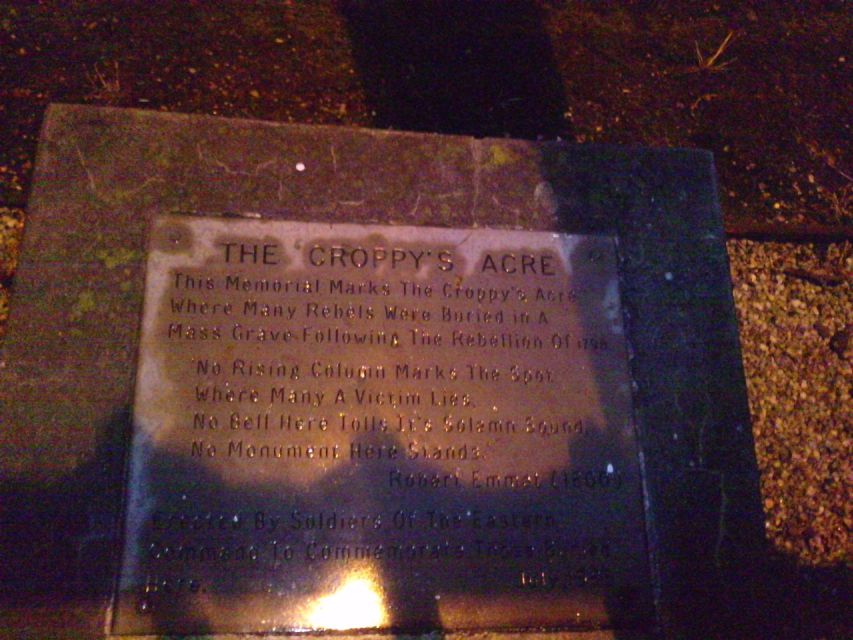
- Croppie’s Acre is both grim and historically important: The old football pitch covers a mass grave connected with rebels executed after the 1798 rebellion.
- This is not a theatrical haunted-house show: The emphasis is on storytelling, history, and atmosphere rather than costumes or jump scares.
- The northside setting feels different from central Dublin: You’ll visit former Viking enclaves and parts of old Oxmantown that many sightseeing routes skip.
- The walk suits curious skeptics as well as ghost fans: You can enjoy the tales as folklore while still learning about Dublin’s past.
Why Dublin’s northside makes a good ghost-walk setting

Dublin’s ghost stories work best when they are tied to real streets, ruins, churches, and political events. This tour uses that connection well. Instead of simply moving from one spooky tale to the next, it places the stories in an old part of the city shaped by monastic life, Viking settlement, rebellion, poverty, crime, and changing neighborhoods.
You begin outside The Church Bar and Restaurant on Mary Street. That is a useful central meeting point, but the tour quickly moves away from the most familiar sightseeing zone. The route explores the northside and the former medieval district of Oxmantown, an area linked with old Viking enclaves.
I like this approach because you get a sense of Dublin as a layered city. A modern street can sit above a medieval story, while a plain doorway or overlooked alley can mark the remains of something important. The ghost material gives the walk its theme, but the city itself supplies much of the atmosphere.
The exact order of stops can vary with the guide and the evening. You should expect to walk between locations rather than remain in one dark building. This is a street tour, so the mood depends partly on the weather, daylight, passing traffic, and the energy of the group.
More Ghost Walking Tours in Dublin:
- Haunted Dublin Walking Tour
★ 5.0 · 550 reviews - Dublin’s Haunted History Walking Tour
★ 4.3 · 345 reviews - Hidden Dublin: Haunted History Walking Tour v2.0 2026
★ 4.5 · 188 reviews
Saint Mary’s Abbey and the forgotten medieval city
One of the early historical anchors is Saint Mary’s Abbey. In medieval Ireland, it was among the country’s most powerful monastic settlements. Today, only a small ruin remains, hidden down an alleyway and passed by large numbers of commuters who may not realize what sits nearby.
That contrast is one of the strongest parts of the experience. The site does not need dramatic staging. Its value comes from seeing how little of a once-important institution remains, and how easily urban life has grown around it.
Your guide explains the abbey’s place in old Dublin and uses the location to shift the mood from ordinary city walk to something more unsettling. If you enjoy history grounded in specific places, this stop may interest you more than a standard ghost story. It gives the rest of the tour a firm historical base.
The drawback is that the ruin is small. You are not visiting a complete abbey complex, and the stop may feel brief if you expect a major monument. Think of it as a revealing fragment rather than a grand architectural visit.
Hendrick Street and Dublin’s six ghosts
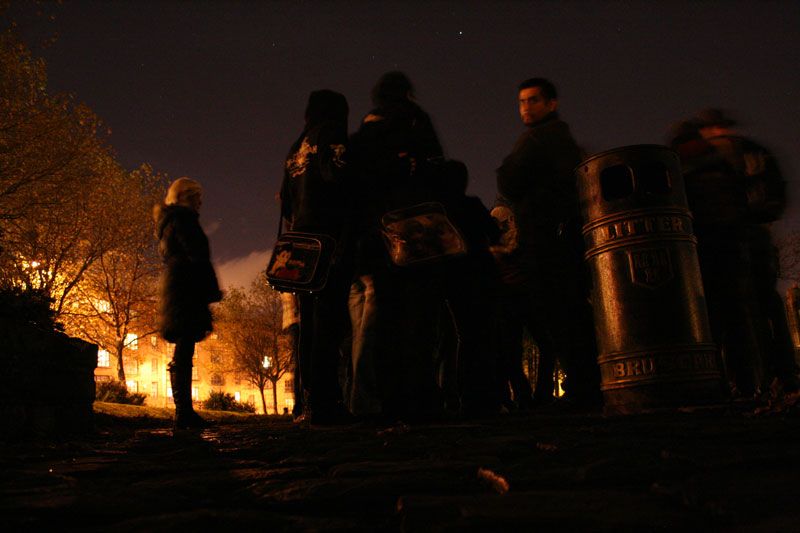
Hendrick Street provides one of the walk’s clearest ghost-tour moments. Between numbers 7 and 8, the houses were associated with no fewer than six different ghosts. The story gives the tour a precise address and a strong visual focus, which is more effective than vague talk of a haunted neighborhood.
You should not expect to enter the homes. The interest comes from standing outside and hearing what is associated with the buildings. That keeps the experience grounded in the street itself, while your imagination handles the rest.
This is also where the guide’s delivery matters most. A good storyteller can make an ordinary-looking building feel charged without resorting to loud theatrics. Darragh has been praised for being personable, while Matthew was singled out for a good sense of humor and well-timed storytelling. Depending on your guide, the same stop may feel more comic, more historical, or more unsettling.
The walk is not designed to frighten you at every turn. Several people who enjoyed it found it entertaining rather than truly scary. If you want a serious scare attraction, this may seem mild. If you prefer ghost lore tied to real places, that restraint is a plus.
Croppie’s Acre and the 1798 rebellion
Croppie’s Acre is likely to be the most sobering stop. The site was used as a football pitch in the 20th century, but beneath it lies a mass grave connected with hundreds of rebels executed after the 1798 rebellion.
That history changes the tone of the walk. The location is not simply haunted because a ghost appeared there. Its weight comes from violence, memory, and the fact that ordinary recreation took place above a burial site. You are asked to think about how Dublin’s past can remain physically present even when a place looks unremarkable.
I appreciate this part of the tour because it gives the supernatural theme some human depth. The stories are not only about mysterious sightings. They also involve people caught in political conflict and the long afterlife of public punishment.
Croppie’s Acre may be uncomfortable for some families, especially younger children who are sensitive to stories about executions and mass graves. The guide’s tone can make a difference, but the subject itself is grim. You should come prepared for more than campfire-style ghost tales.
More Guided Tours in Dublin:
- London Jack the Ripper Guided Tour with Ripper-Vision
★ 4.5 · 4,840 reviews - Paris: Haunted Père Lachaise Cemetery Guided Tour
★ 4.6 · 3,591 reviews - Ghost, Ghouls and Gallows Tour : Guided Tour with Boat Ride
★ 4.5 · 3,212 reviews - London Jack The Ripper Guided Walking Tour
★ 5.0 · 3,131 reviews
Scaldbrother, thieves, and the city below street level
The walk also introduces Scaldbrother, an infamous medieval thief. His story adds a different kind of darkness, one based on crime and cunning rather than spirits. This helps keep the tour varied. You are not hearing the same type of haunting at every stop.
Stories about audacious thieves, underground tunnels, and old city routes have appeared in the tour’s storytelling. One especially memorable account focused on an electric factory and the unsettling possibilities beneath the streets. The exact presentation can differ, but these tales show how the tour uses Dublin’s built environment as part of the story.
For me, this is where the experience becomes useful as a city orientation walk. You learn to look at side streets, old walls, alleys, and industrial traces with more curiosity. The guide may point out details you would otherwise miss, then connect them to a strange event or a local character.
The stories are not presented as a formal academic lecture. Some guides add local color and humor, and that makes the evening lively. Still, if you care deeply about historical accuracy, listen with a little caution. One family from Dublin felt that some facts were unevenly handled and that bits of extra material sounded invented. That does not cancel the fun, but it is worth remembering that this is entertainment built around history, not a scholarly tour.
Saint Michan’s mummies and Bram Stoker connections
You will also hear about the mummies at Saint Michan’s Church. The church itself is described as one of Ireland’s most macabre attractions, and its preserved remains are linked in the tour’s storytelling to Bram Stoker, the Dublin-born author of Dracula.
This part is especially useful if you plan to visit Saint Michan’s separately. The walk gives you context for why the church has such a strong place in Dublin’s gothic reputation. It also connects local history with a famous piece of fiction without pretending that Dublin is simply a Dracula theme park.
The tour does not include entry to the church or its mummies. You hear the story as part of the walking route. That distinction matters when you plan your sightseeing. If you want to see the mummies, you would need to arrange that as a separate stop.
The Bram Stoker connection is a good example of the tour’s wider appeal. You get folklore, history, literature, and urban observation in one outing. It is less about proving that ghosts exist and more about seeing how Dublin’s old stories have shaped its identity.
The Virgin Mary apparition and modern mystery
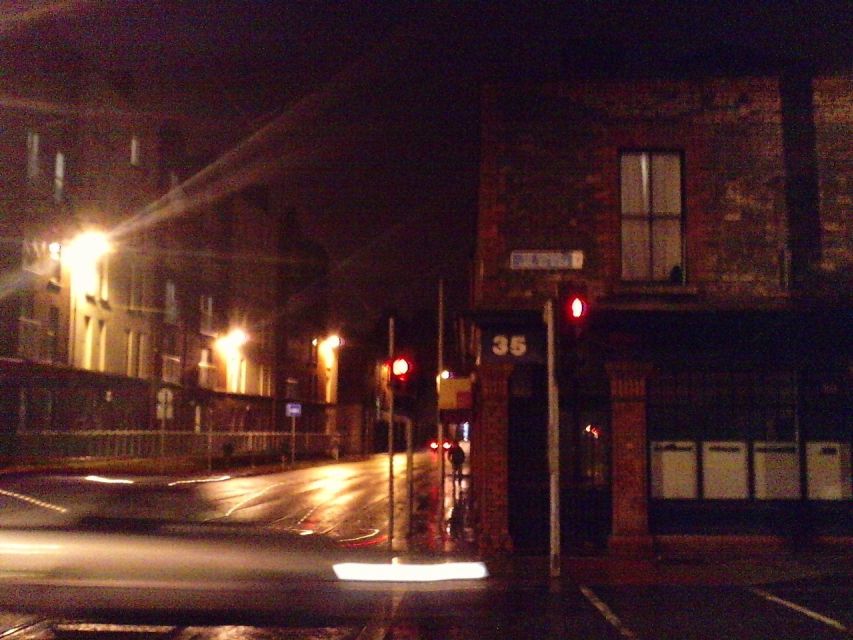
Not every story comes from medieval Dublin. The route also covers the site of a 21st-century apparition of the Virgin Mary. That modern element gives the walk a useful change of period and shows that unusual religious sightings are not confined to old ruins.
I like the contrast between this account and the tales of abbeys, rebels, and medieval thieves. It makes the tour feel less like a fixed museum piece. Dublin’s strange stories continue into recent times, and the guide can compare older beliefs with more modern reactions.
The subject may appeal to you if you enjoy local mysteries and religious folklore. It may be less interesting if you want only historical evidence or traditional ghost stories. As with the other stops, the experience is shaped by the guide’s explanation and your own view of the tale.
How the guides shape the evening
The strongest praise for this walk centers on the guides. Their humor, local knowledge, and storytelling style make a clear difference, especially because the route itself is outdoors and the locations are not lavish attractions.
Kate has been described as well prepared, willing to answer questions, and generous with extra Dublin suggestions after the walk. Darragh has been praised for being funny and personable. Matthew was noted for handling the northside stories with humor and a sense of place, while Derek was praised for knowing a large number of historical details.
That range tells you what to value. You are paying for interpretation more than admission tickets. A good guide turns a small ruin, a residential street, or an unmarked site into a meaningful stop. The walk can still be worthwhile with a quieter guide, but the storytelling is central to the product.
The group size can vary. One small group made it easy for the guide to answer questions, while another departure had a large group but remained easy to hear. If you are hoping for a private-feeling experience, do not assume every departure will be small.
How scary is the North Quay ghost walk?
I would call it spooky rather than terrifying. The tour description warns that nervous people may feel unsettled, but the overall tone is informative and often funny. There are no reported theatrics, actors, or staged scares at the main stops.
That makes it a good choice for a mixed group. A ghost enthusiast can enjoy the darker material, while a skeptic can treat the stories as folklore and still learn about Dublin. Families may also find it suitable, though Croppie’s Acre and the tales of death can be heavy for young children.
The time of year and hour will affect the atmosphere. In summer, an evening departure may still take place in daylight, which can soften the mood. One practical account noted that a later tour felt less spooky when the sun stayed out past 9 p.m. Darker months may create a more traditional ghost-walk setting, but you will also want a dry evening and warm clothing.
Wear comfortable shoes. The walk keeps you on your feet for roughly 1.5 to 2 hours, depending on the scheduled duration and pace. Rain or cold will matter more here than on an indoor attraction.
Is $28 a fair price?
At $28 per person, the tour offers reasonable value if you want both a Dublin orientation and an evening activity. You are not paying for entry to a major attraction. You are paying for a live guide who links several scattered sites into one story.
I think the price works best for a first visit or for someone who has already done the standard central sights. The walk reaches parts of the northside that may not appear on a basic city route, and the guide can suggest other places to visit afterward.
It is less compelling if you only want a high-intensity horror experience. You may find the tour too historical, too conversational, or too dependent on the guide’s style. A 4.2 rating from 144 reviews suggests a generally positive experience with some variation, which matches the nature of a live storytelling walk.
The booking terms are flexible: you can reserve now and pay later, and cancellation is available up to 24 hours before the tour for a full refund. The tour is conducted in English, and the activity includes the guided walk itself.
Who should book this Dublin ghost walk?
I would recommend it to you if you enjoy:
- Local stories tied to exact streets and buildings
- Medieval Dublin, Viking-era settlement, and old monastic sites
- A mix of history, folklore, crime, rebellion, and religious mystery
- Light scares rather than a theatrical horror production
- Short evening activities that keep you walking
- Guides who add humor and practical Dublin suggestions
I would be more cautious if you dislike stories about executions, mass graves, mummies, or religious apparitions. You should also skip it if standing outdoors for up to two hours would be uncomfortable, or if you want guaranteed historical precision at every stop.
Should you book the North Quay Ghost Walk?
Book it if you want to see a less familiar side of Dublin and enjoy ghost stories with real historical anchors. The best parts are Saint Mary’s Abbey, Croppie’s Acre, the six-ghost story on Hendrick Street, and the way the guides connect small city details to larger events.
Do not book it expecting a haunted-house attraction. This is a guided history walk with a spooky edge, and that is exactly why it works for many people. Check the exact duration and start time, wear good shoes, and choose the walk when you can enjoy the northside at its darkest and most atmospheric.
FAQ
How long does the Dublin North Quay Ghost Walk last?
The practical details list the duration as 1.5 hours, while the tour description refers to two hours. Check the available departure when booking so you can plan accurately.
Where does the tour begin and end?
You meet outside The Church Bar and Restaurant on Mary Street. The walk ends back at the same meeting point.
What language is the tour conducted in?
The live guided tour is conducted in English.
How much does the ghost walk cost?
The listed price is $28 per person.
Can I cancel the tour for a full refund?
Yes. You can cancel up to 24 hours in advance for a full refund.
Is the tour very frightening?
It is presented as a spooky and informative walk rather than a theatrical horror show. The stories include ghosts, mummies, executions, and apparitions, so nervous participants may feel unsettled, but the tone also includes humor and historical explanation.
Newly added around Dublin
- Legends, Ghosts and Ghouls Walking Tour Dublin★ 4.5 · 16 reviews
- North Quay Ghost Walk Tour★ 4.5 · 91 reviews
- Dublin Ghost Hunt Exploration Game and Tour★ 4.0 · 34 reviews
- Macabre, Ghostly & Bloody Walking Tour★ 5.0 · 15 reviews
- Hidden Dublin: Haunted History Walking Tour v2.0 2026★ 4.5 · 188 reviews
- Dublin walking tour: ghosts & haunted places★ 4.9 · 55 reviews
- Dublin: Legends, Ghosts & Ghouls Walking Tour★ 4.6 · 7 reviews
- Dublin’s Haunted History Walking Tour★ 4.3 · 345 reviews
Dublin Ghost Tours, compared.

Hidden Dublin: Haunted History Walking Tour v2.0 2026
Read our review →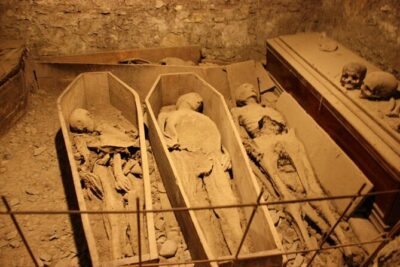
Browse the lists this tour appears in