
REVIEW · SPAIN GHOST TOURS
Gran Canaria: Green Witchcraft in the Magic Island
Plants tell a different story on Gran Canaria. This three-hour experience takes you from Firgas into the Azuaje Ravine to learn traditional Canarian herbalism with Massimo, known as a herbolario canario. I love the mix of a hands-on natural remedy workshop and a real walk through the plants’ growing place. I also like the small group limit of 10, which gives you room to ask questions rather than trail behind a large crowd.
The main thing to consider is the hike. The route follows ravine trails with a marked change in height, from about 500 meters down toward sea level and back again. Good grip matters, and the walk is not a fit for people with low fitness, mobility limits, vertigo, or a fear of heights. You also need to reach the Firgas meeting point yourself, since hotel and city transfers are not included.
Key points at a glance
- Traditional Canarian herbalism: Learn how local plants have been gathered and used in the island’s folk healing tradition.
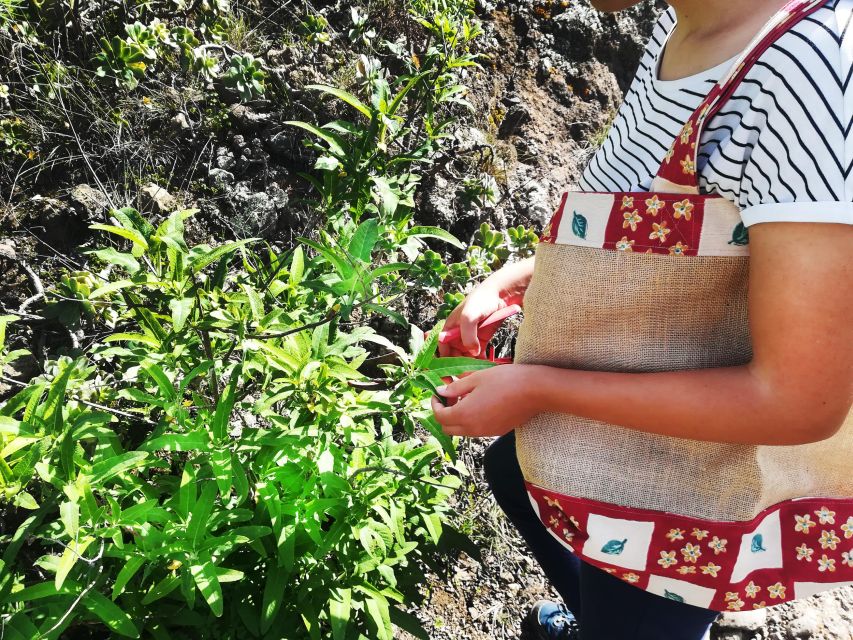
- Azuaje Ravine walk: Identify medicinal plants in their natural setting along forested ravine paths, streams, and stone sections.
- Make something yourself: Prepare a plant-based remedy and take it with you as a practical reminder of the workshop.
- Tea on the terrace: Finish with an infusion made from collected plants while looking across the valley.
- Small and multilingual: The group is limited to 10 people, with guiding in English, Spanish, or Italian.
- A physical half-day outing: Bring hiking shoes, water, sunscreen, and outdoor clothing. Leave sandals, large bags, and jeans behind.
Why this Firgas experience feels different
Gran Canaria is often sold through beaches, resort pools, and dramatic viewpoints. This outing takes another route. It focuses on plants, old local practices, and the quiet corners around Firgas, a northern village known for its connection to water and rural life.
Massimo leads the activity as both guide and practitioner. His role is not simply to point out leaves and name them. He explains how plants are harvested, how they may be prepared, and what people have traditionally used them for. That gives the walk a useful purpose. You are not just looking at vegetation. You are learning why a plant matters and how it fits into Canarian herbal practice.
I would treat the word witchcraft as a playful description of the experience rather than a promise of theatrical magic. The heart of the activity is plant knowledge, natural remedies, tinctures, incense, and a respectful connection with the outdoors. The tone is personal and reflective, with room for conversation about how the natural world can support daily well-being.
This is especially appealing if you enjoy small, thoughtful activities rather than fast sightseeing. You will spend time listening, walking, touching, smelling, and preparing. It feels closer to a visit with a local herbalist than a standard bus tour.
More Witch Tours in Spain
- Inquisition, The Executioner, Witches, Expulsion Jews and Muslims
★ 5.0 · 85 reviews - Seville: City of Queens, Nuns, Sex Work & Witches
★ 4.3 · 27 reviews - Tour of the Inquisition and Witchcraft in Toledo
★ 3.3 · 13 reviews
Meeting Massimo in Firgas
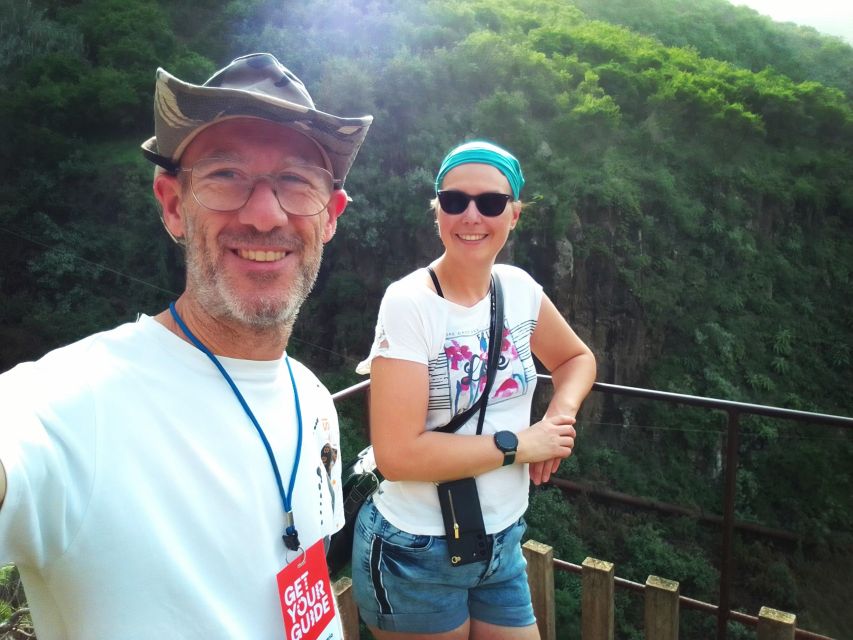
You begin at the specified meeting point in Firgas, Las Palmas. There is no hotel or city pickup, so plan the journey carefully and allow time to find the village location. The guide wears a visible GetYourGuide badge, which should make the meeting easier once you arrive.
The setting matters. Firgas gives the experience a rural starting point instead of a city-tour feel. From here, Massimo introduces the tradition of yerbería, the Canary Islands’ form of herbalism. You learn how local healers, known as curanderos, have used plants and natural preparations.
The opening conversation is an important part of the outing. It gives you a framework for the walk and helps you understand that plant use depends on correct identification and preparation. That is a useful distinction. This is not an invitation to pick random leaves and experiment later.
The experience is offered in English, Spanish, and Italian. A multilingual guide can make the plant names and preparation steps easier to follow, but you should choose the language you understand best when booking.
The workshop: tinctures, incense, and a personal remedy
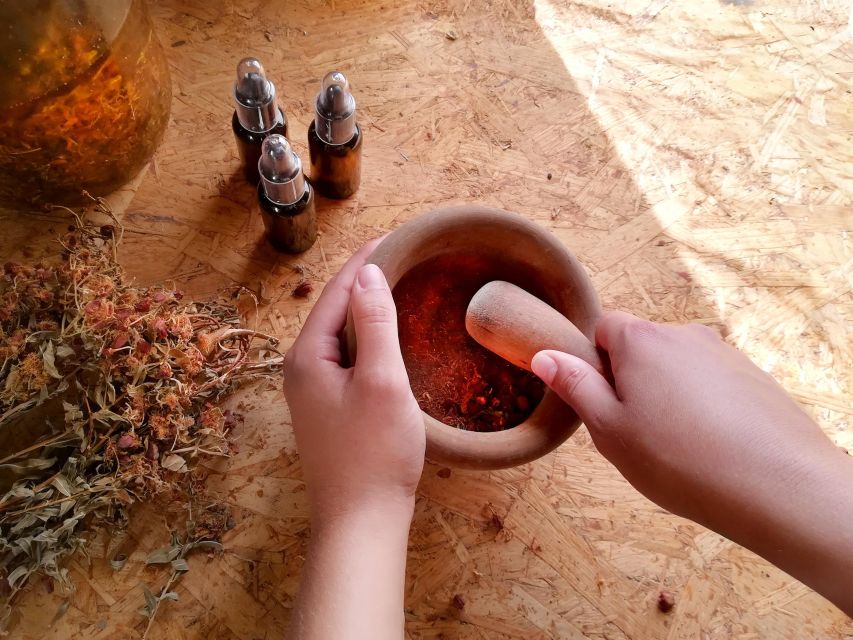
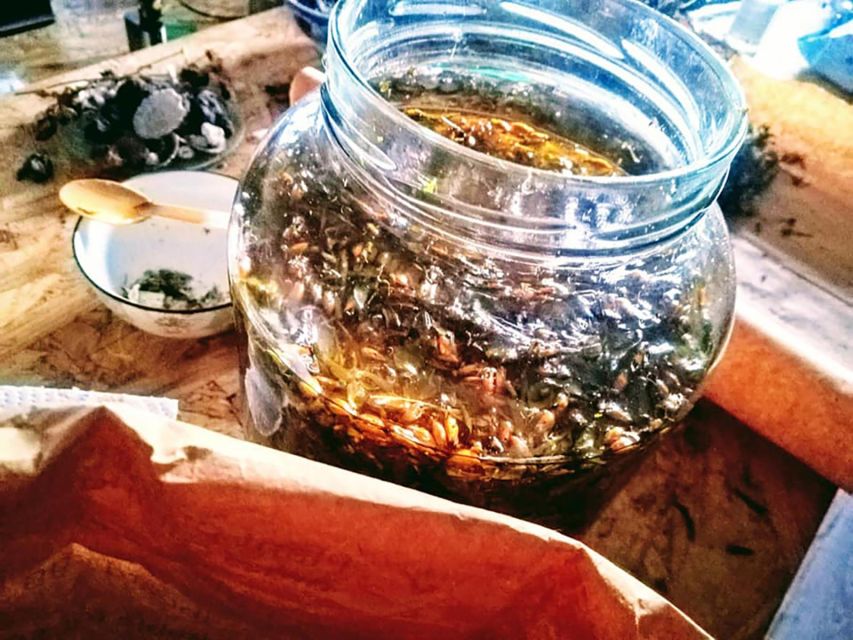
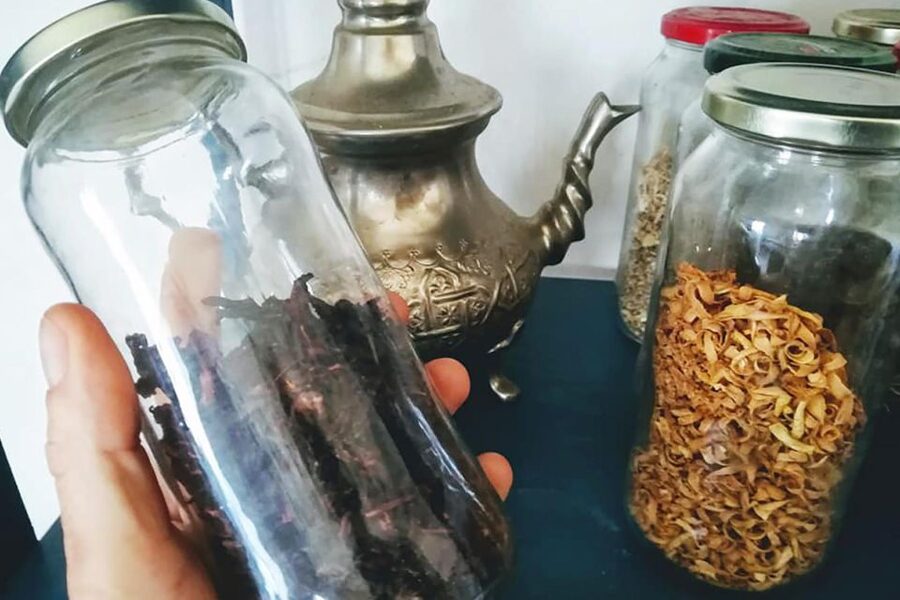
The indoor or terrace portion of the experience introduces the practical side of green herbalism. Massimo explains how plants can be prepared as natural remedies, tinctures, incense, and infusions. You then take part in making a preparation yourself.
This hands-on element gives the $69 price much of its value. A normal botanical walk might leave you with photographs and a few plant names. Here, you leave with a preparation made by your own hands, along with a better sense of how a simple natural medicine kit might be assembled.
You should keep your expectations sensible. This is an introductory workshop, not a medical qualification or a replacement for professional health care. The experience presents traditional uses of medicinal plants, but you should not treat anything you make as a guaranteed cure. If you have allergies, take medication, or are pregnant, this activity is not suitable.
The workshop also rewards curiosity. Ask how a plant is identified, which part is used, how it is prepared, and what precautions apply. These questions turn a pleasant activity into something you can remember and use responsibly.
Walking into Azuaje Ravine
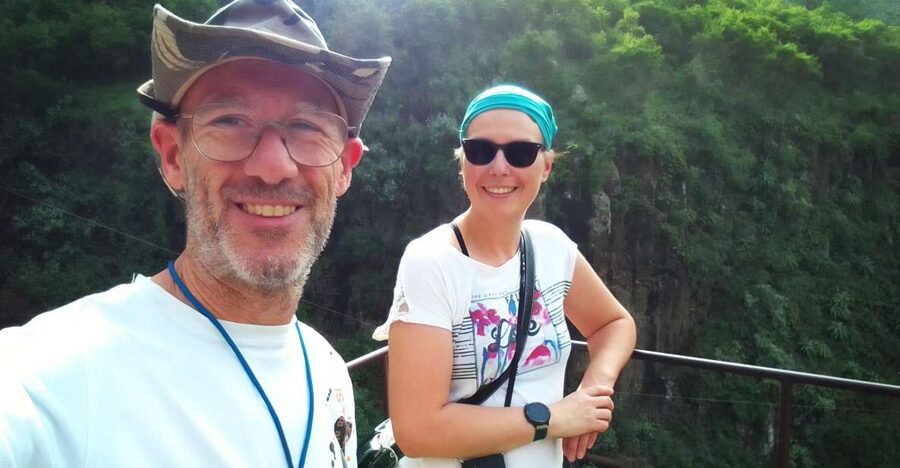
The main outdoor section follows trails through the Azuaje valley. The area is valued for preserving native vegetation and for its long association with local healers. You can expect a more rugged setting than a paved village stroll, with ravine paths, small streams, and sections of pebble or uneven stone.
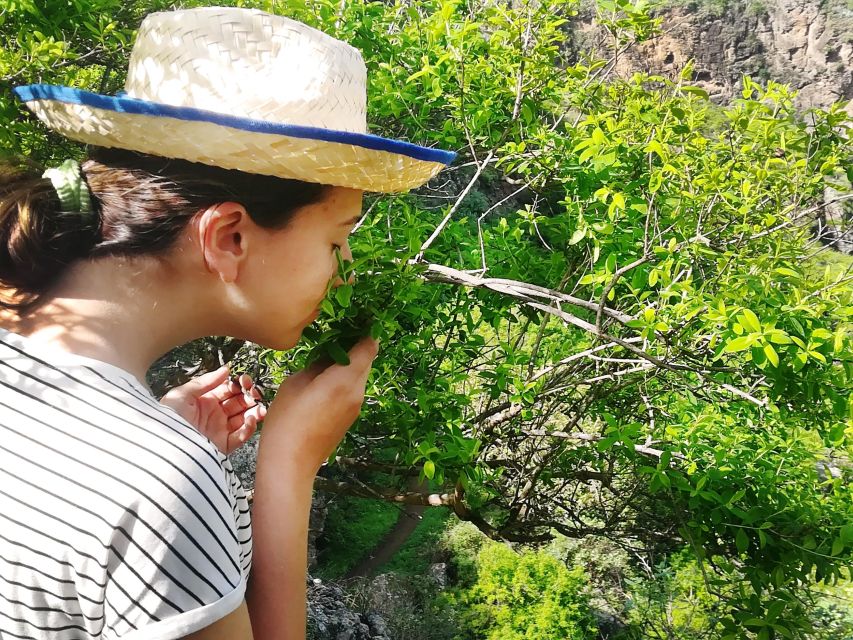
Massimo points out plants in their natural surroundings and explains their traditional applications. This is where the earlier workshop begins to make sense. Instead of seeing herbs as ingredients on a table, you see where they grow and how they fit into the wider plant community.
The walk is described as moderate, but the route should not be underestimated. You go downhill and then return uphill, with a total height change between roughly 500 and 0 meters above sea level. That means the return section can feel harder than the first part, especially in warm weather.
Wear proper hiking shoes with firm soles and good grip. Stable footwear was particularly useful on the pebble paths and uneven sections. A hiking stick can also help, and Massimo has lent one to participants when needed, though you should not rely on that being available for everyone.
Bring your own water and consider packing a small snack. Food is not included, and three hours of walking and outdoor learning can work up an appetite. Sunscreen and clothing suited to changing outdoor conditions are sensible choices.
Same streets, an entirely different kind of scare:
- Barcelona: Gothic Quarter Ghosts and Legends Walking Tour
★ 4.7 · 1,443 reviews - Madrid Oscuro: Torture, Ghosts, Crimes and Legends
★ 5.0 · 1,363 reviews - Seville Evening Historical Tour with Haunted History
★ 5.0 · 626 reviews - Barcelona Ghosts & Legends Tour
★ 4.5 · 548 reviews
What makes the plant walk worthwhile
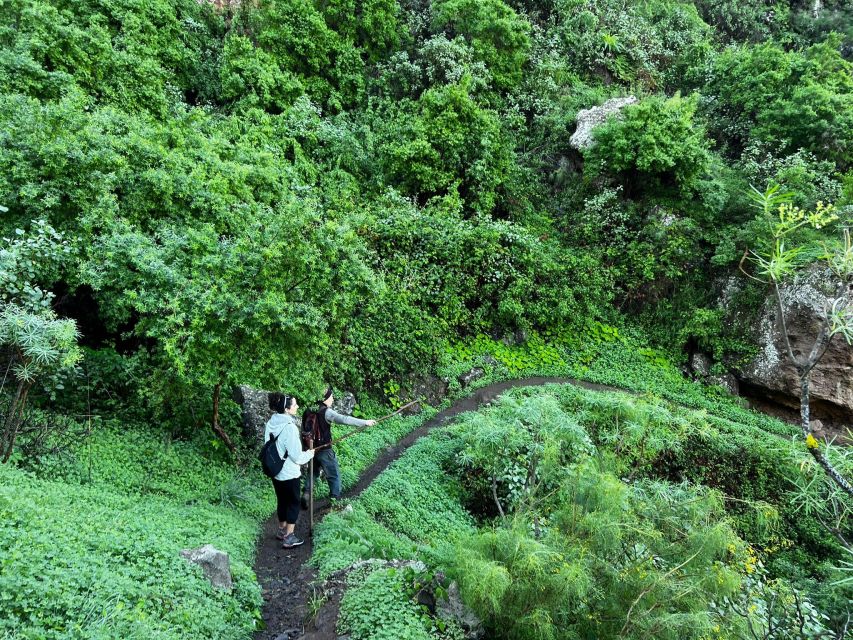
The best part of the walk is the connection between place and practice. You are not hearing a general lecture about herbs from far away. You are walking through the area where the plants grow, learning to recognize them with help from someone who works closely with Canarian herbal traditions.
That setting also slows the experience down. Away from city noise, you have time to notice streams, stones, shade, and the smell of the vegetation. The valley’s calm atmosphere is a large part of the appeal, particularly if your Gran Canaria trip has mostly involved busy resorts or crowded beaches.
Some people may find the spiritual language appealing. The idea of green magic and Mother Nature gives the outing a gentle, reflective tone. Others may prefer a strictly scientific botany tour and find the holistic approach less precise than expected. I would choose this experience for its blend of traditional practice, nature, and conversation, not as a formal botany course.
The guide’s warm manner is another part of the experience. Massimo is described as easygoing and deeply connected to nature, and that matters in a small group. A three-hour walk can feel long if the guide rushes or lectures. Here, the conversational style helps the activity feel relaxed and personal.
Tea, terrace views, and the final preparation
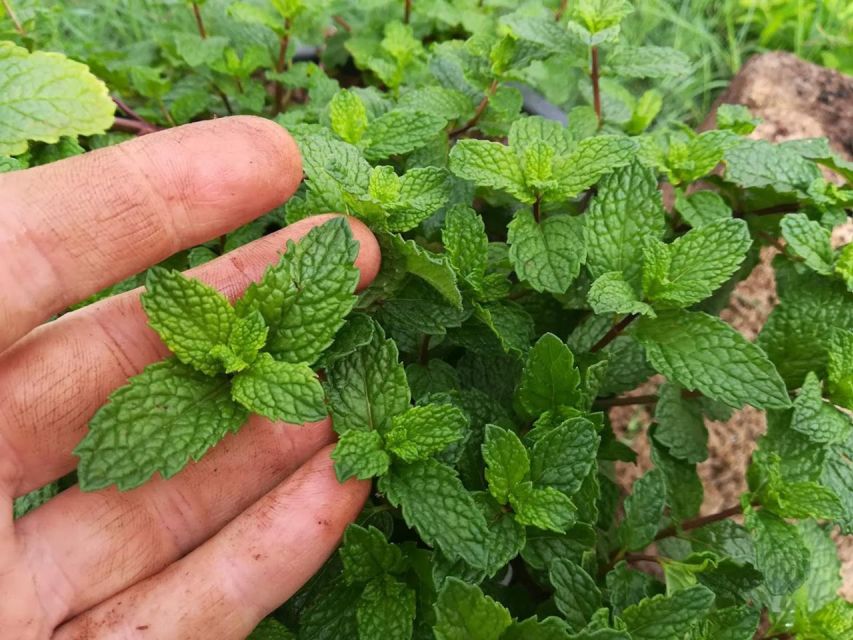
After the walk and plant preparation, you sit down for a natural herb tea or infusion. The drink is made with the collected plants, giving the final stage a simple ritual: walk, identify, prepare, and taste.
The terrace looks over the valley, so the closing session gives you time to rest and talk. It is not a grand attraction, but it is a fitting end to the outing. You can ask follow-up questions, compare notes, and let the day settle before heading back.
I like this ending because it avoids the usual rushed finish. Many short tours end at the final stop with a quick goodbye. Here, the infusion creates a quiet pause and ties the practical workshop to the setting.
The tea is included, but food is not. If you need more than a drink, bring a snack with you. Alcohol and drugs are not allowed, and the activity asks you to respect the area by leaving no litter.
Is $69 a fair price?
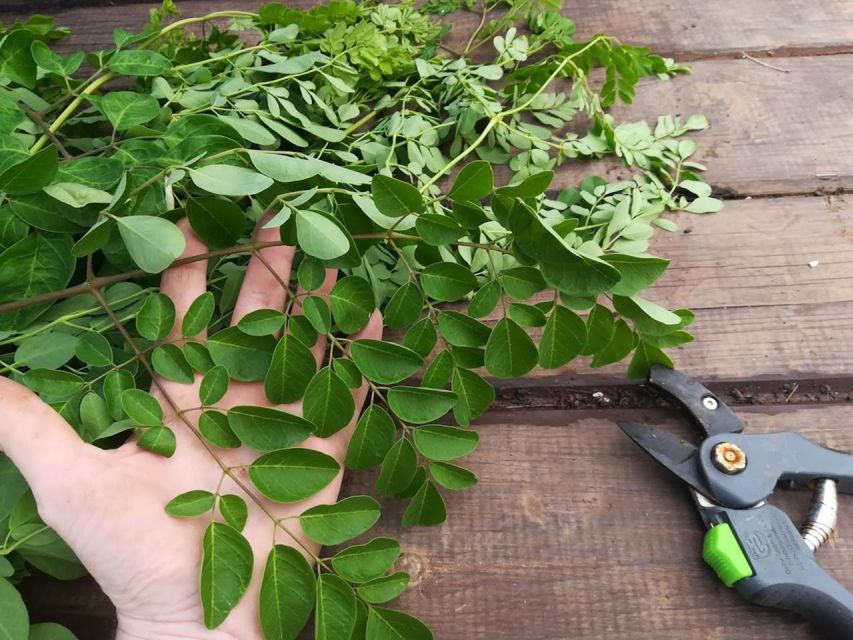
At $69 per person, this is not the cheapest short walk in Gran Canaria. You are paying for more than a route through a ravine, though. The price includes a guided botanical walk, an herbalism workshop, a natural tea session, a plant-based preparation, a small group setting, and civil liability and accident insurance.
The group limit of 10 is important. A cheaper large-group walk might offer less conversation and make it harder to see or discuss individual plants. Here, the guide can respond to questions and adapt the conversation to the people present.
You also need to factor in the cost and effort of reaching Firgas. Since hotel and city transfers are excluded, the total cost of your day includes getting to the village and returning afterward. For someone already planning to explore northern Gran Canaria, that is less of a burden. If you are staying far away and want a quick activity near your resort, it may not be the best value.
I would call the price fair for people who want a personal, educational outing rather than a standard sightseeing stop. The value comes from Massimo’s guidance, the small group, and the chance to make something yourself. It is less appealing if you only want a scenic walk and have no interest in herbal traditions.
Who should book this experience?
You should consider booking if you enjoy:
- Plant identification and traditional healing practices
- Quiet outdoor walks away from city noise
- Small groups and plenty of conversation
- Hands-on activities rather than passive sightseeing
- Holistic ideas about nature and personal well-being
- A moderate hike on uneven ravine trails
This is a good match for adults and older children who can manage a steady outdoor walk. Children under 8 are not accepted, and unaccompanied minors are not allowed.
You should skip it if you have mobility impairments, use a wheelchair or mobility scooter, have a low fitness level, or feel uneasy around heights or steep ravine paths. The experience is also unsuitable for pregnant women, people with vertigo or epilepsy, and people with insect or animal allergies.
The restrictions are unusually detailed, so take them seriously. Open-toed shoes, sandals, slippers, high heels, and jeans are not allowed. Large bags, luggage, baby strollers, drones, speakers, aerosols, and party-group behavior are also prohibited. The outing depends on a quiet, respectful outdoor setting.
Practical planning for a smoother visit
Wear hiking shoes, not casual trainers with smooth soles. Pack water, sunscreen, and outdoor clothing. A light snack is sensible because no food is provided.
Arrive at the Firgas meeting point with enough time to find the guide. The location is not a hotel pickup service, so check your route before leaving. A visible GetYourGuide badge identifies the guide at the meeting place.
The activity lasts three hours, but the physical effort is more important than the clock. You walk out and back along ravine trails, so pace yourself early. If you are unsure about your fitness, a flat village walk would be a safer choice.
The experience permits free cancellation up to 24 hours before the start time, and you can reserve now while paying later. Those options help if your Gran Canaria plans are still moving around, but they do not change the need to prepare properly for the hike.
Final verdict: should you book it?
Book this experience if you want to meet a passionate local guide, learn how Canarian herbs are used, and walk through a quiet valley with real botanical context. The workshop and final tea make it more than a hike, while the small group keeps the pace personal.
Do not book it for a gentle stroll, a resort pickup, or a formal medical course. The Azuaje Ravine route requires sound footwear and a reasonable level of fitness, and the meeting point in Firgas takes planning.
For the right person, $69 buys a thoughtful afternoon, a handmade plant preparation, and a fresh way to understand Gran Canaria beyond its beaches. Massimo’s warm, nature-focused approach is the main reason this outing feels personal rather than packaged.
FAQ
Where does the Green Witchcraft experience meet?
The meeting point is in Firgas, Las Palmas. Hotel and city pickup and drop-off are not included. The guide wears a visible GetYourGuide badge.
How long does the experience last?
The experience lasts three hours. You should check the available start times when booking.
Which languages are available?
The live guide can conduct the experience in English, Spanish, or Italian.
What is included in the price?
The price includes the village meeting point pickup, a natural herb tea and infusion session, the ravine botanical walk, an introductory medicinal plant workshop, and civil liability and accident insurance.
What should I bring?
Bring hiking shoes, sunscreen, water, and outdoor clothing. A snack may also be useful because food is not included.
Is the hike suitable for everyone?
No. The route includes ravine trails with a height change between about 500 and 0 meters above sea level. It is not suitable for children under 8, pregnant women, wheelchair users, people with mobility impairments, people with vertigo or a fear of heights, people with low fitness, or people with several listed medical and allergy concerns.
Newly added around Spain
- Zaragoza: Only excommunicated and cursed town with witches in Spain and food★ 4.7 · 6 reviews
- Self-Guided Audio Tour – Ghosts of Madrid: History and terror★ 3.5 · 9 reviews
- Ghosts of Madrid: Exploration Game and Tour★ 5.0 · 4 reviews
- Walking Tour Mysteries and Legends of Barcelona and its Ghosts★ 5.0 · 3 reviews
- Witch Hunt on Montjuïc: Self-Guided Puzzle Quest in Barcelona★ 4.5 · 9 reviews
- Barcelona Ghosts of a Dark Past Gothic Walking Tour★ 5.0 · 55 reviews
- The Gothic Trail – Ghosts of Barcelona Exploration Game★ 4.5 · 33 reviews
- Dark History and Legends Night Walk of Gothic Quarter★ 5.0 · 2 reviews
Spain Ghost Tours, compared.
Gothic Quarter Ghosts and Legends Walking Tour
Read our review →

Seville Evening Historical Tour with Haunted History
Read our review →
Barcelona Dark History Night Walking Tour With Drinks
Read our review →Browse the lists this tour appears in