
REVIEW · LONDON GHOST TOURS
London: Jack the Ripper Tour in French
Dark streets, sharp questions, old crimes.
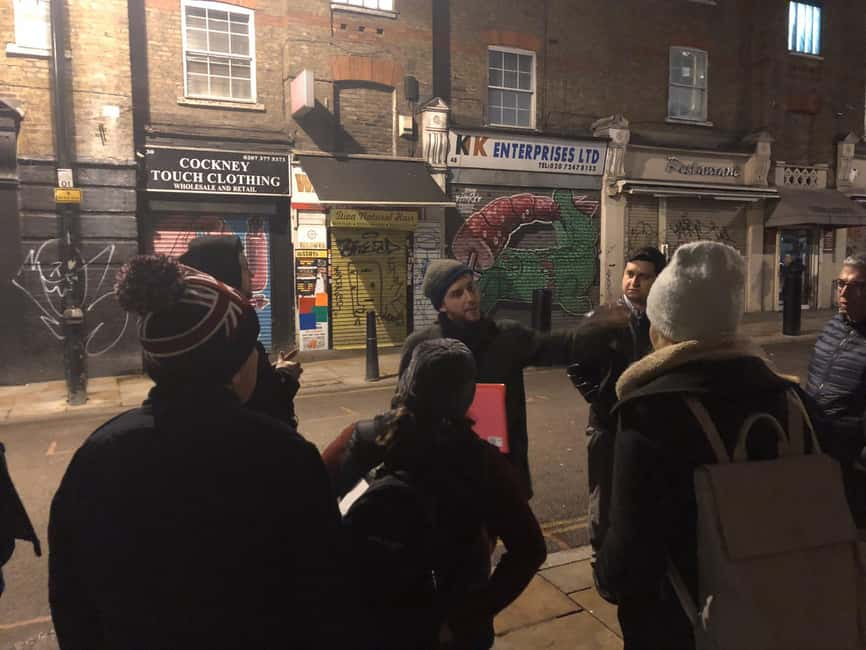
This French-language walking tour follows Jack the Ripper through Whitechapel, using photographs and period documents to explain the murders, the police response, the press frenzy, and Victorian London. I like the native French-speaking guide and the small groups of about 15 to 20 people, which should make it easier to ask questions and keep up in the narrow streets.
I also like the route itself. You pass Brick Lane, Gunthorpe Street, Fournier Street, the Ten Bells pub, and Artillery Passage rather than simply hearing a lecture indoors. The main consideration is the subject matter: this is a murder tour, and children under 12 are not permitted. Bring warm clothes and comfortable shoes, since the experience lasts 2.5 hours outdoors.
Key points at a glance
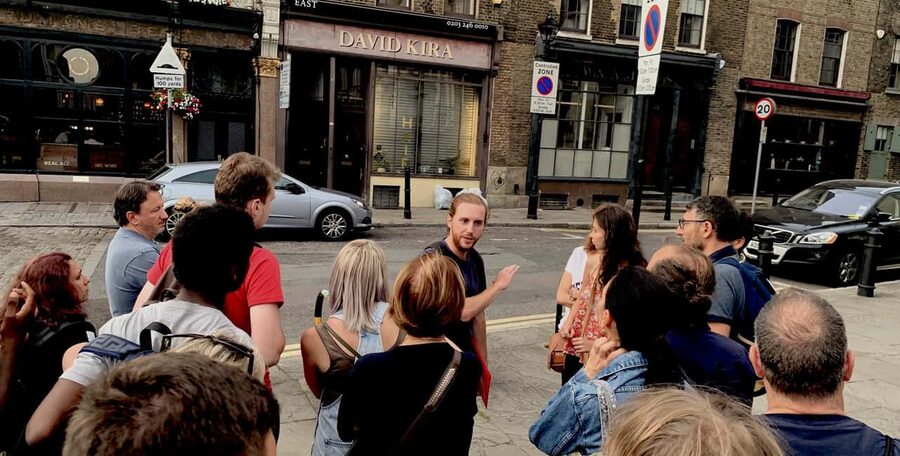
- French-speaking Ripper expert: The tour is led by a native French guide with a special focus on the Jack the Ripper case and its Victorian setting.
- Whitechapel beyond the headlines: The route includes historic alleys, Brick Lane, Fournier Street, Artillery Passage, and the Ten Bells pub.
- Small-group format: Groups are limited to roughly 15 to 20 people, giving you more room for questions and discussion.
- Documents and photographs: Period material helps connect the streets you see with the investigation and the public fear of 1888.
- A useful one-way route: You begin near Aldgate East and finish near Liverpool Street station, handy for continuing your evening elsewhere.
- Good value for a specialist walk: At about $26 per person, the price is reasonable if you want a focused historical tour in French rather than a general city walk.
Why this Whitechapel walk is worth your time
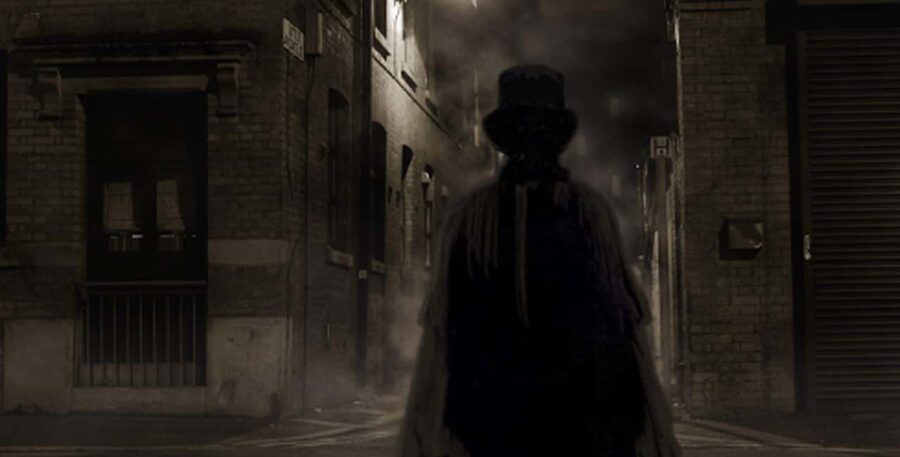
Jack the Ripper tours can easily become a parade of sensational stories. This one aims to give the crimes a wider setting. You learn why Whitechapel mattered, who lived and worked there, how the police and newspapers reacted, and how the name Jack the Ripper entered public use.
That wider frame is the tour’s real value. You are not only following a killer. You are looking at poverty, crowded streets, Victorian policing, newspaper culture, and the way fear can reshape a neighborhood’s reputation.
The guide uses photographs and documents from the period. That matters because the case is full of rumor, disputed evidence, and later theories. Seeing material connected to the era can help you separate the known details from the mystery that still surrounds the murders.
I especially like that the tour is conducted in French. A native French guide can explain difficult names, social conditions, and small distinctions in a more natural way than a translated audio recording. If French is your strongest language, you will likely get more from the story and feel more comfortable asking questions.
The group size also helps. With about 15 to 20 people, you should be close enough to hear the guide on city streets and take part in the interactive activity. This is not a private tour, but it is more personal than a large group gathered around a flag.
More Jack the Ripper Tours in London:
- London: The Original Jack the Ripper Walking Tour
★ 4.7 · 7,833 reviews - London Jack the Ripper Guided Tour with Ripper-Vision
★ 4.5 · 4,840 reviews - London: Jack the Ripper Small Group Tour
★ 4.7 · 3,159 reviews
Meeting at Jack the Chipper on Whitechapel High Street
The tour begins outside Jack the Chipper restaurant at 96 Whitechapel High Street. The meeting point is near Aldgate East tube station, and your guide will wait by the long black wall outside the restaurant while holding a document pouch.
That description is useful in a busy part of London. Look for the wall and the guide’s document pouch rather than relying only on a general view of the restaurant. Arrive with enough time to find the spot, especially if you are changing from another Underground line.
Whitechapel High Street is a fitting starting point. From the first minutes, you are in the part of London tied to the case, not in a visitor center far from the streets being discussed. The guide begins setting the scene before the group moves through the neighborhood.
The first guided section lasts about 10 minutes. It is a short introduction, but it gives the rest of the walk a clear purpose. You begin with the basic questions: what happened in the autumn of 1888, why Whitechapel became associated with the crimes, and how London reacted to a killer whose identity was never established.
Reading Victorian Whitechapel through the case
The early part of the route explores a neighborhood connected with both the victims and the suspected killer. The guide explains why Jack the Ripper was active in Whitechapel and discusses the social conditions of the district.
This is where the tour can become more than a crime story. The case took place in a Victorian district shaped by hardship and sharp social divisions. The murders made headlines, but the area already carried the pressures of poverty, insecure work, overcrowding, and limited public services.
You also examine who the victims were and how many murders are linked to the Ripper case. These are not simple questions. The tour presents the investigation as a puzzle, asking which victims can be connected to the same killer and which details remain uncertain.
The police response is another important part of the story. You hear about the evidence, the difficulties of investigating crimes in the period, and the public pressure created by newspapers. The media did not merely report the fear. It helped spread and shape it.
The guide also explains where the name Jack the Ripper came from. That detail shows how a criminal case can become a public legend. The name is memorable, dramatic, and useful for newspapers, but it does not solve the central question of who was behind it.
Gunthorpe Street and the mood of the route
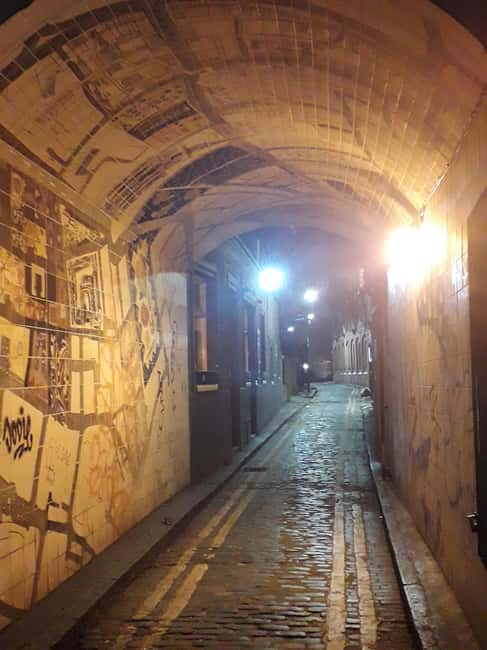
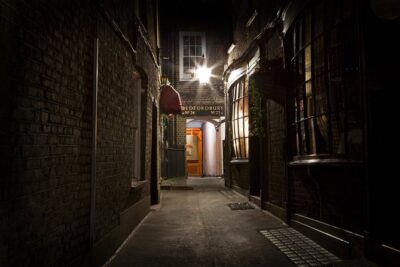
The walk includes the chilling alleyway of Gunthorpe Street. A location like this gives the story a physical shape. You can see how narrow streets and enclosed passages might have affected movement, visibility, and the way people experienced the neighborhood at night.
The tour does not promise a theatrical horror show. Its effect comes from standing in historic streets while the guide explains what happened and what investigators found. That approach suits you if you prefer context and evidence to actors, costumes, or jump scares.
You should also expect the city to remain present. Whitechapel is not a preserved crime scene. It is a living part of London, and modern streets, traffic, businesses, and pedestrians are part of the experience. That can reduce the spooky atmosphere, but it also keeps the history grounded in a real neighborhood rather than a stage set.
The guide’s use of period photographs and documents is especially useful here. Old images help you compare the present setting with the Victorian city and understand how much has changed. They also give the explanation something concrete to focus on.
Same streets, an entirely different kind of scare:
- Ghost, Ghouls and Gallows Tour : Guided Tour with Boat Ride
★ 4.5 · 3,212 reviews - London Jack The Ripper Guided Walking Tour
★ 5.0 · 3,131 reviews - London: Comedy Horror Ghost Tour on a Bus
★ 4.4 · 2,084 reviews - London: Jack the Ripper Tour with Immersive Ripper Vision
★ 4.5 · 1,840 reviews
Brick Lane and the changing neighborhood
Brick Lane is one of the route’s named stops, with about 10 minutes of guided explanation. It is a good place to consider how districts change over time.
Today, Brick Lane is known for food, shops, street art, and a busy social scene. The tour places it within the older history of the East End and links it to the streets associated with the case. That contrast is one of the most interesting parts of the walk. You see a neighborhood that is both historically important and very much part of modern London.
The stop also helps break up the darker parts of the story. You are still learning about Victorian crime, but the surroundings are not frozen in 1888. I appreciate that balance. It prevents the tour from treating Whitechapel only as a backdrop for murder.
The short format means you should listen closely. Each stop is focused, and the guide has 2.5 hours to cover a large amount of material. If you want to ask about a particular person, document, or theory, the small group should give you a reasonable chance to do so.
Fournier Street and the Victorian setting
The route continues through the Fournier Street conservation area. This is an important stop because the buildings and streetscape help you picture the Victorian period more clearly.
The tour’s questions move beyond the identity of the killer. You consider what daily life was like, why the area offered opportunities for a criminal, and how the physical neighborhood affected the investigation. Historic architecture can make those explanations easier to understand than a talk delivered in a modern room.
Fournier Street also offers a counterpoint to the more sensational parts of the case. Its architectural setting encourages you to notice the wider character of the East End rather than focusing only on crime-scene details.
This is a walking tour, so the amount of time spent at each point may feel brief. You will not receive a long architectural lecture at every street corner. Instead, the buildings are used as evidence and atmosphere within the larger story.
The Ten Bells pub and disputed memory
The Ten Bells pub is one of the best-known stops. At least one victim is known to have frequented the pub, making it an important place for discussing the people connected with the case.
The stop helps put names and lives ahead of the legend. A murder mystery can turn victims into plot points, but the guide’s historical approach should remind you that these were real people living in a difficult period. That human focus is one of the strongest reasons to choose a serious guide.
The Ten Bells also raises a question about how historic places preserve memory. A pub can be connected to a real person and a real neighborhood while also becoming part of a commercial story built around Jack the Ripper. The tour gives you a chance to think about that tension.
Food and drinks are not included. You can treat the pub as a landmark on the route rather than assuming the tour includes a stop for refreshments. If you want to eat or drink afterward, the end of the route leaves you near Liverpool Street.
Evidence, investigations, and Artillery Passage
One stop takes you to the entrance of a building where evidence was found. The guide uses this point to explain the investigation and the clues that shaped the case.
This part should appeal to anyone who enjoys the detective side of the story. You are asked to consider what evidence existed, how it was interpreted, and why the case remained unresolved. The interactive activity gives the walk a more active structure, encouraging you to weigh the clues rather than simply receive a finished answer.
The final named stop is Artillery Passage. The guided explanation here is short, about two minutes, but the passage adds another historic alley to the route. It also shows how the tour moves from Whitechapel toward the City of London.
Because some sections are brief, I would not choose this tour if you want long, detailed visits inside each location. Its strength is the connected route. You walk from one piece of the case to another while the guide builds the story across the neighborhood.
Finishing near Liverpool Street station
The tour finishes at 222 Bishopsgate, London EC2M 4QD, near Liverpool Street station. This one-way arrangement is practical. You do not have to return to the starting point, and you can continue with dinner, another London attraction, or your evening transport from the City.
The finish also gives the story a sense of movement. You begin near Aldgate East and end closer to Liverpool Street, passing from Whitechapel toward a major transport and business district. That makes the walk easy to combine with other plans.
You should still plan for the full 2.5 hours. The route includes several short guided stops, but the total time involves walking between them. Wear comfortable shoes and bring warm clothing. London weather can change quickly, and standing outdoors while listening requires more warmth than simply walking between indoor attractions.
The tour is wheelchair accessible, which is useful information when planning. Since the experience takes place on city streets and historic passages, you may want to confirm current route conditions at booking if you have particular mobility needs.
Is $26 a fair price?
At about $26 per person, this is a fair price for a 2.5-hour specialist walking tour, especially when conducted in French by a guide focused on the Ripper case. You are paying for interpretation, route planning, historical material, and the chance to ask questions, not for admission to a major attraction.
The value is strongest if you care about the language and subject. A visitor who only wants a quick look at Brick Lane may find a general neighborhood walk more suitable. If you want the murder case explained in French, with period photographs, documents, and an interactive element, the price makes more sense.
Small groups improve that value. A group of 15 to 20 is large enough to keep the tour affordable but small enough for direct contact with the guide. The available feedback includes a 4 out of 5 rating and specific praise for the guide’s detailed explanations, which matches the tour’s main strength.
There are no included meals or drinks, so budget for those separately. The tour also does not promise a theatrical performance or a visit inside a major attraction. Its product is a guided walk and a carefully explained case.
Who should book this French tour?
I would recommend it to French-speaking adults and older teenagers who enjoy crime history, Victorian London, historic streets, and unresolved mysteries. It is also a good choice if you have already seen the main sights and want a more focused way to explore the East End.
The tour may suit you particularly well if you like asking questions. The small group and interactive activity create more room for discussion than a large coach tour or recorded audio guide.
I would not book it for children under 12, since they are not permitted. I would also think twice if murder cases make you uncomfortable or if you want a light, family-friendly sightseeing walk.
For the best experience, wear supportive shoes, bring a warm layer, arrive early at the black wall outside Jack the Chipper, and listen for the details that separate documented facts from speculation. You can cancel up to 24 hours in advance for a full refund, and you can reserve now while paying later, which helps if your London schedule is still changing.
Should you book it?
Book this tour if you want a serious French-language look at Jack the Ripper and Whitechapel, not just a spooky stroll. The native French guide, small group, period documents, and one-way route give it practical value at $26.
Skip it if you want a broad London sightseeing tour, a purely entertaining ghost walk, or an indoor activity. For the right audience, the route offers a strong mix of Victorian context, street-level history, and an unsolved case that still leaves room for questions.
FAQ
What language is the tour conducted in?
The tour is conducted in French by a native French-speaking guide.
How long does the tour last?
The guided walking tour lasts 2.5 hours.
Where does the tour begin?
It begins outside Jack the Chipper at 96 Whitechapel High Street, near Aldgate East tube station. Look for the long black wall and a guide holding a document pouch.
Where does the tour finish?
The tour ends at 222 Bishopsgate, London EC2M 4QD, near Liverpool Street station.
What locations are included?
The route includes Whitechapel streets, Gunthorpe Street, Brick Lane, the Fournier Street conservation area, the Ten Bells pub, the entrance to a building where evidence was found, and Artillery Passage.
Is the tour suitable for children?
No. Children under 12 are not permitted.
What should I bring?
Bring warm clothes and comfortable shoes. Food and drinks are not included.
Newly added around London
- Wicked Whitechapel: Where Now’s Jack The Ripper Audio Tour★ 5.0 · 2 reviews
- Ghosts, Gore & Other Ghasty Stories in the City of London★ 5.0 · 7 reviews
- Afternoon Jack the Ripper : Guided Tour★ 5.0 · 183 reviews
- Visit Jack the Ripper in French★ 5.0 · 33 reviews
- The Fading Light London Ghost Walk★ 5.0 · 35 reviews
- Self-Guided Audio Tour-Behind the shadow of evil: Jack the Ripper★ 4.0 · 2 reviews
- The Haunted Pubs of Old London: Small Group Tour★ 5.0 · 38 reviews
- The Ghosts of the secret alleyways of old London town★ 5.0 · 2 reviews
London Ghost Tours, compared.
London Jack the Ripper Guided Tour with Ripper-Vision
Read our review →
Ghost, Ghouls and Gallows Tour : Guided Tour with Boat Ride
Read our review →
Jack the Ripper Tour with Immersive Ripper Vision
Read our review →
German Language : Original Jack the Ripper Tour
Read our review →Browse the lists this tour appears in