
REVIEW · ROME GHOST TOURS
Rome: Capuchin Crypts & Ghostly Legends Small-Group Tour
Death has a place in Rome’s décor. This two-hour tour combines the astonishing Capuchin Crypts, decorated with the bones of more than 3,700 monks, with a lively walk through Rome’s darker stories. I like the small group limit of 10, which makes it easier to hear the guide and ask questions. I also like that the experience continues beyond the crypt, linking the city’s grand monuments to tales of executions, ghosts, scandal, and murder.
The main drawback is that the crypt visit itself uses the venue’s audio guide, so your live guide may not accompany you through every chamber. You also need to dress modestly, with shoulders and knees covered. For some people, the bone chapels will be profound and artistic. For others, they may simply be too much.
The key points at a glance
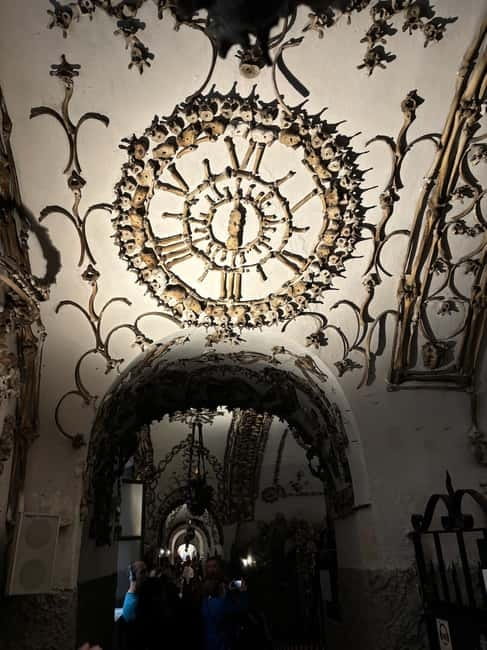
- 3,700 skeletons arranged as decoration: See bone chandeliers, wall patterns, and other unsettling displays inside five underground chapels.
- A dark walk through central Rome: Continue from the crypt to Via Rasella, the Trevi Fountain, the Pantheon, and Piazza Navona.
- Small groups of 10 or fewer: This gives you a better chance to hear stories clearly and speak with the guide.
- English-speaking guides with personality: Guides including Alethea, Ben, Marilena, Ivana, Leo, and Maria have been praised for humor, warmth, and strong storytelling.
- A useful two-hour evening activity: The route gives you famous sights plus less familiar stories without taking up a full day.
- Not a standard sightseeing tour: Expect ghosts, executions, scandals, and awkward questions about what Rome did with inconvenient corpses.
Why the Capuchin Crypts are worth seeing
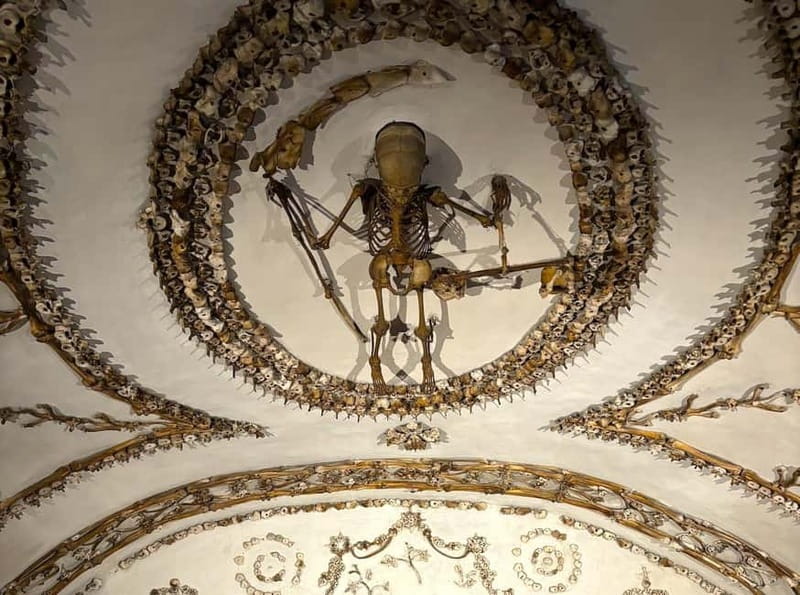
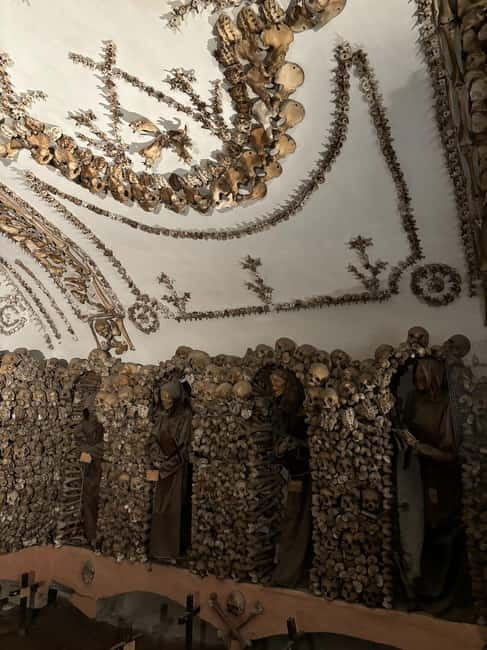
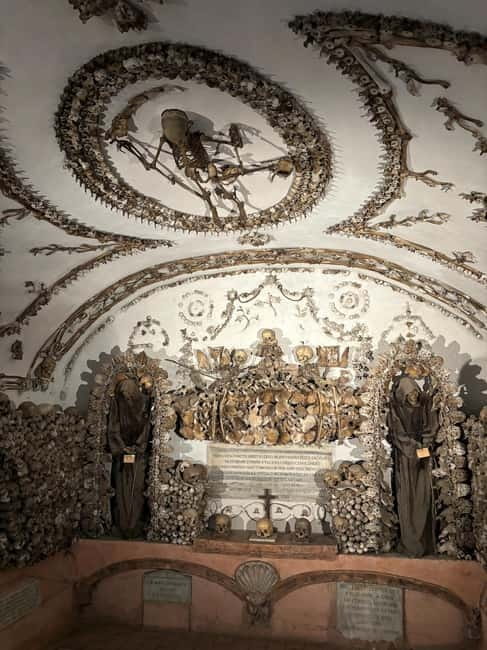
The Capuchin Crypts are not a typical church basement with a few old tombs. Five underground chapels are decorated with the remains of Capuchin monks, creating an interior made from femurs, vertebrae, skulls, and pelvises.
The effect is direct. You are not looking at a discreet memorial plaque or a stone sarcophagus. You may see chandeliers formed from vertebrae and carefully arranged bones creating floral and geometric designs. The setting asks you to think about mortality while also forcing you to question the boundaries between devotion, art, and the macabre.
The meaning goes beyond a simple reminder that life ends. The Capuchin tradition used human remains to make mortality visible. The bones were not hidden away. They became the decoration, the message, and the setting for reflection.
That context matters. Without it, you could leave thinking only that the crypt is strange. With a guide’s explanation, the displays become part of a religious practice shaped by humility, death, and the belief that the body is temporary.
You should also know that the crypt is a museum environment with strict rules. The live guide explains the setting before entry, but inside you use the venue’s required audio guide. Your tour guide remains available for questions the recording does not address, yet you should not expect a continuous live narration beside you in every room.
That distinction is important. One four-star account specifically noted that the guide did not enter the museum during the first portion, leaving the group to use the audio equipment before meeting again outside. If you want a completely live, room-by-room guided visit, this may feel less personal than expected.
More Ghost Story Tours in Italy
- Rome: Small Group Rome’s Dark Side – Ghosts & Legends Tour
★ 4.9 · 343 reviews - Ghosts, Legends & Mysteries of Rome Tip-Based Walking Tour
★ 4.7 · 284 reviews - Ghosts Legends and Mysteries of Rome Walking Tour
★ 5.0 · 149 reviews
Via Vittorio Veneto sets the scene
The meeting point is outside the Capuchin Crypt entrance at Via Vittorio Veneto, 19. Look for the guide at the bottom of the stairs, directly in front of the antique coin shop, holding a sign for the Capuchin Crypts and Dark Centre Tour.
Arrive 10 minutes early. The crypt has timed entry, and late arrivals may not be accommodated. This is one of those moments when a few extra minutes can prevent a great deal of stress.
Via Vittorio Veneto is a fitting starting point. It is one of Rome’s best-known streets, and the tour quickly shifts your attention away from postcard Rome toward the city’s less polished stories. The guide explains why Capuchin monks used human remains in the crypt and how to read the symbols before you go underground.
I like this short introduction because it gives you a way to look at the bone arrangements. You are not simply wandering through a room of skeletons. You are being asked to notice how the bones are positioned and why the display carries religious meaning.
Inside the crypt: beauty, faith, and discomfort
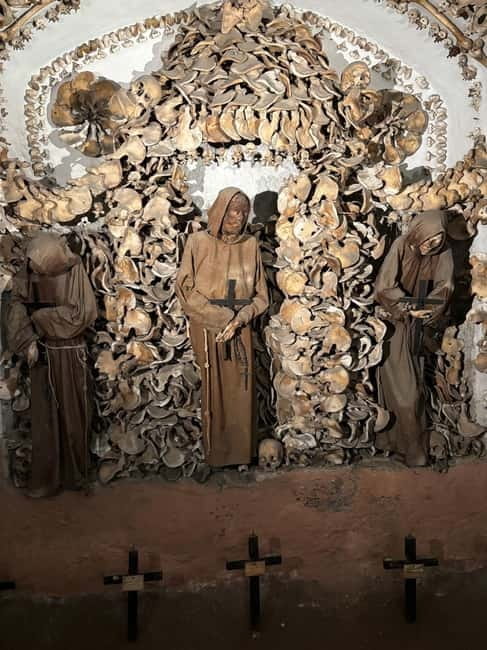
The crypt is the emotional center of the experience. Plan on a visit lasting about 30 minutes according to the route details, though the wider tour description allows roughly 45 to 60 minutes for the crypt portion. The exact timing may depend on the entry schedule and the group.
The chapels are compact and visually intense. There is no subtlety in the decoration, and that is precisely the point. The remains are arranged with care, yet the material is impossible to ignore.
You may find the crypt fascinating, unsettling, or both. One of the useful features of this tour is that it does not treat the bones as a cheap scare attraction. The guide frames the crypt through history, faith, symbolism, and the Capuchin tradition.
Photography rules and museum requirements should be followed as directed on site. You should also dress appropriately before arriving. Shorts, short skirts, and sleeveless shirts are not allowed, and both shoulders and knees must be covered. If you forget, coverings can be purchased on site for €1.
The crypt is not suitable for wheelchair users. The route also includes stairs and a walking tour through central Rome, so comfortable shoes are a sensible choice. Bring a reusable water bottle, especially in warm weather.
Via Rasella and Rome’s difficult memory
After the crypt, the tour moves to Via Rasella for about 15 minutes. This stop adds a more modern layer to the city’s darker past.
The route is not only about medieval ghosts or old executions. Rome’s difficult history reaches into the twentieth century, and Via Rasella helps show how streets that look ordinary today can carry painful memories.
This is a short stop, so do not expect a long historical lecture. Instead, it works as a transition from the religious setting of the crypt to the wider city. The guide uses Rome itself as the museum, pointing out how political violence and public memory sit beside ordinary shops and passing traffic.
That contrast is part of the appeal. The stories are not confined to a dark room underground. They are attached to streets you could easily walk past without knowing what happened there.
More Ghost Story Tours in Rome
- Rome’s Dark Side Ghosts and Legends Tour
★ 5.0 · 93 reviews - Ghost & Legends in Night Rome Walking Tour
★ 5.0 · 36 reviews - Rome After Dark Mysteries Myths and Haunted History
★ 5.0 · 14 reviews
The Trevi Fountain after the crowds
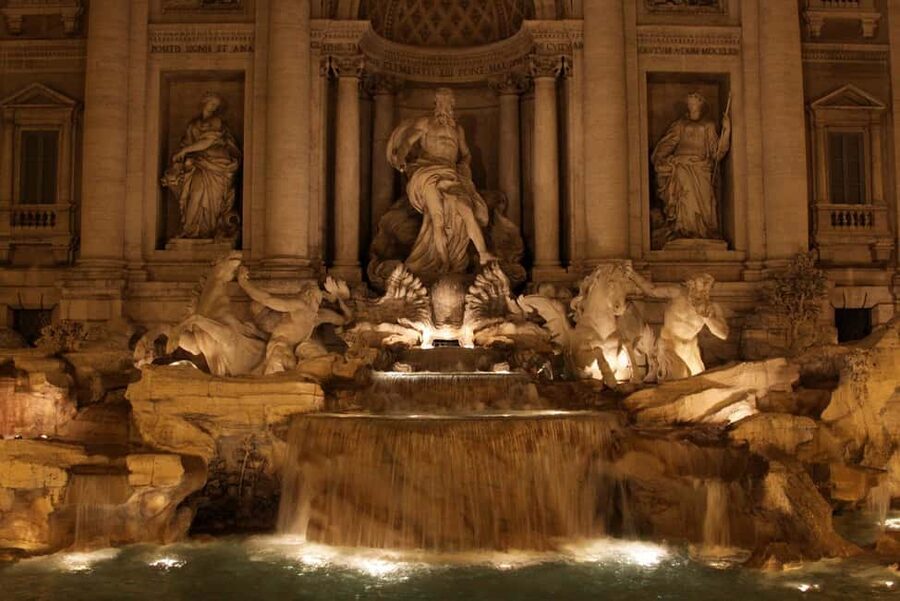
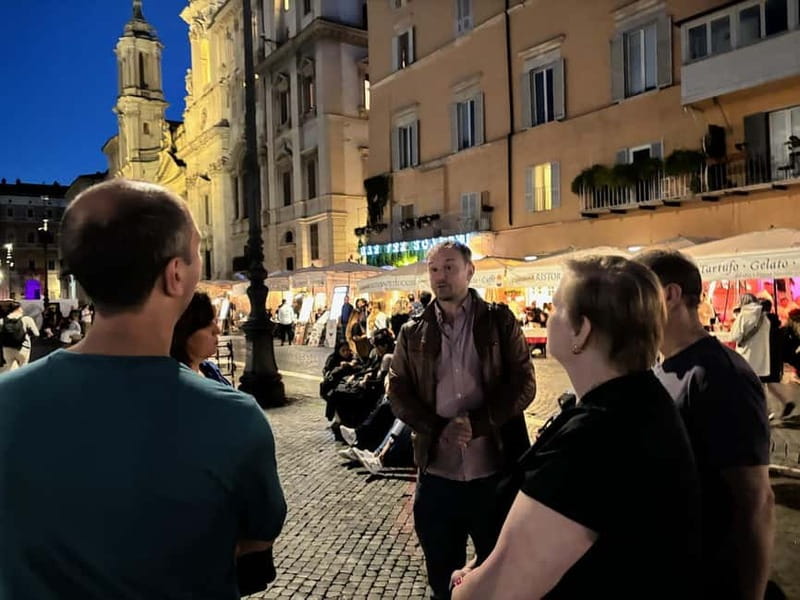
The Trevi Fountain is one of Rome’s most photographed sights. During this tour, it becomes the setting for a ghost story rather than simply a place to toss a coin.
The guide tells the story of a persistent ghost associated with the fountain, along with other details that are easy to miss during a standard sightseeing stop. The fountain remains beautiful, but the story changes the way you look at it.
The stop lasts around 15 minutes. That is enough time for the guide to tell the main story and point out the setting, but not enough for a long pause or a relaxed photo session. If you want extensive time at the fountain, return on your own another day.
This is also one of the reasons timing matters. The tour works especially well after sunset, when the city’s monuments take on a more theatrical mood. Still, it runs rain or shine, so bring weather-appropriate clothing rather than relying on the ghosts to provide an umbrella.
The Pantheon and a scandal behind the piazza
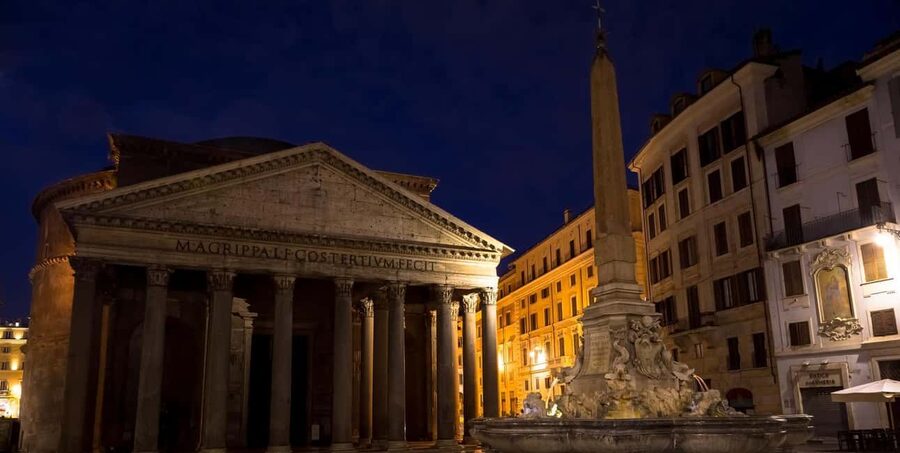
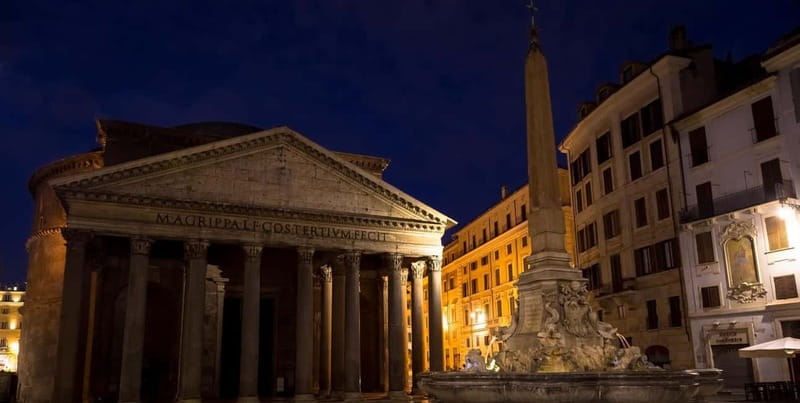
The Pantheon stop lasts about 15 minutes. You may already know the building from a daytime visit, but the tour shifts the focus from architecture to a darker local story.
The surrounding piazza conceals a culinary scandal involving murder. The story is deliberately grim, and the guide presents it as part of the strange social world that existed behind Rome’s elegant façades.
This is a good example of what the tour does best. You see a famous monument, then learn that the surrounding streets have held secrets that a conventional history tour may skip. The story gives you another reason to pay attention to the buildings around the Pantheon rather than treating the area as a backdrop for photographs.
The stop is brief, and the tour is story-led. If you want a detailed explanation of the Pantheon’s Roman engineering or religious changes, choose a dedicated Pantheon tour instead.
Piazza Navona and the final stories
The walk ends at Piazza Navona after roughly 20 minutes of guided time. This is a generous ending compared with the shorter stops, and the piazza provides a dramatic setting for stories about violence, power, and public punishment.
You hear about a noblewoman whose hands attracted dangerous attention and an innkeeper who made the mistake of complaining about papal tax policy to strangers. The stories show how quickly everyday life could become dangerous in earlier Rome.
Piazza Navona is also a practical ending point. You are left in one of central Rome’s most famous squares, with plenty of options for continuing your evening. The tour does not include food, drinks, or transportation, so you can choose your own restaurant or walk onward afterward.
The route covers famous places, but it is not a checklist tour. The guide uses each stop as a stage for stories. That makes the walk especially useful if you have already seen the main monuments and now want a different way to understand them.
The guides make or break the evening
The strongest part of the experience is the guiding. The tour has received a 4.9 rating from 133 reviews, and the praise focuses heavily on the guides’ storytelling, humor, and personal style.
Alethea, also spelled Alithea or Alethia in some accounts, is repeatedly praised for being funny, warm, and well informed. Ben is described as personable, clear, and passionate about the subject. Marilena receives praise for making the group feel connected to Rome’s past, while Ivana is noted for adding historical background at each stop.
Leo and Maria are also praised for being friendly, relaxed, and helpful. Several guides have offered suggestions for the rest of a visitor’s time in Rome, which can be useful if you take this tour early in your stay.
The exact personality will depend on who leads your departure. That is normal with small-group tours. The good news is that the pattern is strong: the best guides do not simply recite dates. They connect facts, legends, and dark humor without losing the historical setting.
You should enjoy this format if you like asking questions and listening to a story unfold. The group size, capped at 10, helps. You are less likely to be lost in a crowd, and the guide can respond when a particular story catches your attention.
Does the $35 price offer good value?
At $35 per person, this is not the cheapest way to see a single Roman attraction. It is a fair price if you want both the crypt admission and a two-hour guided walk through several central locations.
The value comes from the combination. You are paying for entry to the Capuchin Crypts, an English-speaking guide, a small group, and a route that includes Via Rasella, the Trevi Fountain, the Pantheon, and Piazza Navona.
You could visit the fountain, Pantheon, and Piazza Navona on your own for free. You could also read about Rome’s dark stories independently. What you cannot easily recreate is the connection between the bone chapels and the city’s wider relationship with death, punishment, scandal, and supernatural tales.
The price feels strongest for first-time visitors who want a memorable introduction to central Rome. It also works well for repeat visitors who have already covered the Colosseum and other major sights but want something less conventional.
One four-star assessment considered the tour overpriced despite praising the crypt and guide. That is a reasonable caution. If you are interested only in the crypt, a basic entry option may be better value. If you want the full storytelling experience, the added walking tour makes the cost easier to justify.
Who should book this tour?
I would recommend it to adults, older teenagers, and anyone drawn to unusual history. One family enjoyed it with two teenagers, and an 18-year-old particularly liked the experience.
It suits you if you:
- Enjoy stories about ghosts, crime, executions, and strange customs
- Want more than the polished version of Rome
- Prefer a small group to a large bus-style tour
- Like walking between major sights while hearing local stories
- Have already seen Rome’s headline attractions
- Are comfortable around human remains and macabre material
I would think twice if you dislike stories about murder or find human bones upsetting. The crypt is not lightly decorated. The subject is the entire point of the visit.
This is also not the right choice if you need wheelchair access or want a fully live guide inside the crypt. The required audio guide handles the museum portion, while the live guide leads the introduction and the outdoor route.
Practical tips for a smoother visit
Wear comfortable shoes. The total time is only two hours, but you will walk between several central locations and may spend part of the route standing.
Arrive 10 minutes early at Via Vittorio Veneto, 19. Find the guide by the antique coin shop at the bottom of the stairs, not somewhere farther along the street.
Dress modestly from the start. Cover your shoulders and knees so you do not need to buy coverings at the crypt.
Consider booking this for the evening if available. The stories feel more atmospheric after sunset, and the route ends in Piazza Navona, a convenient place to continue your night.
Keep your expectations clear about the crypt. The venue’s audio guide is part of the visit, and the live guide may not accompany you through every chamber. The outdoor section is where the guide’s personality and storytelling become most prominent.
The tour allows free cancellation up to 24 hours before departure and offers reserve-now, pay-later booking. It runs in all weather, so check the forecast and bring suitable clothing.
Should you book the Capuchin Crypts and Ghostly Legends tour?
Book it if you want Rome with the sugarcoating removed. The bone chapels are unforgettable, and the walk adds stories you are unlikely to hear while simply taking photographs at the Trevi Fountain or Pantheon.
I especially like the small group, the strong guides, and the way the tour connects the crypt to the city beyond it. The audio-guide portion and the modesty rules are worth knowing before you pay, but they are not deal-breakers for most people.
Skip it if you want a conventional art, architecture, or Roman archaeology tour. Choose it if you want a thoughtful, sometimes funny, and often unsettling look at how Rome has handled death across the centuries.
FAQ
How long does the tour last?
The tour lasts two hours, including the Capuchin Crypt visit and the walking route through central Rome.
Where does the tour meet?
It meets outside the Capuchin Crypt entrance at Via Vittorio Veneto, 19, at the bottom of the stairs in front of the antique coin shop.
How early should I arrive?
Arrive 10 minutes early. The crypt has strict entry times, and late arrivals may not be accommodated.
What places does the walking route include?
The route includes Via Rasella, the Trevi Fountain, the Pantheon, and Piazza Navona, where the tour ends.
Is the tour conducted in English?
Yes. The tour has a live English-speaking guide.
How large is the group?
The group is limited to 10 participants.
What clothing is required inside the crypt?
Your shoulders and knees must be covered. Shorts, short skirts, and sleeveless shirts are not allowed. Coverings can be purchased on site for €1 if needed.
Is the tour accessible for wheelchair users?
No. The tour is not suitable for wheelchair users.
More Cemetery Tours in Rome
- Rome: Ghosts & Bone Crypts Tours: 2 Tours, 1 Discount Ticket
★ 4.9 · 37 reviews - Rome’s Dark Side: Ghosts, Scandals and Crypts – Small Group Tour
★ 5.0 · 28 reviews - COMBO: Rome’s Capuchin Crypts Tour & Rome’s Dark Side Ghost Tour
★ 5.0 · 21 reviews - Rome’s Dark Side: Ghosts, Scandals and Crypts – small group
★ 5.0 · 2 reviews
Newly added around Rome
- Rome Secrets with Dark History and Tasty Bites Tour Experience★ 4.5 · 3 reviews
- Rome After Dark Mysteries Myths and Haunted History★ 5.0 · 14 reviews
- Ghost & Legends in Night Rome Walking Tour★ 5.0 · 36 reviews
- Rome: Private Night Ghost Walking Tour★ 5.0 · 38 reviews
- Haunted Rome: Eternal City Night Walking Tour★ 5.0 · 38 reviews
- Experience Rome in this Mysterious Ghost Tour★ 3.5 · 3 reviews
- Haunted Rome & True Crime: The Cenci Curse Game★ 4.5 · 27 reviews
- Ghosts and Crimes of Rome Night Walk★ 5.0 · 61 reviews
Rome Ghost Tours, compared.
Paranormal Night Walking Tour & Secret Backstreets
Read our review →

Small Group Rome’s Dark Side – Ghosts & Legends Tour
Read our review →
Ghosts, Legends & Mysteries of Rome Tip-Based Walking Tour
Read our review →
Browse the lists this tour appears in