
REVIEW · LONDON GHOST TOURS
Dr Blood’s Jack the Ripper Tour
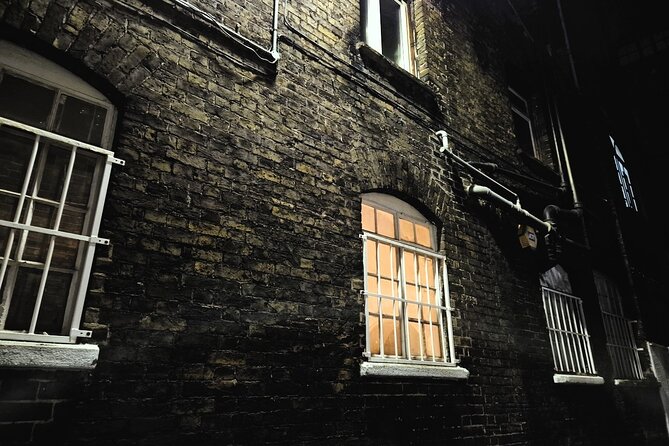
The Whitechapel murders still cast a long shadow. Dr Blood’s Jack the Ripper Tour turns that grim story into a two-hour walk through streets where the crimes took place, pairing historical detail with a costumed theatrical guide. I like the route because it visits 14 important locations, including murder sites, pubs, streets, and police evidence points. I also like the way the tour connects the crimes to ordinary Whitechapel life, not just the killer.
The strongest feature is the performance. Guide Samuel Scruples, played by a professional actor, stayed in character and used theatrical poise, anecdotes, period images, and storytelling to help you picture streets that have changed greatly since the late 1800s. The main consideration is the subject matter: this is a dark, murder-focused walk, and some stops discuss graphic crimes and difficult living conditions. It also requires good weather and finishes at a different point from where it begins.
Key points to know before booking
- A two-hour evening walk through Whitechapel: The tour starts at 7:15 pm and finishes near Brushfield Street in Spitalfields.
- Fourteen locations with five main murder sites: The route covers Gunthorpe Street, Hanbury Street, Henriques Street, Mitre Square, and the final murder site near Brushfield Street.
- Samuel Scruples brings theatrical energy: The costumed professional actor remains in character and uses stories and period images to make changed streets easier to understand.
- The route includes more than crime scenes: You also see the Ten Bells, Princelet Street, Goulston Street, Artillery Lane, and streets linked to workhouses and poverty.
- Small enough to feel personal: The group is capped at 25 people, which should make it easier to hear the guide than on a large city walk.
- Good value at $26.15 per person: There are no extra admission charges because the experience takes place outdoors on public streets.
Why this London crime walk feels different
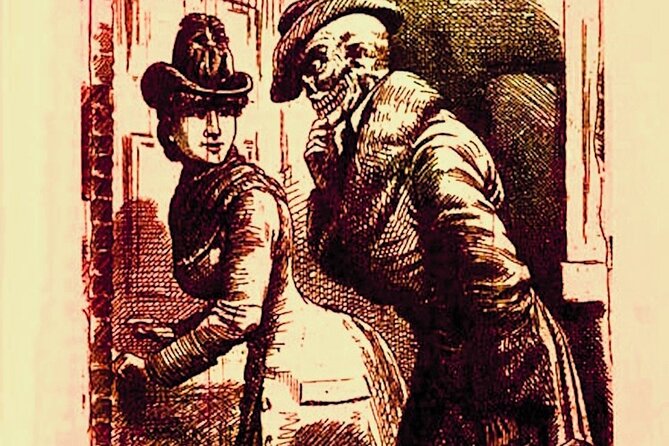
Many Jack the Ripper tours focus on sensational clues and leave you with a string of dark alleys. This one has a wider aim. It follows the murders while also showing where victims lived, how poverty shaped Whitechapel, and how police and newspapers helped create panic.
That wider setting matters. You are not simply moving from one crime scene to the next. The stops at Old Montague Street and Flower and Dean Walk add social context, while Goulston Street and Artillery Lane show how evidence and speculation moved through the city.
The guide is central to the experience. The tour is fully led by a professional actor in costume, and Samuel Scruples has received particular praise for staying in character throughout the walk. His style suits the subject. A flat lecture could make two hours feel heavy, while a pure theatrical show might leave out useful facts. Here, the aim is to combine both.
You should still know what you are booking. This is not a general walking tour of East London. Jack the Ripper is the subject from start to finish, and the story includes murder, dismemberment, poverty, fear, and police failure. If you prefer lighter sightseeing after dinner, choose another evening activity.
More Jack the Ripper Tours in London:
- London: The Original Jack the Ripper Walking Tour
★ 4.7 · 7,833 reviews - London Jack the Ripper Guided Tour with Ripper-Vision
★ 4.5 · 4,840 reviews - London: Jack the Ripper Small Group Tour
★ 4.7 · 3,159 reviews
Starting at Whitechapel Railway Station
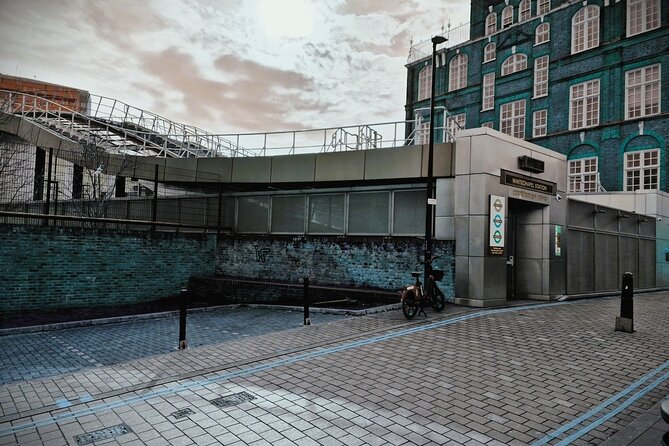
Meet the guide just across from the Durward Street exit of Whitechapel Railway Station. The meeting point is on Durward Street, near Whitechapel Road, and the tour begins at 7:15 pm.
The opening murder site is directly across the road, so the story begins quickly. There is no long introductory walk before the subject starts. That is useful if you want to make the most of the two-hour schedule, though it also means you should arrive ready to listen.
The first stop lasts about 10 minutes. Introductions are made, the guide sets the scene, and you begin with the first murder site attributed to Jack the Ripper. Since the tour takes place on active city streets, you should stay close to the group and pay attention while crossing roads.
Winthrop Street and Old Montague Street
Winthrop Street is a short three-minute stop, but its purpose is important. Here, you learn how the killer could blend into the crowd. The point is less about a dramatic building and more about understanding the city as a place where residents, workers, drinkers, and strangers moved past one another.
Old Montague Street follows with a four-minute stop. The guide discusses the old workhouse and explains how the first three victims were examined forensically. This adds useful context to a case often reduced to a mysterious figure in a cape.
The short timing at these stops tells you something about the tour’s pace. Some places are quick points of explanation rather than full visits. You will spend longer at the major crime scenes, while minor locations help connect the main story.
Gunthorpe Street and Flower and Dean Walk
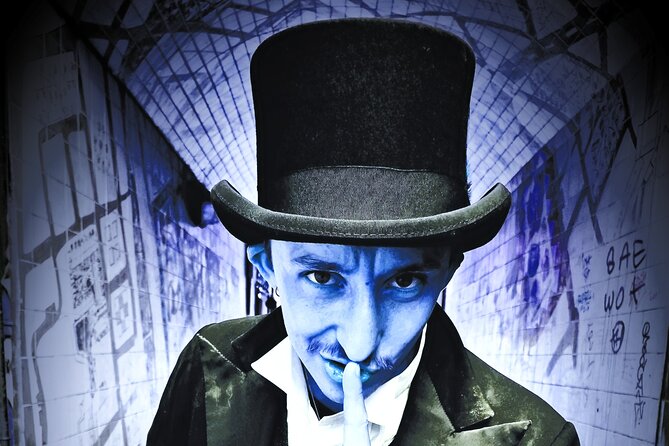
Gunthorpe Street is one of the key stops. It is linked to the first murder currently attributed to Jack the Ripper, and the tour allows about eight minutes here. This is where the walk begins to establish the pattern of the crimes and the uncertainty surrounding the historical record.
The wording matters. The tour refers to murders currently attributed to Jack the Ripper, rather than treating every detail as settled fact. That is a sensible approach for a case filled with disputed evidence, changing theories, and press coverage.
Flower and Dean Walk receives about six minutes. The guide explains how the victims lived and what the area was like for people with very little money. This is one of the more valuable parts of the route because it moves beyond the killer and gives attention to the women whose lives are often pushed aside.
You may find these sections more troubling than the mystery itself. The walk does not present Whitechapel as a stage set. It shows a harsh social setting where insecure housing and poverty formed part of daily life.
Same streets, an entirely different kind of scare:
- Ghost, Ghouls and Gallows Tour : Guided Tour with Boat Ride
★ 4.5 · 3,212 reviews - London Jack The Ripper Guided Walking Tour
★ 5.0 · 3,131 reviews - London: Comedy Horror Ghost Tour on a Bus
★ 4.4 · 2,084 reviews - London: Jack the Ripper Tour with Immersive Ripper Vision
★ 4.5 · 1,840 reviews
Hanbury Street and the growing panic
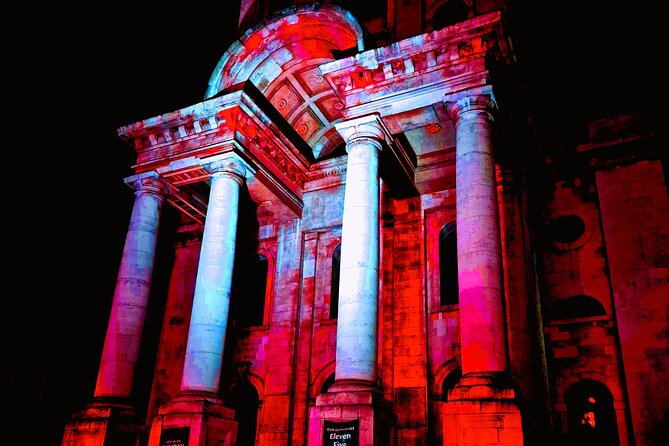
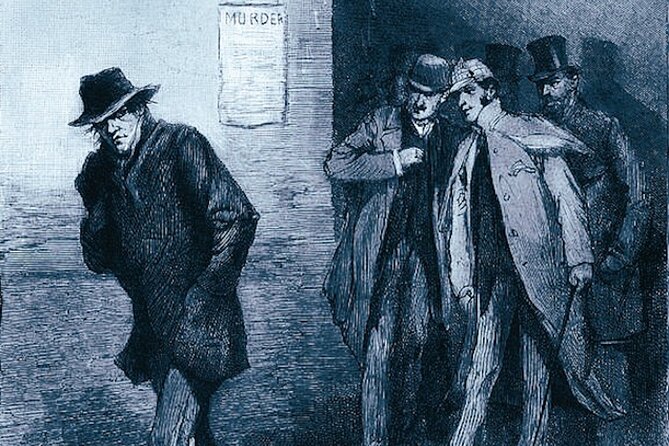
Hanbury Street is the third murder scene on the route and lasts about seven minutes. The tour presents this point as a moment when the killer became more indulgent and the police and newspapers began feeding public fear.
This stop links the individual crime to the wider reaction. Newspaper reports could magnify anxiety, while police investigations struggled to keep pace. That tension gives the tour a useful second storyline: not just what happened, but how London learned about it and responded.
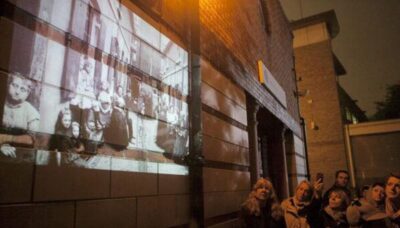
The streets have changed since the 19th century. Period photographs and the guide’s descriptions help you picture what is no longer visible. The supplied experience does not promise preserved crime scenes, and that is important. You are walking through modern East London with historical clues layered onto it, not entering a perfectly preserved Victorian district.
Princelet Street and the Ten Bells
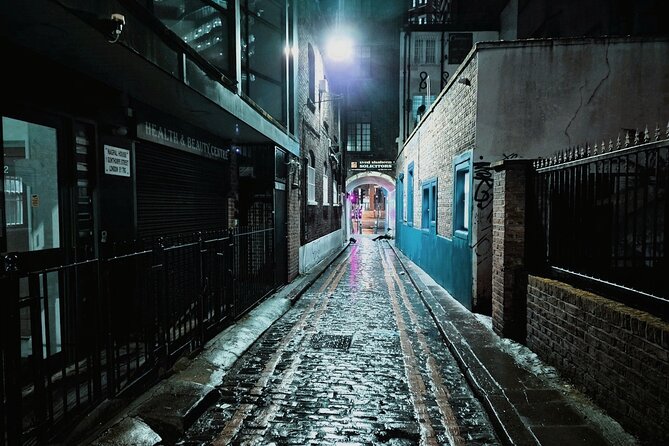
Princelet Street provides a short three-minute interlude. The building here strongly recalls the appearance of the late 19th century and is also described as one of the most expensive houses in the area.
That contrast is striking. A street can carry visual reminders of the past while taking on a very different modern value. The stop gives you a moment to notice the area beyond the murder story.
The route then reaches the Ten Bells, another three-minute stop. The pub forms part of the Jack the Ripper story and also has a surprising secret. The tour does not treat it only as a photo opportunity. It uses the pub to show how ordinary places became tied to the case.
There is also a practical note here. The route passes along a street with pubs, shops, and eateries, and the tour specifically recommends returning for a tasty meal. If you want to eat before or after the walk, this part of the route gives you a convenient place to consider, although the tour price does not include food.
Henriques Street and the double event
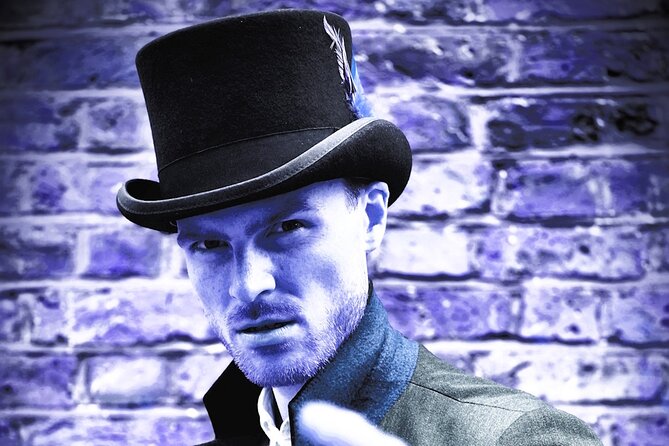
Henriques Street is the fourth murder site and the beginning of what became known as the double event. The stop lasts about five minutes and explains why the story takes such a sudden turn.
The double event is one of the most dramatic parts of the case because two killings happened in a short period. The tour uses this location to build urgency without needing elaborate staging. The setting itself, combined with the guide’s narration, carries the moment.
This is also where the evening format helps. A 7:15 pm start means much of the route unfolds after dark, which suits the tone. At the same time, darkness can make streets harder to see and photographs harder to compare. You should treat the atmospheric setting as a bonus, not as a guarantee that every historic detail will be visible.
Mitre Square and Goulston Street
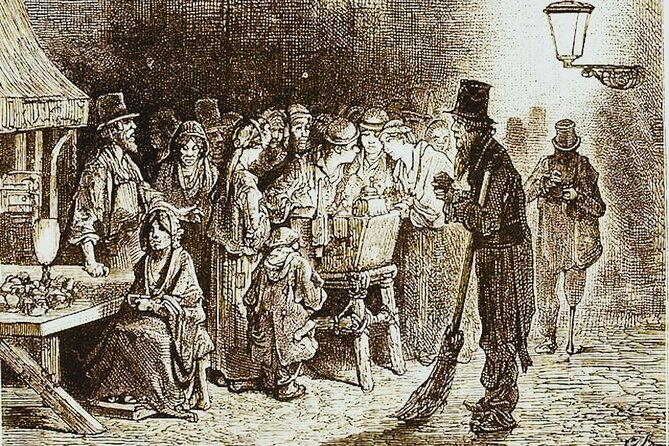
Mitre Square is the fifth murder site on the tour and receives about six minutes. It is presented as the location of the fifth of the six murders currently attributed to Jack the Ripper.
The guide asks a practical question: how could such a killer escape, especially with what was found at the next location? That question moves the tour from crime scene to investigation.
At Goulston Street, police made a shocking discovery. The stop lasts about five minutes and focuses on what was found and what happened afterward. This is one of the strongest evidence-based sections of the walk because it shows how a single discovery could create new pressure on the investigation.
You should expect the guide to explain the significance rather than simply point at a modern street. The location has changed, so the value lies in the story, the sequence of events, and the period images used to fill in what time has removed.
Artillery Lane and White’s Row
Artillery Lane lasts about five minutes. Today it is described as a charming lane with pubs, shops, and places to eat, but it also connects to another important clue given to the authorities.
This stop is a good example of the tour’s mix of past and present. You see a functioning London street while hearing about a moment that once mattered greatly to the investigation. It also gives you another possible food stop along the route.
White’s Row follows for about four minutes. Here, the guide explains the worst conditions that 19th-century Whitechapel had to offer and begins the final chapter of the tour.
This section brings the social setting back into view. The crimes were not isolated from the surrounding streets. Housing, work, poverty, policing, and public fear all shaped the case. If you want only clues and suspects, this may feel like a slower part of the tour. If you want to understand the setting, it adds needed weight.
Brushfield Street and the final murder site
Before entering Brushfield Street, you reach the final murder site on the route. The stop lasts about eight minutes and is described as the worst of the crimes covered by the tour.
The guide closes with the central unresolved question: will the killer ever be found? The tour ends at the Corporation of London Superintendents Office, at 67 Brushfield Street, near Spitalfields Development Group.
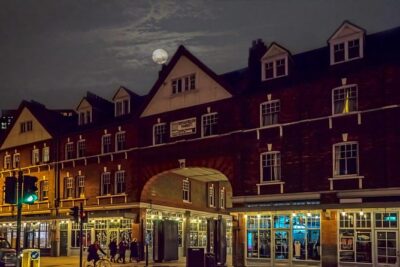
This ending point is different from the starting station, so plan your onward journey rather than expecting to return to Whitechapel. The finish near Brushfield Street also places you close to the historic Spitalfields area and the pubs, shops, and eateries encountered earlier.
Guide style, group size, and atmosphere
The guide can make or break a story-based walking tour. Here, the guide is a professional actor in costume, and Samuel Scruples receives especially strong praise for theatrical poise, anecdotes, and staying in character for the entire walk.
That performance should appeal to you if you enjoy storytelling with a touch of drama. It may be less appealing if you prefer a quiet academic lecture with no character work. The guide’s role is not a small extra. It is the main way the tour turns changed streets into a historical narrative.
The maximum group size is 25. That is not an intimate private walk, but it is modest for a popular London attraction. You should have a reasonable chance of hearing the guide, though busy streets and outdoor conditions can still affect the experience.
The tour is offered in English only. Most people can participate, and the route is near public transportation. No admission tickets are needed at the stops, since this is an outdoor walking experience.
Is $26.15 a fair price?
At $26.15 per person, the tour offers two hours of guided entertainment and historical explanation without extra entrance fees. The value is strongest if you want both facts and performance, rather than simply walking past locations with a map.
The price also covers a full route from Whitechapel to Spitalfields, with 14 stops and five major murder sites. You are paying for the guide’s preparation, storytelling, and interpretation of places that can otherwise look ordinary.
The drawbacks are clear. You will be outdoors for two hours, the route requires walking, and the experience can be canceled in poor weather. Tips are not included, so you may want to budget separately for a gratuity if the guide’s work earns one.
The tour is booked an average of 35 days ahead, so leaving it until the last moment may not be wise. It offers free cancellation up to 24 hours before the start time, but late cancellations and late changes are not refunded.
Who should book this tour?
I would choose this walk if you have an interest in Victorian London, unsolved crimes, police work, newspaper culture, or theatrical storytelling. It is also a good fit if you want to see Whitechapel and Spitalfields at a measured pace rather than rush through them during a daytime sightseeing loop.
The tour may suit older children and teenagers who can handle serious crime themes, but the supplied information does not set a specific age recommendation. Use your judgment based on the graphic subject matter.
You should skip it if murder stories make you uncomfortable, if you need an indoor activity regardless of weather, or if you want a general tour of London landmarks. This experience stays focused on Jack the Ripper and the streets connected to the case.
Should you book Dr Blood’s Jack the Ripper Tour?
I would book it if you want a well-paced evening walk with a strong character guide and a route that gives social context to the crimes. The 5 out of 5 rating from 13 reviews and a 100 percent recommendation rate reflect the main strength of the experience: Samuel Scruples makes the history easy to follow and keeps the storytelling lively.
Book well ahead if your dates are fixed, wear comfortable shoes, and arrive at the Durward Street meeting point before 7:15 pm. Most of all, go with the right expectations. You are not visiting a preserved Victorian crime scene. You are walking through modern London while a costumed actor helps you reconstruct a disturbing chapter of its past.
FAQ
Where does Dr Blood’s Jack the Ripper Tour start?
The tour starts on Durward Street, near the Durward Street exit of Whitechapel Railway Station, close to Whitechapel Road in London E1 1BY.
What time does the tour begin?
The tour starts at 7:15 pm.
How long does the tour last?
The walking tour lasts approximately two hours.
Where does the tour end?
The tour ends at the Corporation of London Superintendents Office at 67 Brushfield Street, London E1 6AA.
How much does the tour cost?
The listed price is $26.15 per person.
Is the tour conducted in English?
Yes. The experience is offered in English.
Is the guide in costume?
Yes. The tour is fully guided by a professional actor in costume.
How many people can join the tour?
The maximum group size is 25 people.
Is cancellation free?
You can cancel up to 24 hours before the start time for a full refund. Cancellations made less than 24 hours before the start time are not refunded.
What happens if the weather is poor?
The experience requires good weather. If poor weather causes a cancellation, you will be offered another date or a full refund.
Newly added around London
- Ghosts, Gore & Other Ghasty Stories in the City of London★ 5.0 · 7 reviews
- Wicked Whitechapel: Where Now’s Jack The Ripper Audio Tour★ 5.0 · 2 reviews
- Afternoon Jack the Ripper : Guided Tour★ 5.0 · 183 reviews
- Visit Jack the Ripper in French★ 5.0 · 33 reviews
- The Fading Light London Ghost Walk★ 5.0 · 35 reviews
- Self-Guided Audio Tour-Behind the shadow of evil: Jack the Ripper★ 4.0 · 2 reviews
- The Haunted Pubs of Old London: Small Group Tour★ 5.0 · 38 reviews
- Jack the Ripper – What About the Women?★ 5.0 · 39 reviews
London Ghost Tours, compared.
London Jack the Ripper Guided Tour with Ripper-Vision
Read our review →
Ghost, Ghouls and Gallows Tour : Guided Tour with Boat Ride
Read our review →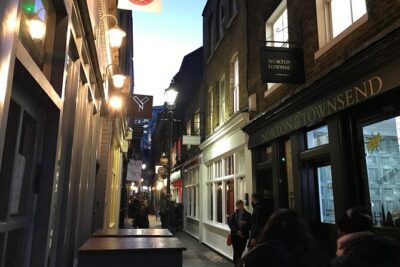
Jack the Ripper Tour with Immersive Ripper Vision
Read our review →
German Language : Original Jack the Ripper Tour
Read our review →Browse the lists this tour appears in