
REVIEW · ROME GHOST TOURS
Rome After Dark: Ghosts & Medieval Backstreets Tour
History feels different after sunset. Rome After Dark turns familiar streets into a stage for executions, prison tales, religious conflict, and old legends. I like the focus on real places, from Campo de’ Fiori and the statue of Giordano Bruno to the grim church of Santa Maria dell’Orazione e Morte. I also like that the tour is led in English by a live guide and kept to an intimate shared group.
The best part is the strong storytelling about murder, torture, and betrayal, rather than a simple parade of spooky claims. The French feedback describes the guide as passionate, informative, and pleasant, while an American review calls the experience very informative and interesting. The main drawback is price: at $82 per person for two hours, this is not a bargain walk, especially if you want a long sightseeing tour.
Key points before you book
- Giordano Bruno’s execution site: Begin in Campo de’ Fiori beside the philosopher’s monument and hear how religious conflict led to his death.
- A church filled with skull imagery: Santa Maria dell’Orazione e Morte gives the tour its most openly macabre setting.
- A route through Rome’s darker past: Stories cover executions, prison life, toxic cosmetics, secretive monks, and infamous figures.
- Castel Sant’Angelo finale: The former tomb, fortress, prison, and execution site provides a dramatic closing chapter.
- Two hours on foot: You will walk through historic central Rome, so comfortable shoes matter.
- Best for adults who like history with a sinister edge: This is more historical storytelling than theatrical haunted-house entertainment.
Why Rome feels different after dark
Rome is often sold through sunlight: fountains, ochre walls, grand churches, and ancient ruins. This tour asks you to look at the same city through its less polished past. The stories involve condemned people, religious punishment, political fear, poison, and death. That shift in tone is the whole point.
I like the concept because the route uses places you can actually see. You are not sitting in a room listening to invented ghost stories. You are near a statue, a church, a fountain, old streets, and one of Rome’s most famous fortresses. The supernatural element adds mood, but the historical material carries the experience.
The tour lasts two hours and is conducted in English. That is enough time for a focused evening walk without taking over your entire night. It also means the guide has to keep the stories moving. You should expect selected episodes and atmospheric stops, not a full lecture on every period of Roman history.
The group is shared and described as intimate, which should make it easier to hear the guide and ask a question. Exact group numbers are not provided, so I would not assume a private or tiny tour. Still, the format is more personal than a large coach excursion, and the walking route gives the evening a natural rhythm.
A few more hauntings around Rome worth booking
- Rome: Paranormal Night Walking Tour & Secret Backstreets
★ 4.9 · 1,921 reviews - Haunted Rome Ghost Tour – The Original
★ 4.5 · 668 reviews - Rome: Haunted City Night Walking Tour
★ 4.9 · 616 reviews
Meeting Giordano Bruno in Campo de’ Fiori
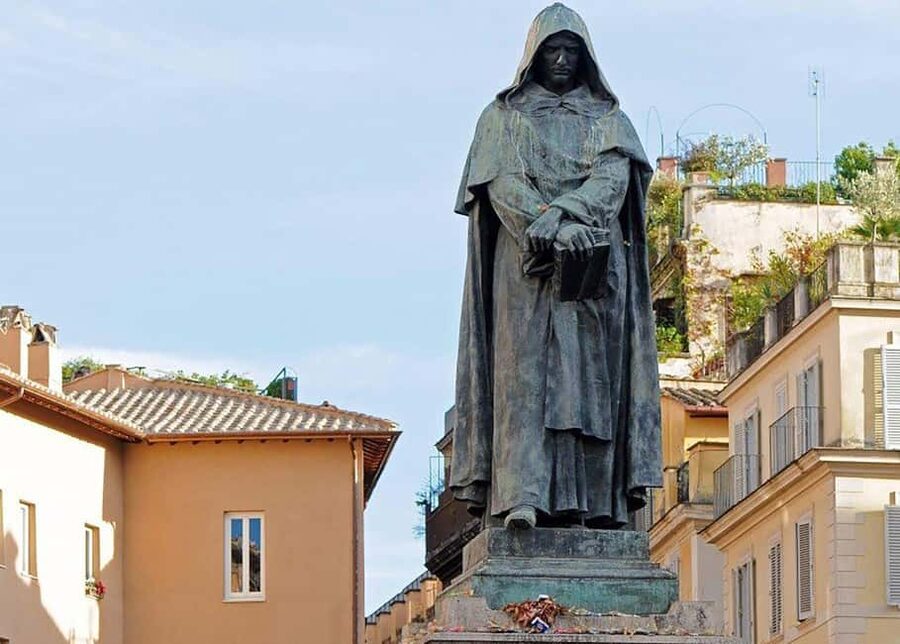
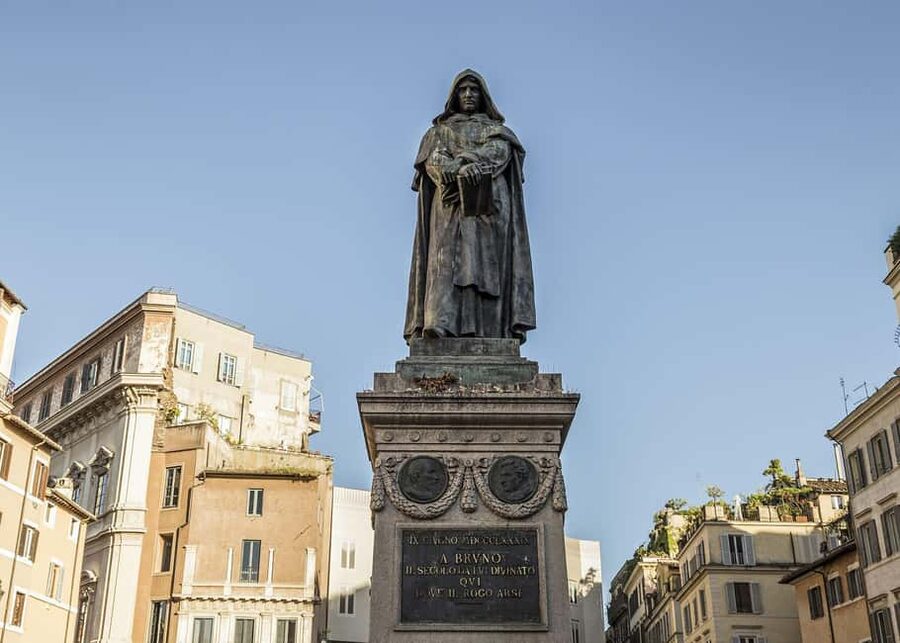
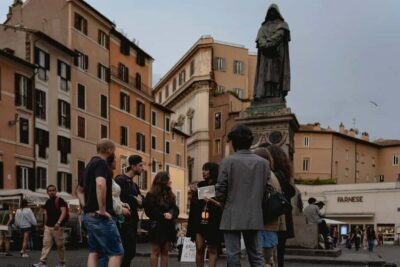
Your meeting point is the center of Campo de’ Fiori, in front of the Giordano Bruno monument. Look for the guide holding a yellow flag. This detail matters because Campo de’ Fiori is easy to recognize but can be crowded and confusing, particularly around evening dining hours.
The square feels lively in ordinary use, which makes its connection to execution especially striking. Bruno was a philosopher who challenged church authority and was burned to death here. The guide uses his story to explain religious intolerance and the danger of ideas that offended powerful institutions.
This is one of the tour’s strongest openings. It gives you a real person, a visible statue, and a clear moral conflict. You are not asked to believe that a ghost is present. Instead, you are reminded that the ground beneath a pleasant Roman square has witnessed a brutal public death.
Arrive with enough time to find the monument and your guide. Transportation to Campo de’ Fiori is not included, so you need to make your own way there. Since the return point is also Campo de’ Fiori, the tour can fit neatly before or after dinner, provided you leave enough time between this walk and another booked activity.
Medieval lanes, Ponte Sisto, and the Fountain of the Mask
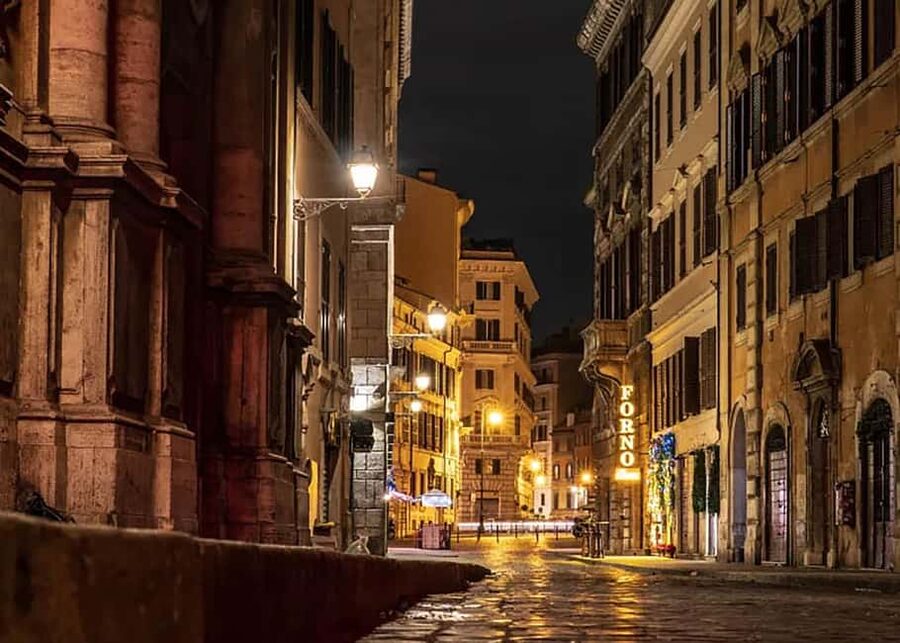
From Campo de’ Fiori, the route moves into central Rome’s older streets. The appeal here is not a single major attraction. It is the change in atmosphere as you leave a familiar square and follow cobbled lanes connected with crime, punishment, and old rumors.
Ponte Sisto is one of the named stops. The bridge helps connect the walk’s locations while keeping you in the historic center. Expect the guide to use the surrounding streets as part of the story, pointing out how Rome’s medieval and early modern communities lived with public punishment and religious authority close at hand.
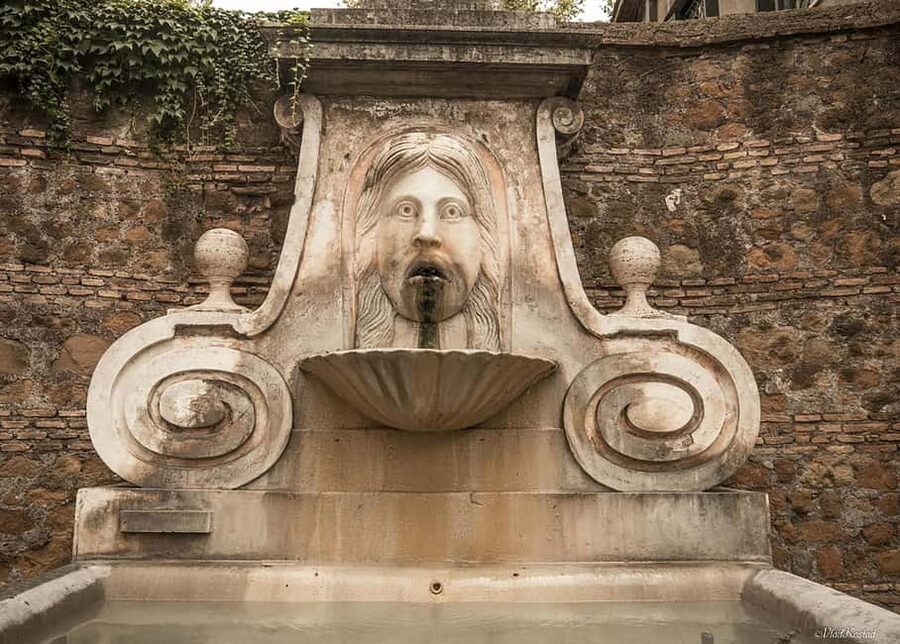
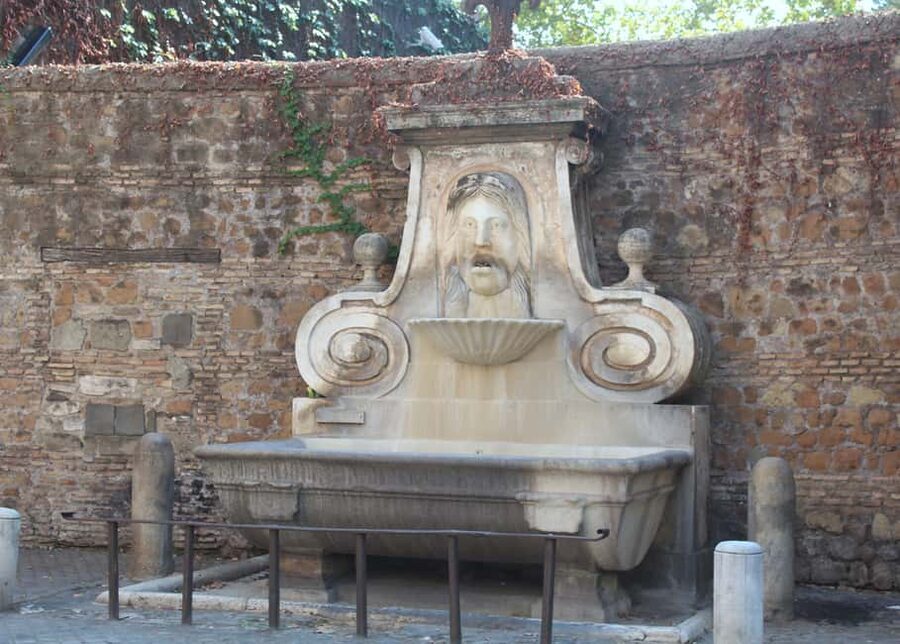
The Fountain of the Mask adds another unusual detail. A named fountain is easy to overlook during a standard sightseeing walk, but on this tour it becomes part of a chain of darker stories. That is a useful reminder that Rome’s most engaging details are often not its grandest monuments.
The route is delivered as a guided walk rather than a theatrical performance. The available information promises an expert, fluent guide, but no guide’s name is supplied. Past feedback specifically praises the guide’s ability to tell stories with passion and provide useful historical information. That praise matters here because the quality of this experience depends heavily on delivery.
Santa Maria dell’Orazione e Morte and the skull-filled stop
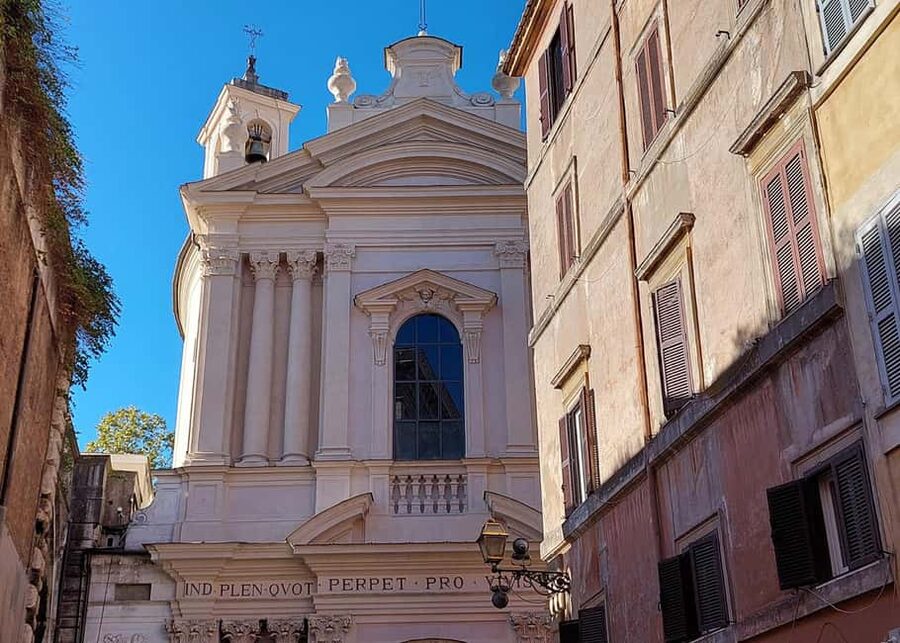
The church of Santa Maria dell’Orazione e Morte is the most obvious match for the tour’s title. Its name refers to prayer and death, and the church is associated with human skull imagery and memorials to the dead. The tour’s information lists this church twice, which likely reflects more than one part of the stop, such as an exterior explanation and a closer look at its macabre details.
This is where the evening’s mood becomes most direct. You may see a church that looks modest from the outside, then learn about the devotional culture surrounding death, burial, and remembrance. The setting gives the guide a chance to move from sensational tales toward a more serious question: how did people in earlier Rome understand death as part of daily public life?
If the tour includes access inside the church, you should dress appropriately. The instructions specifically ask you to carry a cape or covering for bare shoulders in warmer months. The information does not guarantee interior entry at every departure, so treat the church as a key stop rather than a promised admission.
This part may be less suitable for very young children or anyone who dislikes skulls, executions, and religious death imagery. It is not described as a jump-scare attraction. The effect comes from the setting and the subject matter.
Same streets, an entirely different kind of scare:
- Haunted Rome Ghost Night Walking Tour
★ 5.0 · 495 reviews - Rome: Guided Bar Crawl with Drinks & Dark History
★ 4.9 · 444 reviews - Rome: Small Group Rome’s Dark Side – Ghosts & Legends Tour
★ 4.9 · 343 reviews - Ghosts, Legends & Mysteries of Rome Tip-Based Walking Tour
★ 4.7 · 284 reviews
The monks, the executioner, and Rome’s less polished stories
The tour also visits the former home of a secretive order of monks. Their mysterious rituals and influence are presented as part of Rome’s more unsettling religious past. The details supplied for the experience do not identify the order by name, so you should expect the guide to provide the specific context during the walk.
That lack of a full published backstory is actually useful if you enjoy suspense. You will hear the story on location rather than read every detail in advance. Still, if you want precise historical names and dates for every stop, this may feel lighter than an academic tour.
Another stop concerns the childhood home of one of Rome’s most notorious executioners. The story connects a personal upbringing with a life shaped by punishment and death. That angle gives the tour some human depth. Instead of treating an executioner as a cartoon villain, the guide can show how a culture of public executions created its own feared professionals.
You will also hear about one of Rome’s infamous prisons, now represented by ruins. The cries of condemned prisoners and tales of torture form part of the stop. This is the point where the tour’s themes of betrayal and punishment come together.
I appreciate this section because it shows how the tour moves beyond ghosts. Rome’s dark side was not only a collection of strange legends. It included institutions, jobs, buildings, and rituals built around controlling people through fear.
The poisonous perfumery and death by cosmetics
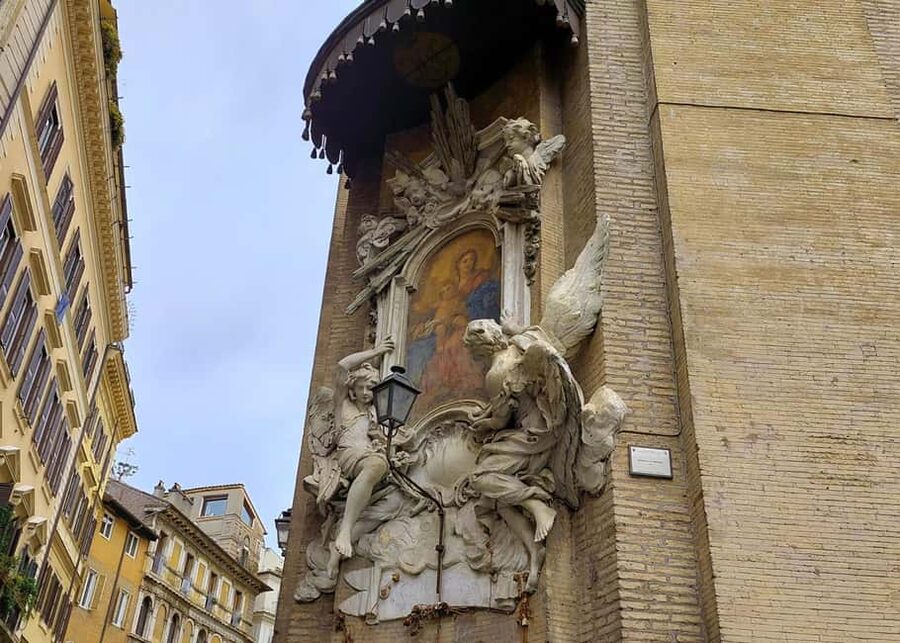
One of the more unusual stories concerns a poisonous perfumery. Women seeking beauty used toxic cosmetics, with fatal results. The tale adds a domestic and personal form of danger to a route otherwise dominated by prisons, executions, and religious punishment.
This stop broadens the tour’s subject matter. Death did not always arrive through a courtroom or a dungeon. It could also enter a home through vanity, commercial products, or a desire to improve one’s appearance. The story is grim, but it gives the evening a different pace.
Do not expect a visit to a working perfumery or a shopping stop. The attraction is the historical account connected with the place. As with the other locations, the guide’s storytelling is more important than any display.
Castel Sant’Angelo, the dramatic final stop
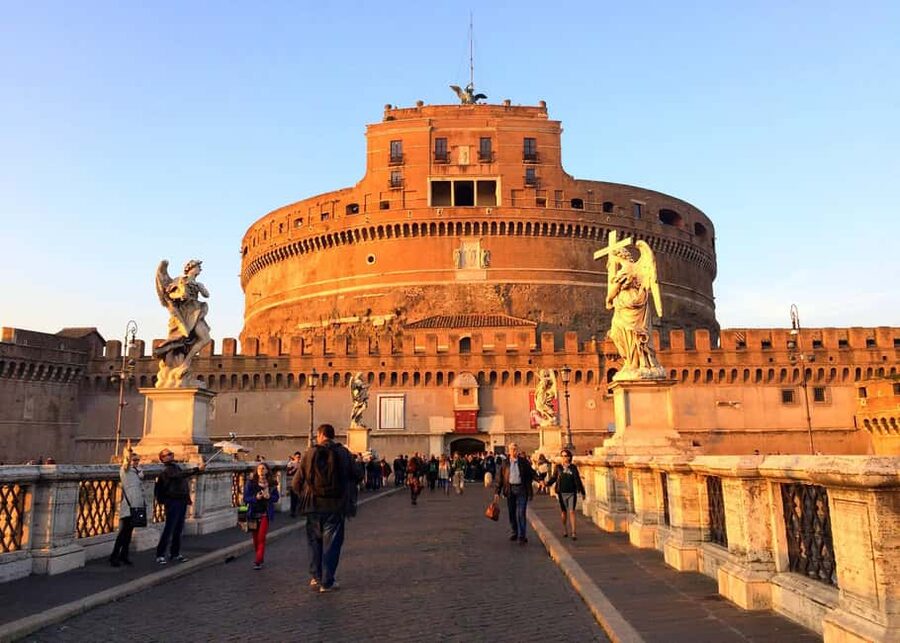
The tour reaches its climax at Castel Sant’Angelo. The building began as the tomb of Emperor Hadrian, then took on later roles as a fortress, prison, and place of torture and execution. That sequence alone makes it an ideal final setting for a ghost walk.
You will hear about people who died within its walls and the spirits said to remain there. The fortress gives the ending visual weight, even if you only view it from outside. Its massive form and long connection with imprisonment fit the tour’s themes better than a generic nighttime viewpoint would.
Castel Sant’Angelo is also a useful reminder of how Rome reuses old structures. A tomb became a defensive stronghold, then part of the machinery of punishment. The building’s changing purpose makes the final story more than a ghost tale. It shows how power leaves marks on the city over many centuries.
The listed route returns to Campo de’ Fiori. Since the walk is only two hours, you should expect a brisk route rather than a long pause at every site. The exact walking path and time at each stop can change with conditions, group pace, and access to churches.
Is $82 a fair price for two hours?
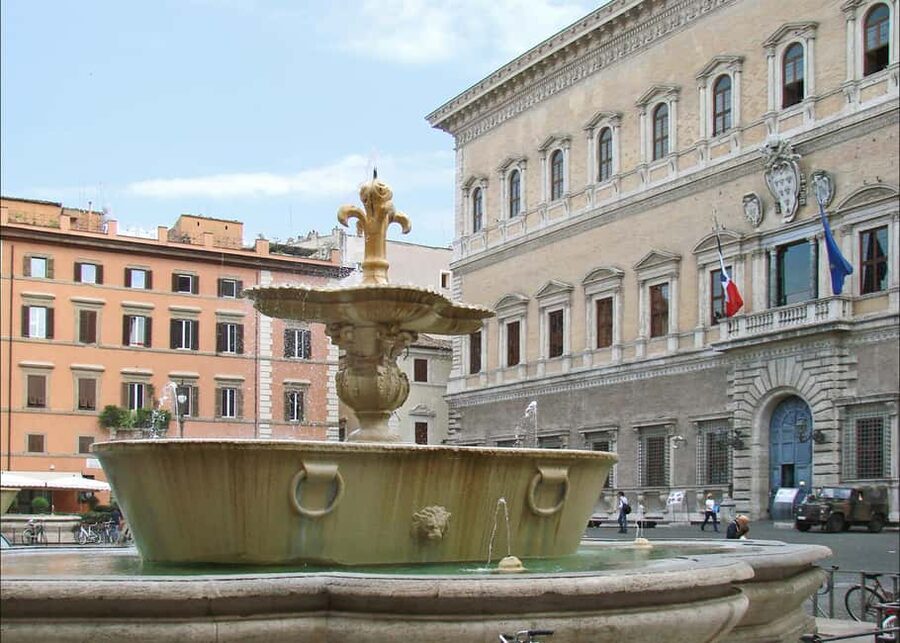
At $82 per person, this is a premium short walking tour. The price makes the most sense if you value a live English-speaking guide, a small or intimate group feel, and a carefully themed route through central Rome.
You are paying for interpretation rather than transportation or a meal. Transport to and from Campo de’ Fiori is not included, and extra food and drinks are not included. The supplied details also do not promise entrance tickets to every location, so check what access is offered at your chosen time.
The value improves if you enjoy focused tours. Two hours is long enough to hear several connected stories without committing an entire evening. It is less appealing if you mainly want free time to photograph monuments or prefer a standard Roman history walk covering major landmarks.
The strongest praise concerns the guide’s informative and passionate storytelling. That is exactly where the price must earn its keep. If the guide brings the sites to life, the experience can feel distinct from simply walking through the same streets alone. If you want extensive interior visits or detailed archaeological explanation, the price may feel high for the duration.
Practical advice for a smoother evening
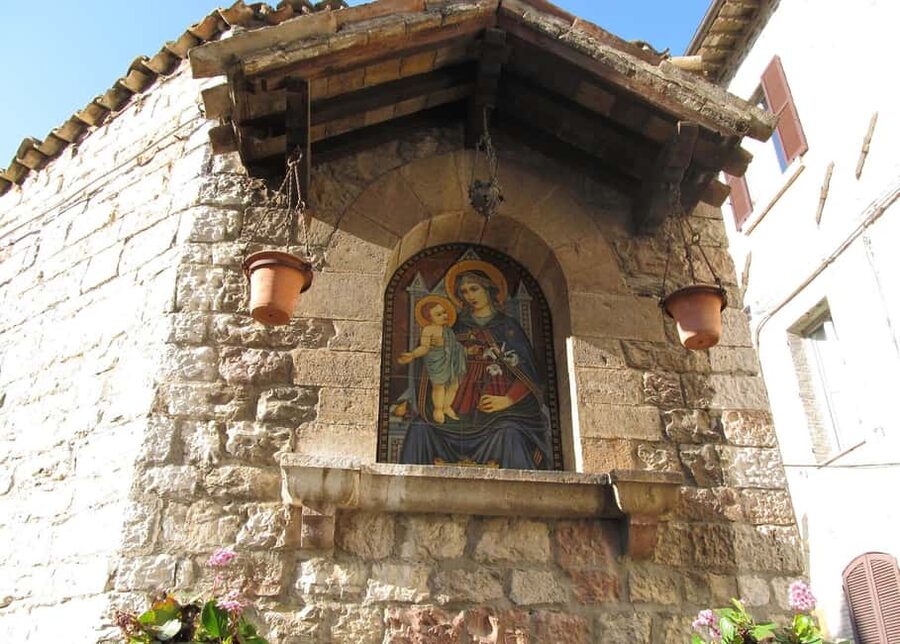
Wear comfortable shoes. You will be walking through historic central Rome, including cobbled streets, and the tour continues in all weather conditions.
Bring water. The instructions also recommend sunscreen, a hat, and an umbrella, depending on conditions. For colder evenings, dress warmly. In warm weather, carry a shoulder covering for church visits.
You need a passport or identity card. The provider also asks for a WhatsApp number so support can contact you after booking. Same-day or overnight reservations can be moved to the following day if seats are unavailable, and a selected time may be rescheduled on the same day for logistical reasons or overbooking. Leave space around this tour rather than booking it back-to-back with another activity.
The experience is not suitable for wheelchair users. The information does not provide details about stair-free access, so anyone with other mobility concerns should ask before booking.
Free cancellation is available up to 24 hours before the tour, and you can reserve now and pay later. Those terms help if your Rome schedule is still shifting, but they do not remove the need to arrive at the correct Campo de’ Fiori meeting point.
Who should book Rome After Dark?
I would choose this tour if you like Rome’s overlooked corners, enjoy a slightly sinister story, and want historical context delivered while you walk. It suits adults, couples, and friends who have already seen the major daytime sights and want a different angle on the city.
It is also a good choice if you prefer real locations to staged haunted entertainment. The tour deals with executions, religious conflict, prison life, torture, poison, and death. The mood is eerie, but the material is rooted in places and historical legends.
I would skip it if you want a relaxed evening stroll, dislike grim subjects, need wheelchair access, or expect a long tour with major interior admissions. At $82, you should want the storytelling itself, not simply a walk through central Rome.
Book it if the idea of hearing Giordano Bruno’s story at Campo de’ Fiori, visiting a church tied to death, and ending at Castel Sant’Angelo sounds more appealing than another standard monument tour. The 4.8 rating from four pieces of feedback, including praise for the guide’s informative and passionate delivery, supports the choice, though the small number of ratings means you should still judge the tour by its theme and price.
FAQ
How long is the Rome After Dark tour?
The tour lasts two hours.
What language is the tour conducted in?
The live tour guide speaks English.
Where does the tour begin?
Meet in the center of Campo de’ Fiori, in front of the Giordano Bruno Monument. The guide will hold a yellow flag.
Where does the tour finish?
The tour returns to Campo de’ Fiori.
Is transportation included?
No. Transportation to and from the meeting point is not included.
Are food and drinks included?
No. Additional food and drinks are not included.
What should I bring?
Bring a passport or identity card. Water, an umbrella, and weather-appropriate clothing are also recommended. Comfortable shoes are important.
Can I join in bad weather?
Yes. The tour continues in all weather conditions.
Is the tour suitable for wheelchair users?
No. The experience is not suitable for wheelchair users.
Newly added around Rome
- Rome Secrets with Dark History and Tasty Bites Tour Experience★ 4.5 · 3 reviews
- Rome After Dark Mysteries Myths and Haunted History★ 5.0 · 14 reviews
- Ghost & Legends in Night Rome Walking Tour★ 5.0 · 36 reviews
- Rome: Private Night Ghost Walking Tour★ 5.0 · 38 reviews
- Haunted Rome: Eternal City Night Walking Tour★ 5.0 · 38 reviews
- Experience Rome in this Mysterious Ghost Tour★ 3.5 · 3 reviews
- Haunted Rome & True Crime: The Cenci Curse Game★ 4.5 · 27 reviews
- Ghosts and Crimes of Rome Night Walk★ 5.0 · 61 reviews
Rome Ghost Tours, compared.
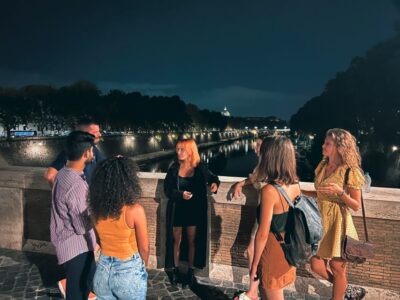
Paranormal Night Walking Tour & Secret Backstreets
Read our review →

Small Group Rome’s Dark Side – Ghosts & Legends Tour
Read our review →
Ghosts, Legends & Mysteries of Rome Tip-Based Walking Tour
Read our review →
Browse the lists this tour appears in